Introduction
Retinoids are vitamin A derivatives used in routines focused on the appearance of texture, tone, and fine lines. Incorporating a retinol product into a regimen, however, often brings up practical questions about placement. Because retinoids are active ingredients, where and when you apply them may affect skin tolerance and visible results.
Following the correct order of retinol in skincare may help you use the ingredient while minimizing common adjustment effects such as dryness, flaking, or superficial redness. Whether you are introducing an over-the-counter retinol serum for the first time or refining an established nighttime routine, understanding product thickness, base formulas, and layering techniques may help your skin adjust more comfortably.
Quick Answer: Apply your retinol during your evening routine on clean, thoroughly dry skin before heavier creams. If your skin tends to be dry or sensitive, apply a lightweight hydrating serum or moisturizer first to make application feel gentler.
Why the Order of Retinol in Skincare Matters
A common routine guideline is to layer products from the thinnest consistency to the thickest. Lightweight, water-based solutions go on first, followed by emulsions, gels, heavier creams, and facial oils.
Applying products out of sequence may affect how they feel and distribute across the skin. If you place a light retinol serum over a rich, occlusive cream, the products may not distribute as evenly. Applying retinol to damp skin may also increase the chance of irritation.
Retinol is commonly used in evening routines because light may affect its stability. Using it in the evening allows you to keep it separate from your morning skincare steps.
| Step Factor | Recommendation | Why It Matters |
|---|---|---|
| Time of Day | Usually evening | Helps limit exposure to daylight |
| Skin State | Completely dry skin | May help limit irritation |
| Layering Order | Thinnest to thickest texture | Supports even application across the skin surface |
| Follow-Up Step | Moisturizer | Helps reduce transepidermal water loss (TEWL) |


Standard Evening Routine: Step-by-Step Layering
For skin that has adjusted to retinol, applying it after cleansing is a straightforward method of application.
- Gentle Cleansing: Wash your face with a mild, non-stripping facial cleanser. Remove makeup, sunscreen, and daily debris using lukewarm water.
- Complete Drying: Gently pat your face with a clean towel and wait until the skin is dry. Damp skin may increase the chance of irritation.
- Retinol Application: Dispense a pea-sized amount of your retinol product. Distribute small dots onto your forehead, cheeks, and chin, then smooth the formula evenly over your face, avoiding the immediate eye area and the corners of the mouth.
- Short Absorption Pause: Pause briefly before applying subsequent layers.
- Hydrating Support: Apply a hydrating serum across the face. For information about hydration-category products, see Hyaluronic Acid 100% Pure. Hyaluronic acid helps attract, bind, and retain water in the outer layers of the skin.
- Moisturizer: Finish with a supportive nighttime cream. This step helps reduce transepidermal water loss (TEWL).
Following these steps may help keep your routine consistent. For additional guidance, see our article on layering multiple serums.
The Buffering and Sandwich Methods for Sensitive Skin
If you are new to retinoids or have dry, reactive skin, applying retinol directly onto bare skin might feel too intense. You do not need to experience flaking or redness to pursue cosmetic improvements. Modifying your application technique may make the routine feel gentler.
The Buffering Method
Buffering involves applying a light hydrating serum or a thin lotion immediately before your retinol. A hydrating base may make application feel gentler.
To use this technique, cleanse your face, apply a hydrating serum, and let it dry completely. Once the surface feels dry to the touch, smooth your pea-sized amount of retinol over the top.
The Sandwich Technique
For skin that requires extra care, the sandwich method adds a layer before and after the retinoid step.
- Cleanse your skin thoroughly and pat dry.
- Apply a thin layer of a basic, non-active moisturizer.
- Wait five to ten minutes until the moisturizer is fully absorbed and dry.
- Apply your pea-sized amount of retinol evenly across the face.
- Wait another few minutes, then apply a second layer of your moisturizer over the top.
This approach may reduce the chance of surface peeling. It may be useful during colder months when low humidity can contribute to dryness.
Key Takeaway: Buffering or sandwiching retinol between layers of moisturizer can make application feel gentler, allowing beginners and reactive skin types to build tolerance more comfortably.
How to Pair Retinol with Other Active Ingredients
Building a cohesive routine requires balancing retinol alongside other skincare essentials. Certain ingredients may fit into the same overall routine, while others are better separated.
Retinol and Vitamin C
Vitamin C helps brighten the look of dullness and uneven tone. It supports the skin's antioxidant defenses. Vitamin C and retinol can be used at different times of day.
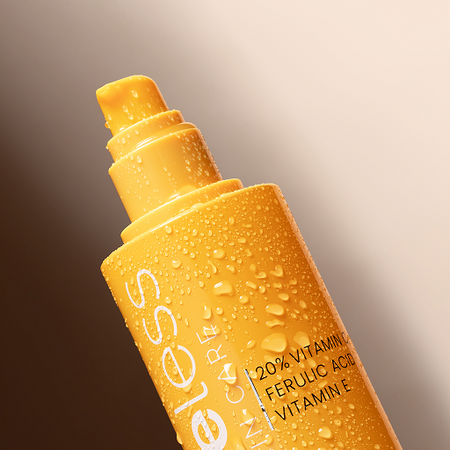
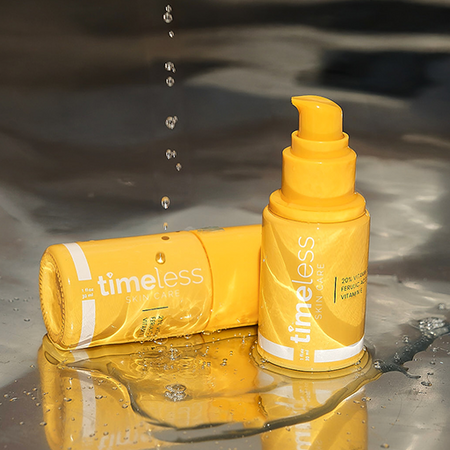
Morning use is the most common recommendation, not the only option, and should always be paired with broad-spectrum sunscreen. Use retinol in the evening. The Vitamin C category includes products such as 20% Vitamin C + E Ferulic Acid Serum. Using these ingredients at different times may make a routine easier to manage.
Retinol and Peptides
Peptides are short chains of amino acids. Peptides may help support the appearance of firmness.
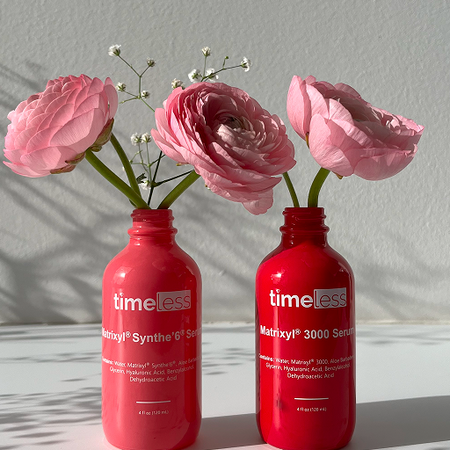
You can layer a peptide serum alongside retinol in the evening. A lighter peptide product can be applied first, followed by retinol and moisturizer. For information about a peptide-category product, see Matrixyl® 3000 Serum.
Retinol and Exfoliating Acids
Alpha hydroxy acids, such as glycolic or lactic acid, and beta hydroxy acids, such as salicylic acid, exfoliate the surface of the skin. Combining chemical exfoliants and retinoids in the same evening session may increase the chance of irritation.
Instead of layering them together, consider cycling your evenings:
- Night 1: Chemical exfoliant, such as an AHA or BHA
- Night 2: Retinol application
- Night 3: Barrier recovery focusing solely on hydration and moisturizers
- Night 4: Repeat the cycle or reintroduce retinol based on skin comfort
Retinol and CoQ10
CoQ10 is a lipid-soluble antioxidant naturally found in skin. It provides antioxidant support as the skin's natural CoQ10 levels decline with age. It helps improve the appearance of fine lines and supports firmer-looking skin.
CoQ10 is generally used once daily and may fit in either morning or evening routines. If you have vitiligo, check with your dermatologist before using a CoQ10 product. For information about a product in the CoQ10 category, see this CoQ10 product.
Managing the Adjustment Phase and Frequency
The adjustment period for vitamin A products can involve mild tightness, superficial flaking, or localized sensitivity.
Adjusting frequency may help you navigate this transitional period. Rushing into daily use may make it harder to continue using retinoids comfortably.
| Experience Level | Application Schedule | Adjustment Strategy |
|---|---|---|
| Beginner | 1 night per week for the first 2 weeks | Assess skin comfort before increasing frequency |
| Intermediate | 2 to 3 nights per week on non-consecutive days | Maintain this cadence for 4 to 6 weeks |
| Advanced | Every other night or nightly | Only progress if skin remains comfortable |
Individual reactions vary, and anyone with a known sensitivity or diagnosed skin condition should check with a dermatologist before starting an active regimen. If your skin feels taut, tender, or visibly irritated, pause active application for several days. Focus on gentle cleansing and rich moisturizers that help reduce moisture loss until your skin feels comfortable again.
Realistic Timelines and Expectations for Retinoids
Patience is useful when using topical retinoids. Cosmetic improvements in skin texture and tone can be gradual and vary from person to person.
Early use may focus on helping your skin adjust rather than producing an obvious visible change. With consistent use, some people notice changes in the appearance of surface smoothness and radiance, while changes in the look of uneven tone and fine lines may take longer.
A single product is unlikely to produce overnight results. Consistent use with gentle supporting products may be preferable to using high strengths inconsistently.
Bottom Line: Always finish your morning routine with a broad-spectrum sunscreen with SPF 30 or higher. Retinol can increase skin sensitivity to sunlight, making daily UV protection essential.
Frequently Asked Questions
Can I apply retinol immediately after washing my face?
It may be helpful to wait several minutes until your skin is completely dry after cleansing. Allowing the skin surface to dry thoroughly may reduce the likelihood of localized stinging or flaking.
Should I apply my eye cream before or after retinol?
You may apply eye cream before retinol if that fits your routine. Avoid applying facial retinol to the immediate eye area.
Can I use retinol every single night?
Some people with resilient skin may eventually tolerate nightly application, but it is not mandatory for visible results. Using retinol three to four nights per week consistently may provide cosmetic benefits. Prioritize skin comfort over frequency, and reduce weekly usage if persistent dryness appears.
What should I do if my skin starts peeling?
If you notice peeling or flaking, pause your retinol use for a few days. Simplify your routine to a gentle cleanser, a hydrating serum that helps support hydration in the upper layers of the epidermis, and a rich moisturizer that helps reduce transepidermal water loss (TEWL). Once the peeling resolves, reintroduce retinol at a lower frequency using the buffering method.