Introduction
Building a skincare routine is only half the battle. Knowing how to arrange your steps helps you use formulas in a practical order. If you apply a rich cream before a light water-based serum, the layers may not sit comfortably together. Understanding the proper order of face skincare products can help you use each product without wasting formula or causing unnecessary irritation.
Layering follows straightforward physical principles. Move from the lightest textures to the richest ones, finishing with targeted protection during the day or moisture at night. Whether you prefer a streamlined three-step routine or a multi-step regimen with multiple active ingredients, following a consistent sequence can help keep your routine organized and comfortable. A skincare routine can be adjusted based on your preferred products and steps.
Quick Answer: Apply your skincare products from thinnest to thickest consistency. Start with cleansing, move to liquid toners or watery serums, apply heavier treatments and moisturizers, and always finish your morning routine with a broad-spectrum sunscreen.
Core Rules for Skincare Product Layering
Product layering relies on formulation weight, base chemistry, and functional roles. When you understand these concepts, arranging a new product into your regimen becomes simpler. Ingredient information can be found in our ingredient glossary.
Thin to Thick Viscosity
The most reliable rule of thumb in skincare is applying products from lowest to highest viscosity. Watery liquids are generally lighter than thick oils or dense creams. Applying a thick oil or dense cream first may make it harder for lighter solutions to spread evenly across the skin.
Begin with watery solutions such as liquid toners and light serums. Follow with medium-weight gels, fluid lotions, rich barrier creams, and face oils.
Water-Based Before Oil-Based
Water and oil do not naturally mix. Water-based formulas are generally applied before oil-based products, which provide emollient smoothing and occlusive qualities. Applying water-based serums over facial oils may cause the serum to bead up and roll off rather than settle evenly on the skin's surface.
Generally apply water-soluble actives before lipid-rich lotions, facial oils, and oil-based balms.
Functional Placement: Protection vs. Restoration
Your morning and evening routines serve two distinct functional goals:
- Morning routines focus on daytime care. Your steps should support the skin's antioxidant defenses and conclude with broad-spectrum sun protection against daily UV exposure.
- Evening routines focus on surface care and moisture. Nighttime is when you cleanse away daytime debris, apply targeted treatments, and support hydration.


The Correct Morning Skincare Order
A morning routine prepares your complexion for daily environmental contact. It should feel weightless under makeup while keeping the skin hydrated and protected from the elements.
- Water-Based Cleanser: Cleansing in the morning removes sweat, dead skin cells, and excess sebum that accumulate overnight. A gentle splash of lukewarm water or a mild foaming wash cleanses the surface without stripping essential surface lipids.
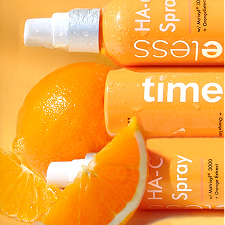
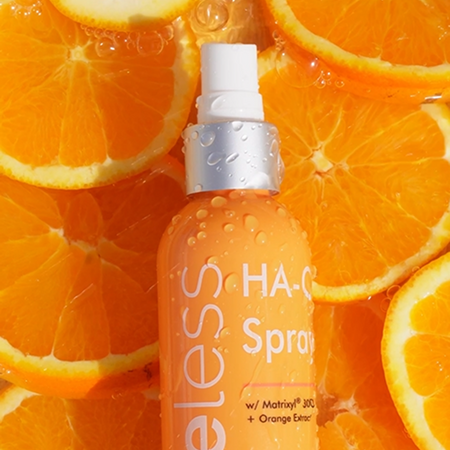
- Hydrating Toner or Mist: A light mist follows cleansing as a lightweight hydrating step.
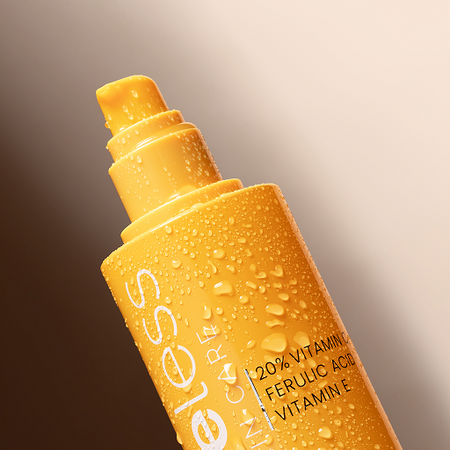
- Antioxidant Serum: Morning use is common for targeted antioxidant serums. For example, a formulation with vitamin C helps defend against oxidative stress caused by environmental factors such as UV exposure and pollution. Vitamin C also helps brighten the look of dullness and uneven tone.
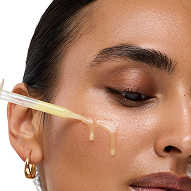
- Hydrating Serum: Hyaluronic acid helps attract, bind, and retain water in the outer layers of the skin. Applying humectants to slightly damp skin helps support hydration in the upper layers of the epidermis.
- Lightweight Moisturizer or Eye Cream: A gentle daytime lotion or targeted eye formulation helps reduce transepidermal water loss (TEWL), the water that evaporates from the skin's surface.
- Broad-Spectrum Sunscreen: Sunscreen is the mandatory final step of every morning routine. Apply a generous layer of broad-spectrum SPF 30 or higher across your face and neck at least fifteen minutes before sun exposure.
Key Takeaway: Never layer any skincare treatment over your sunscreen. Sunscreen forms a protective surface film that must remain undisturbed to maintain proper UV coverage.
The Correct Evening Skincare Order
Your nighttime regimen allows for richer textures and targeted treatments in a separate routine from daytime sun protection.
| Step Number | Routine Step | Primary Function |
|---|---|---|
| Step 1 | Oil-Based Cleanser / Makeup Remover | Dissolves sunscreen, makeup, and excess oil |
| Step 2 | Gentle Water-Based Cleanser | Clears residual dirt and cleanses skin surface |
| Step 3 | Exfoliant or Clarifying Toner (2 to 3 times weekly) | Smooths surface texture and clears pores |
| Step 4 | Targeted Treatment Serums | Provides targeted cosmetic care for firmness and tone |
| Step 5 | Night Cream / Moisturizer | Helps reduce moisture loss throughout the night |
| Step 6 | Occlusive Face Oil (Optional) | Softens dry patches and the skin's surface |
Step 1: Double Cleansing
If you wear long-wearing makeup or water-resistant sunscreen, double cleansing provides thorough cleansing. Begin with a cleansing oil or balm massaged onto dry skin to dissolve surface lipids. Follow with a water-based gel or cream cleanser to wash away water-soluble impurities.
Step 2: Chemical Exfoliation
If you use chemical exfoliants like glycolic, lactic, or salicylic acid, apply them directly to clean, completely dry skin. Limit chemical exfoliants to two or three nights per week to support the skin barrier. Avoid applying potent exfoliating acids on the same evenings you use retinoids.
Step 3: Targeted Treatment Serums
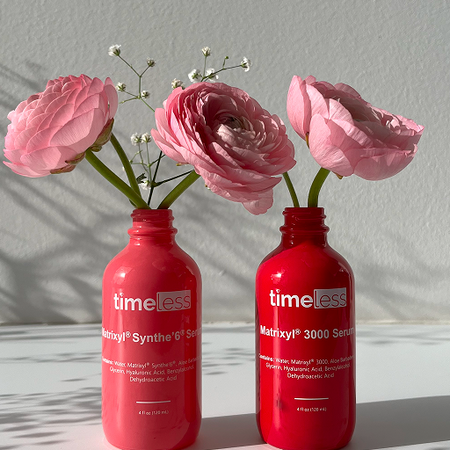
Nighttime can be suitable for peptides and specialized antioxidants. Peptide serums may help support the appearance of firmness while smoothing the look of fine lines.
CoQ10 is a lipid-soluble antioxidant naturally found in skin. Ubiquinone is the INCI name for CoQ10. CoQ10 provides antioxidant support as the skin's natural CoQ10 levels decline with age. It helps improve the appearance of fine lines and supports firmer-looking skin. If you have vitiligo, check with your dermatologist before using a CoQ10 product.
Step 4: Moisturizer and Barrier Creams
Follow watery serums with a moisturizer. A moisturizer helps reduce moisture loss throughout the night and leaves the skin feeling soft and supple.
How to Layer Multiple Serums and Active Ingredients
Many skincare routines feature more than one serum. Layering active ingredients requires care to avoid skin irritation and pilling. For additional guidance, see How to Layer Multiple Serums.
Layering Multiple Serums
When combining several serums in a single routine, follow these practical steps:
- Check the pH and vehicle: Acidic serums generally go on first after cleansing. Neutral hydrators follow.
- Move from thin to thick: Apply watery formulas before viscous gels.
- Allow brief absorption: Give each serum thirty to sixty seconds to settle before applying the next layer.
- Limit total layers: Using two to three targeted serums per routine can be sufficient. Layering too many products at once increases the risk of product buildup and clogging.
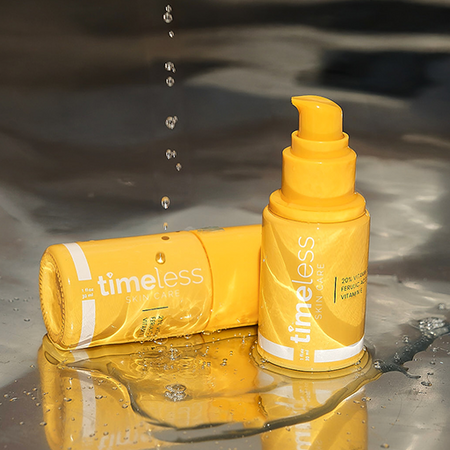
For a focused routine, you can navigate between single-focus products such as 20% Vitamin C + E Ferulic Acid Serum in the vitamin C category, Coenzyme Q10 Serum in the antioxidant category, or Hyaluronic Acid 100% Pure in the hydration category.
Ingredient Compatibility Guidelines
Certain active ingredients work well in the same routine, while others are best separated between morning and evening:
- Hyaluronic Acid with Other Actives: Hyaluronic acid helps support hydration in the upper layers of the epidermis. It can be used in routines with other active ingredients.
- Vitamin C and Sunscreen: Morning use should always be paired with broad-spectrum sunscreen.
- Retinoids and Peptides: Peptides may help support the appearance of firmness. They can be used in an evening routine that includes retinoids.
- Exfoliating Acids and Retinoids: Alternating these active ingredients on different nights helps keep the skin feeling comfortable and avoids over-exfoliation.
Note: One cosmetic ingredient does not enhance or alter another ingredient's performance on the skin. Layering is simply about tolerance, physical absorption, and surface comfort.
Realistic Expectations for Skincare Results
Cosmetic skin improvements require consistency, proper application order, and patience.
Individual responses vary based on skin type, genetics, environmental factors, and baseline barrier health. Hyaluronic acid helps improve the appearance of dehydration lines. Visible improvements in skin tone, fine lines, and elasticity vary with consistent use.
Do not rush your routine by piling on high concentrations all at once.
Frequently Asked Questions
How long should I wait between applying skincare steps?
Most products do not require extended waiting periods. You can apply your next step as soon as the previous layer feels absorbed and no longer tacky, which usually takes thirty to sixty seconds. The only exceptions are chemical exfoliants, which benefit from a minute or two of settling, and broad-spectrum sunscreen, which needs fifteen minutes to dry down before direct sun exposure.
Should I apply serums to damp or dry skin?
Hydrating serums containing humectants like hyaluronic acid or glycerin can be applied to slightly damp skin. Hyaluronic acid helps attract, bind, and retain water in the outer layers of the skin. Potentially irritating ingredients like exfoliating acids and retinoids are generally applied to completely dry skin to reduce rapid absorption that can trigger sensitivity.
Where does eye cream go in the application sequence?
Eye cream is generally applied before your facial moisturizer and after your lightweight serums. Applying eye cream at this point allows targeted application before heavier face creams.
What should I do if my skincare products start pilling?
Pilling occurs when product layers fail to absorb and ball up on the skin surface. This commonly happens when you apply oil before water, use too much product, layer incompatible silicones, or do not allow sufficient time for viscous serums to set. To prevent pilling, apply products from thinnest to thickest, reduce the amount of product used, and pat layers gently into the skin instead of rubbing vigorously.