Introduction
Knowing the correct order for a skincare routine can make your daily products easier to organize. You might own high-quality serums, rich moisturizers, and targeted treatments, but applying them in the wrong sequence can limit their contact with your skin.
Skincare layering follows basic texture and formula principles. Lighter, water-based formulas are generally applied first, while heavier creams, plant butters, and oils are applied later. A moisturizer helps reduce moisture loss throughout the day or night. When you understand how different product textures interact, building a routine becomes straightforward.
Whether you prefer a minimal three-step system or a dedicated multi-step regimen, the fundamental rules remain consistent. This guide walks you through morning and evening application sequences, explains why product weight matters, and clarifies how to organize your daily skincare steps for a consistent routine. Our skincare quiz can also help organize your routine.
Quick Answer: Skincare products should go on from thinnest consistency to thickest consistency. Start with a gentle cleanser, apply water-based toners and serums next, follow with your moisturizer, and finish your morning routine with a broad-spectrum sunscreen.
The Core Rule of Skincare Layering: Consistency and Base
The most reliable guideline for applying skincare is to work from the thinnest texture to the thickest texture. Water-based liquids are generally applied before dense creams and oils.
If you apply a thick, lipid-rich moisturizer first and then layer a watery serum over it, the serum may not spread evenly across the skin surface and can pool or bead.
| Step Category | Primary Formula Base | Common Examples | Primary Purpose |
|---|---|---|---|
| Cleanse | Water or Oil | Gel cleansers, foaming washes, cleansing balms | Removes surface debris, excess sebum, and makeup |
| Prep | Water | Hydrating toners, balancing essences | Balances surface pH and provides lightweight hydration |
| Treat | Water or Light Anhydrous | Antioxidant serums, peptide formulas, exfoliant liquids | Delivers concentrated cosmetic ingredients to the skin surface |
| Moisturize | Emulsion or Oil | Creams, lotions, face oils | Helps reduce moisture loss and softens surface texture |
| Protect (AM) | Lotion or Fluid | Broad-spectrum sunscreen (SPF 30+) | Shields surface skin from ultraviolet radiation |
Water-Based Products First
Water-based products include liquid toners, light essences, and water-soluble serums. They often dry down quickly without leaving a greasy residue. Applying them after cleansing places them earlier in the routine.
Oil-Based and Emollient Formulas Second
Moisturizing lotions, rich facial creams, and facial oils contain lipids, waxes, and occlusive agents. Their main function is emollient and protective. A well-formulated cream helps reduce transepidermal water loss (TEWL). Applying these products toward the end of your routine helps reduce moisture loss.


The Morning Skincare Routine: Step-by-Step
Morning skincare focuses on daily defense and hydration. During daylight hours, your skin faces environmental stressors such as UV rays, dry air, and airborne particulate matter. Your morning sequence should prepare your complexion for these external factors while keeping your skin comfortable.
- Gentle cleanser.
- Hydrating toner or essence.
- Antioxidant or vitamin serum.
- Eye cream.
- Daily moisturizer.
- Broad-spectrum sunscreen.
Step 1: Cleansing
A morning cleanse removes the sweat, natural oils, and dead skin cells that accumulate on your face overnight. It also clears away any leftover residue from your evening creams.
A mild, non-stripping water-based gel or cream cleanser is a common choice. If your skin feels exceptionally dry or tight upon waking, a thorough rinse with lukewarm water may suffice. Avoid harsh, foaming surfactants that can leave your skin feeling dry before you begin your day.
Step 2: Hydrating Toner or Mist
Toners are optional, but a well-formulated hydrating toner restores immediate moisture to surface skin after washing. Look for formulas featuring gentle humectants. Applying a liquid toner helps attract, bind, and retain water in the outer layers of the skin.
Pour a few drops into your palms and pat gently across your face and neck. Avoid high-alcohol astringents, which can cause surface dryness and unwanted redness.
Step 3: Targeted Serums and Antioxidants
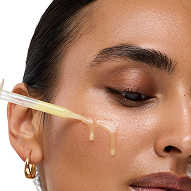
Serums are lightweight fluids designed to supply specific cosmetic ingredients. Morning use is the most common recommendation for an antioxidant serum. An antioxidant helps defend against oxidative stress caused by environmental factors such as UV exposure and pollution. When used in the morning, pair an antioxidant serum with broad-spectrum sunscreen.
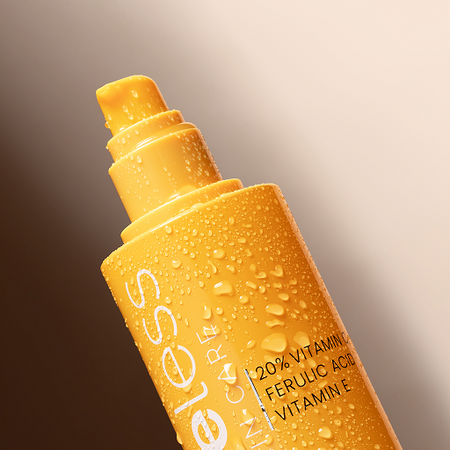
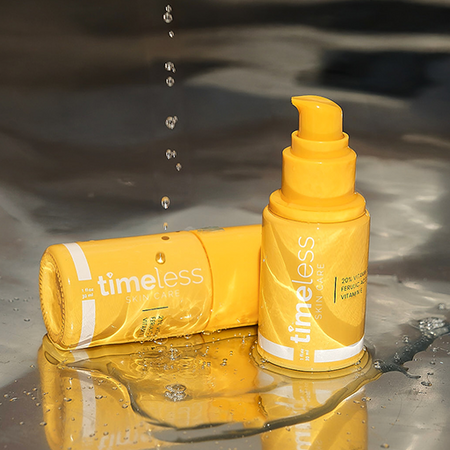
Timeless Skin Care features the 20% Vitamin C + E Ferulic Acid Serum within its vitamin C line.
Vitamin C is among the most popular morning ingredients. L-ascorbic acid helps brighten the look of dullness and uneven tone. It supports the skin's antioxidant defenses. L-ascorbic acid is sensitive to air, light and heat. Vitamin E and ferulic acid may support formulation stability.
If you choose to use multiple serums in the morning, layer them from the thinnest liquid to the most viscous gel. For instance, apply a watery vitamin C serum first, let it absorb for a moment, and follow with a slightly thicker hydrating serum. For more guidance, see how to layer multiple serums.
Step 4: Eye Cream
The skin surrounding the ocular area is thinner and possesses fewer sebaceous glands than the rest of the face. An eye cream provides targeted moisture without migrating into the eyes. Dab a small amount around the orbital bone using your ring finger, gently tapping from the outer corner inward.
Timeless Skin Care offers Dark Circle Peptide Complex Eye Cream in its eye care selection.
For those looking to target the appearance of darkness and puffiness around the eye contour, an eye cream can be included in a skincare routine.
Step 5: Moisturizer
Your morning moisturizer helps soften the skin and supports everyday comfort. Depending on your personal oil production, this can be a light gel-cream or a richer lotion. A quality moisturizer helps reduce moisture loss. Smooth a nickel-sized amount over your face and neck, allowing it to settle before reaching for your sun protection.
Step 6: Broad-Spectrum Sunscreen
Sunscreen is the non-negotiable final step of every morning skincare routine. No skincare regimen is complete without daily ultraviolet protection. UV radiation reaches the skin even on overcast days and passes through standard window glass.
Choose a broad-spectrum formula with an SPF rating of 30 or higher. Apply an even layer across all exposed areas, including your ears, neck, and the backs of your hands. Sunscreen should always sit as the final skincare layer because it works by forming an even protective film across the skin surface. Adding other skincare products on top can dilute the formula or disrupt this protective shield.
Key Takeaway: Let your moisturizer absorb fully before applying sunscreen. This can help keep the sunscreen from sliding around and support an even layer across the skin.
The Evening Skincare Routine: Step-by-Step
Nighttime offers a window for hydration and targeted surface treatments. Your evening steps focus on thorough cleansing, gentle exfoliation or peptide application, and richer moisture replenishment.
- First cleanse for makeup and sunscreen removal.
- Second cleanse with a water-based wash.
- Exfoliant or clarifying treatment two to three times weekly.
- Hydrating and peptide serums.
- Nighttime moisturizer or facial oil.
Step 1: First Cleanse
Throughout the day, long-wearing makeup, water-resistant sunscreen, and airborne pollutants accumulate on your face. A single water-based cleanser may not break down these oil-soluble materials efficiently.
A first cleanse uses a cleansing oil, balm, or micellar water to dissolve lipid-soluble residues without aggressive scrubbing. Massage the cleansing oil or balm onto dry skin for sixty seconds, focusing on areas with stubborn makeup, then emulsify with warm water and rinse thoroughly.
Step 2: Second Cleanse
Follow your oil cleanse with a gentle water-based face wash. This second step removes any lingering residue from the first cleanse, along with water-soluble sweat and surface debris. Double cleansing can leave the surface ready for nighttime serums and creams.
Step 3: Exfoliators or Retinoids on Alternating Nights
Nighttime is an appropriate window for chemical exfoliants, such as alpha hydroxy acids (AHAs) or beta hydroxy acids (BHAs), as well as retinoids.
- Chemical Exfoliants: AHAs like glycolic or lactic acid can help smooth rough texture. BHAs like salicylic acid are oil-soluble and help clear pore congestion. Limit chemical exfoliation to two or three evenings per week to help avoid excessive dryness.
- Retinoids: Vitamin A derivatives support smoother surface texture and help improve the appearance of fine lines. Retinoids can cause dryness when first introduced, so apply a pea-sized amount to completely dry skin on nights when you are not using chemical exfoliants.
Step 4: Hydrating and Restorative Serums
After your treatment step has absorbed, introduce hydrating and peptide-rich serums.
Humectant serums containing sodium hyaluronate, the sodium salt of hyaluronic acid, fit this step. For those seeking a hyaluronic acid product, Timeless Skin Care provides the Hyaluronic Acid 100% Pure in its hydration line.
Hyaluronic acid helps support hydration in the upper layers of the epidermis and helps improve the appearance of dehydration lines.
Peptides are ingredients used in cosmetic formulations. Applying a peptide serum at night may help support the appearance of firmness.
CoQ10 is generally used once daily and can be integrated into your evening routine. Ubiquinone provides antioxidant support as the skin's natural CoQ10 levels decline with age. It supports firmer-looking skin. If you have vitiligo, check with your dermatologist before using a CoQ10 product. Timeless Skin Care discusses this ingredient in Coenzyme Q10: What Is It, How to Use It, and When to Use It.
Step 5: Evening Moisturizer or Facial Oil
Night creams are often formulated with richer emollients than daytime lotions because you do not need to worry about daytime shine or layering under makeup. An evening cream helps reduce moisture loss while you sleep.
If you have very dry skin, you can layer two to three drops of a lightweight facial oil over or mixed into your evening cream. The plant oils add an extra cushion of emollients, helping the skin feel more comfortable throughout the night.
How to Layer Multiple Serums Without Pilling
Product pilling occurs when skincare layers fail to absorb and instead ball up into small flakes on the surface of your face. This frustrating issue typically stems from applying formulas too quickly, using incompatible bases, or layering too many thick products at once.
To reduce pilling from your serum collection, follow these simple principles:
- Watch the Base Formulation: Water-based serums should precede anhydrous, or water-free, formulas, silicone-heavy suspensions, or face oils. Applying an aqueous serum over a silicone base can cause pilling.
- Match Textures: Lightweight humectant liquids should go on before thick, viscous gels. This helps keep layers even.
- Limit Active Treatments: Using multiple serums in one routine can increase the chance of surface congestion or flaking. Pick one or two targeted formulas per routine and alternate them between morning and evening.
- Allow Brief Rest Intervals: You do not need to wait ten minutes between steps. Giving each serum thirty to sixty seconds to settle can help prevent formulas from dragging across each other.
| Priority Order | Formula Type | Viscosity | Key Active Examples |
|---|---|---|---|
| First Treatment | Water-soluble liquid | Very thin, watery | L-ascorbic acid, liquid toners |
| Second Treatment | Aqueous gel | Medium, fluid gel | Hyaluronic acid, peptide blends, vitamin B5 |
| Third Treatment | Anhydrous or suspension | Dense liquid or light oil | Squalane blends, oil-based ubiquinone |
Setting Realistic Expectations for Skincare Results
A properly ordered skincare routine establishes the foundation for healthy-looking skin, but cosmetic progress requires patience and regular application. There are no instant fixes in skincare, and claims of overnight skin transformation are not realistic.
- Hydration and Surface Glow: Humectants and emollients may improve surface moisture and soften dry patches.
- Texture Refinement: Gentle exfoliation and consistent hydration may help smooth rough surface texture.
- Brightness and Even Tone: Vitamin C helps brighten the look of dullness and uneven tone.
- Firmness and Fine Lines: Peptides may help support the appearance of firmness. CoQ10 helps improve the appearance of fine lines. CoQ10 supports firmer-looking skin.
Individual reactions vary across different skin profiles. Factors such as climate, genetics, hormone fluctuations, and diet all influence your skin's response to topical products. If you have a diagnosed skin condition or a history of extreme sensitivities, check with your dermatologist before introducing new active formulas to your daily regimen.
Note: Consistency matters more than complexity. A basic, well-ordered routine used regularly may be easier to maintain than an elaborate ten-step regimen used sporadically.
Skincare Routine Order FAQs
Does eye cream go before or after moisturizer?
Eye cream is typically applied before your general face moisturizer. Because the skin around the eyes is thin and delicate, eye formulas are designed to be lightweight and fast-absorbing. Applying your eye cream first allows those specialized ingredients to make direct contact with the orbital skin. You can then apply your standard facial cream across the rest of your cheeks, forehead, and jawline without heavily overlapping the eye area.
How long should I wait between applying skincare steps?
For most daily products, you only need to wait long enough for the previous layer to feel absorbed and no longer wet to the touch, which usually takes thirty to sixty seconds. The main exception is your morning sunscreen. Let your daily moisturizer dry down completely for two to three minutes before applying broad-spectrum sunscreen over it. This helps your sun protection form an undisturbed, uniform layer across your face.
Can I use vitamin C and hyaluronic acid in the same routine?
Yes, vitamin C and hyaluronic acid can be used in the same morning or evening routine. Vitamin C helps defend against oxidative stress caused by environmental factors such as UV exposure and pollution, while hyaluronic acid helps attract, bind, and retain water in the outer layers of the skin. Apply your thin, water-based vitamin C serum first to clean skin, allow it to absorb for a minute, and then apply your hyaluronic acid serum. If you use them in the morning, finish with broad-spectrum sunscreen. See Can You Use Hyaluronic Acid and Vitamin C Together? for related guidance.
What should I do if my skincare products start pilling?
Skincare pilling usually happens when you layer silicone-based formulas over water-based products without adequate drying time, or when you use too much product in a single step. To stop pilling, reduce the amount of product you apply, ensure each layer absorbs before adding the next, and avoid rubbing your face aggressively. Patting serums and lotions gently into the skin rather than rubbing them in circular motions also helps maintain smooth, even layers.