Introduction
Applying skincare formulas in a deliberate sequence can help organize your routine and support a comfortable finish. When formulas are layered haphazardly, heavier creams may make it harder for lighter liquids to spread evenly across the surface of your skin.
The primary logic behind skincare application rests on texture, viscosity, and solubility. By understanding how fluid weight and formulation chemistry interact with your epidermal surface, you can construct an effective morning and evening regimen tailored to your cosmetic goals.
Quick Answer: A common skincare layering rule is to apply formulas from thinnest to thickest consistency, starting with water-based liquids and finishing with heavier creams, facial oils, and daytime broad-spectrum sunscreen.
Timeless Skin Care was founded in 2009 by Veronica Pedersen with a focus on accessible, active ingredient formulations. This guide walks you through the step-by-step logic of product order, helping you get the most out of every step in your daily routine.
The Core Principles of Product Layering
To understand why sequence matters, it helps to examine how different topical vehicles interact with the outermost layer of your skin, known as the stratum corneum.
Texture and Viscosity: Thinnest to Thickest
The most reliable rule in skincare is layering from the lowest viscosity to the highest viscosity. Lightweight, watery solutions spread rapidly across the surface. If you apply a dense, buttery cream first, it may make it harder for lighter, water-soluble solutions to spread evenly across the skin.
A standard texture hierarchy follows this progression:
- Water-like liquids such as toners, essences, and watery botanical waters
- Lightweight water-based serums
- Moderately viscous serums and gel formulations
- Emulsions and light lotion hydrators
- Rich creams and balms
- Occlusive facial oils
- Daytime broad-spectrum mineral or chemical sunscreen
Water-Based Before Oil-Based
Chemistry dictates that water and oil repel one another unless emulsified. Applying a water-soluble serum over a facial oil can cause the water-based product to bead up on top of the lipid layer rather than spread evenly across the skin. For this reason, water-dominant hydrators and antioxidant liquids should generally precede anhydrous oils and heavy lipid creams.
The Role of Humectants and Occlusives
Understanding ingredient categories also clarifies their ideal position in your routine.
Humectants, such as hyaluronic acid and glycerin, attract water. Hyaluronic acid helps attract, bind, and retain water in the outer layers of the skin. It helps support hydration in the upper layers of the epidermis and helps improve the appearance of dehydration lines. Hyaluronic acid is a humectant, not a moisturizer.
Moisturizers and occlusives, such as squalane, ceramides, and botanical butters, can follow humectants. A moisturizer helps reduce transepidermal water loss (TEWL), the water that evaporates from the skin's surface. Following a humectant with an emollient or occlusive cream helps reduce moisture loss throughout the day or night.
| Product Type | Primary Function | Ideal Placement | Common Ingredients |
|---|---|---|---|
| Watery Toners & Mists | Adds light hydration | Immediately after cleansing | Water, hydrosols, glycerin |
| Active Serums | Applies targeted cosmetic ingredients | After toner, before moisturizer | L-ascorbic acid, peptides, CoQ10 |
| Hydrating Serums | Adds a hydrating step | After active serums or mixed with them | Sodium hyaluronate, Vitamin B5 |
| Emulsions & Creams | Adds moisture and emollience | After water-based serums | Ceramides, fatty acids, plant butters |
| Facial Oils | Imparts rich emollience to dry complexions | Over moisturizer or as final night step | Squalane, argan oil, jojoba oil |
| Sunscreen | Provides broad-spectrum sun protection | Final step of daytime routine | Zinc oxide, avobenzone, octisalate |


The Morning Application Sequence
Daytime skincare focuses on antioxidant support and broad-spectrum sun protection. During daylight hours, your skin encounters ultraviolet radiation, airborne pollutants, and shifting climate conditions.
Key Takeaway: Your daytime regimen should pair topical antioxidant support with daily broad-spectrum sun protection.
Step 1: Cleansing
A gentle morning cleanse washes away overnight sebum, residual evening treatments, and perspiration. Dry skin types may prefer a lukewarm water rinse or a non-foaming cleansing lotion. Oily and combination skin types generally benefit from a mild gel cleanser that refreshes the surface without stripping essential natural lipids.
Step 2: Hydrating Toner or Essence
An alcohol-free toner rebalances surface moisture after washing. Applying a hydrating mist or liquid essence leaves the skin slightly damp, which provides an optimal base for water-binding humectants.
Step 3: Daytime Antioxidant Serums
Antioxidants belong early in the morning sequence so they can sit directly on the skin surface. An antioxidant serum helps defend against oxidative stress caused by environmental factors such as UV exposure and pollution.
Vitamin C is among the most popular morning actives, but morning use is not the only option. In topical skincare, L-ascorbic acid is the most researched form of vitamin C. It helps brighten the look of dullness and uneven tone while it supports the skin's antioxidant defenses. L-ascorbic acid is used in an acidic formulation and is sensitive to air, light, and heat. It is often applied to clean, dry or slightly toned skin before heavier hydrators. If you use vitamin C in the morning, pair it with broad-spectrum sunscreen.
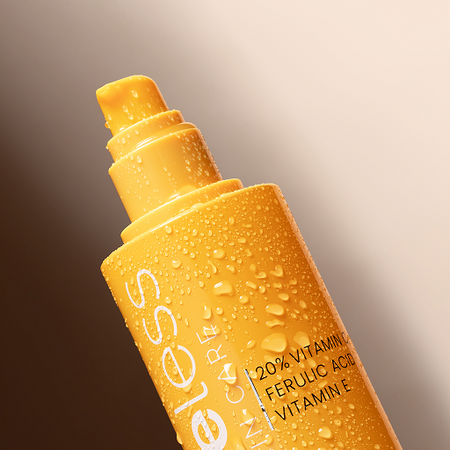
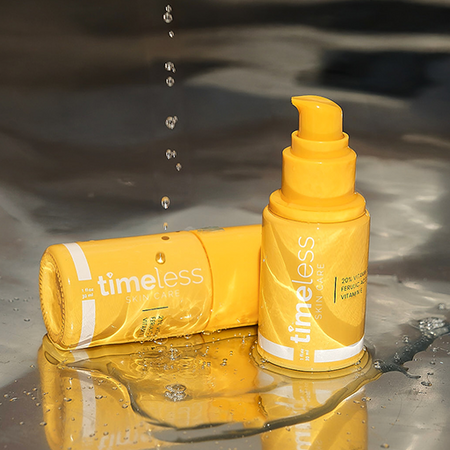
Our vitamin C collection includes the 20% Vitamin C + E Ferulic Acid Serum, a vitamin C serum.
Another valuable morning antioxidant is Coenzyme Q10 (ubiquinone). CoQ10 is a lipid-soluble antioxidant naturally found in skin. It provides antioxidant support as the skin's natural CoQ10 levels decline with age. It helps improve the appearance of fine lines and supports firmer-looking skin. CoQ10 is generally used once daily. If you have vitiligo, check with your dermatologist before using a CoQ10 product.
Our antioxidant offerings include the Coenzyme Q10 Serum, a CoQ10 serum.
Step 4: Eye Cream
If an eye treatment is part of your daily routine, apply it before facial moisturizers. Because the skin surrounding the orbital bone is delicate, pat a small quantity gently using your ring finger. Using a dedicated eye product helps smooth the appearance of the eye contour without migrating into the eyes.
Step 5: Lightweight Moisturizer
Select a daily moisturizer suited to your natural oil production. Gel-creams work nicely for oilier skin, while richer lotions accommodate dry skin. The moisturizer smooths the surface and helps reduce moisture loss as you go about your day.
Step 6: Broad-Spectrum Sunscreen
Sunscreen is the mandatory final step of every morning skincare regimen. Apply a generous amount of broad-spectrum sunscreen with an SPF rating of 30 or higher to your face, neck, and ears at least 15 minutes before heading outdoors. Sunscreen forms an external protective film on the skin surface. Applying other serums or creams over your sunscreen can disrupt this uniform layer and weaken UV protection.
The Evening Application Sequence
Nighttime is an opportunity for rest, hydration, and targeted cosmetic ingredients that address visible signs of aging or uneven texture.
Step 1: Double Cleansing
If you wear makeup or daytime water-resistant sunscreen, a two-step evening cleanse can help remove it thoroughly.
- Begin with an oil-based cleansing balm or micellar fluid on dry skin to dissolve cosmetic pigments and surface oils.
- Follow with a gentle, water-based foaming or gel cleanser to sweep away remaining residue and leave the surface clean.
Step 2: Chemical Exfoliation (2 to 3 Times Weekly)
Exfoliating acids such as glycolic acid, lactic acid, or salicylic acid remove dead surface skin cell buildup. Regular exfoliation helps refine visible skin texture and allows subsequent serums to spread smoothly across the epidermis. Because frequent exfoliation can compromise surface comfort, limit acid use to two or three evenings per week.
Step 3: Targeted Treatment Serums and Peptides
Evenings are a good time for layering peptide serums or retinoid formulations. In topical skincare, a peptide formulation may help support the appearance of firmness.
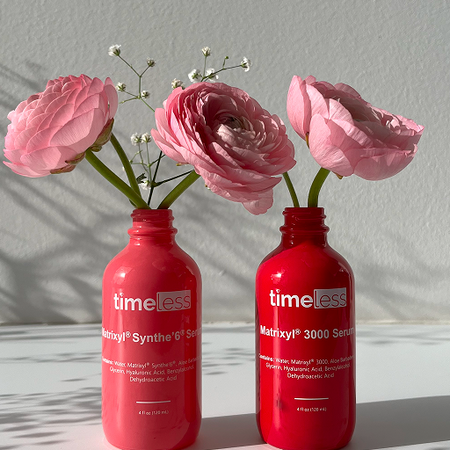
Our peptide range includes the Matrixyl® 3000 Serum, a peptide serum.
If you also use a vitamin B5 formulation, it can follow your other treatment serums. Vitamin B5, often formulated as calcium pantothenate, supports the skin barrier and helps the skin retain moisture. It helps the skin feel more comfortable.
Step 4: Night Moisturizer
Apply a night moisturizer across the face, neck, and upper chest. A night moisturizer helps reduce transepidermal water loss (TEWL), the water that evaporates from the skin's surface during sleep.
Step 5: Facial Oils (Optional)
If your skin feels dry, tight, or parched, applying two to three drops of a facial oil over your night cream can add an extra layer of comfort. Squalane or argan oil can add comfort in arid or heavily air-conditioned indoor environments.
Navigating Active Ingredients and Layering Compatibility
Combining multiple concentrated ingredients requires attention to formulation styles, pH values, and your skin's tolerance.
Working with Multiple Serums
You can layer more than one serum in a single routine if your skin handles multiple steps comfortably. Follow the thinnest-to-thickest rule among your serums:
- Apply lightweight, acidic water-based serums first, such as L-ascorbic acid.
- Follow with medium-viscosity humectant solutions, such as hyaluronic acid or vitamin B5.
- Finish with lipid-rich or milky serums, such as peptide emulsions or CoQ10 formulas.
Allow roughly 30 to 60 seconds between serum applications so each layer settles without excessive pilling.
- Cleanse.
- Apply active serums.
- Apply hydrating serums.
- Apply moisturizer.
- Apply SPF in the morning.
Morning Versus Evening Allocation
Rather than applying every active ingredient simultaneously, distributing them between your morning and evening routines reduces the chance of surface congestion.
- Morning Routine: Cleanse, apply vitamin C or antioxidant serums, add a light hydrating layer, moisturize, and apply broad-spectrum sunscreen.
- Evening Routine: Double cleanse, apply exfoliating toners or peptide serums, apply retinoids on alternate nights, and finish with a nourishing night cream.
Note: Individual skin reactions vary across different ingredient pairings. Anyone with a known skin sensitivity or a diagnosed dermatological condition should consult their dermatologist before combining multiple concentrated active products.
Managing Expectations and Skin Adjustments
Visible improvements in skin clarity, smoothness, and tone are gradual and may depend on consistent use. Cosmetic formulations work within the uppermost layers of the epidermis.
Visible cosmetic results are gradual and vary significantly from person to person based on age, genetics, sun exposure history, climate, and overall skin health. Humectant serums may help improve the appearance of dehydration lines. The look of skin firmness, tone uniformity, and fine lines may also vary with consistent use.
When introducing any new step into your skincare routine, incorporate one product at a time. Monitor how your complexion feels before adding another concentrated formula. If tightness, redness, or discomfort appears, reduce the frequency of your active steps and focus on basic barrier support with a gentle cleanser and moisturizer.
Frequently Asked Questions
How long should I wait between applying skincare steps?
Most everyday skincare products do not require long waiting intervals. You can move to the next step once the previous layer feels mostly absorbed and no longer slippery on the surface, which typically takes 30 to 60 seconds. The main exception is daytime sunscreen, which should be allowed to set for 10 to 15 minutes before applying makeup or going into direct sunlight.
Can I apply hyaluronic acid serums on completely dry skin?
Hyaluronic acid is a humectant, not a moisturizer. It helps attract, bind, and retain water in the outer layers of the skin. It helps support hydration in the upper layers of the epidermis and helps improve the appearance of dehydration lines. Applying a humectant serum to slightly damp skin, such as right after misting with water or an alcohol-free toner, is another option. Always follow a humectant serum with a moisturizer to help reduce moisture loss.
What should I do if my skincare products start pilling?
Pilling occurs when product layers fail to absorb and instead ball up into small flakes on the surface. This commonly happens when applying oil-based formulas before water-based serums, using too much product at once, or layering silicone-heavy primers directly over rich creams. To minimize pilling, apply thinner formulas first, use smaller pea-sized quantities, and allow each layer a moment to settle before smoothing on the next.
Is a morning cleanser necessary for every skin type?
A full morning cleanse is not mandatory for every individual. Those with dry or sensitive skin may find that rinsing with lukewarm water in the morning is sufficient to prepare the face for daytime serums and sunscreen. Individuals with oily, combination, or blemish-prone complexions generally benefit from a gentle foaming or gel cleanser to remove overnight sebum and product residue.