Introduction
Layering skincare can feel complicated when you look at a counter full of bottles, droppers, and jars. When you apply products in the wrong sequence, they may not layer as evenly and can pill.
Understanding the order of skincare application can help products layer evenly. The general rule is straightforward: apply products from thinnest to thickest texture, moving from water-based formulas to oil-based products. For more guidance, read about how to layer multiple serums.
Key Takeaway: Proper product layering follows texture density, moving from watery liquids to light serums, rich creams, and protective daily sunscreen.
Your skin requires different support depending on the time of day. Daytime routines focus on defense against daily environmental elements, while evening routines focus on cleansing away debris and restoring hydration.
The Fundamental Rules of Skincare Layering
Before breaking down individual steps, it helps to understand why sequence matters. The skin barrier is designed to keep external elements out while retaining hydration. Skincare products are formulated with distinct carrier bases that interact directly with this barrier.
1. Thinnest to Thickest Consistency
Lightweight, water-soluble products may absorb quickly into the surface layers. If you apply a dense oil or heavy face cream first, a water-based serum applied afterward may sit over that layer rather than layer as evenly.
2. Water-Based Before Oil-Based
Water and oil do not mix naturally on the skin. Water-based serums, mists, and toners typically go on clean skin first. Once water-based hydration is applied, you can layer emulsion-based lotions, heavier creams, and facial oils to help reduce moisture loss.
3. Understanding Transepidermal Water Loss
A primary objective of any topical routine is managing transepidermal water loss (TEWL), the water that evaporates from the skin's surface. A moisturizer helps reduce transepidermal water loss (TEWL). Applying products in the right sequence can help maintain surface hydration throughout the day. Definitions for common skincare ingredients are available in our ingredient glossary.
| Product Category | Formula Base | Primary Role | Position in Routine |
|---|---|---|---|
| Cleanser | Water or Oil | Removes debris, excess oil, and residue | Step 1 |
| Toner or Mist | Water | Balances surface pH and hydrates | Step 2 |
| Active Serums | Water or Light Fluid | Delivers concentrated cosmetic ingredients | Step 3 |
| Eye Cream | Emulsion | Hydrates delicate skin around the orbital bone | Step 4 |
| Moisturizer | Cream or Lotion | Softens skin and helps reduce moisture loss | Step 5 |
| Sunscreen (AM) | Mineral or Chemical | Filters UV rays to defend the skin surface | Final AM Step |


The Morning Skincare Routine Order
Your morning routine prepares your complexion for the day ahead. Daytime exposure to sunlight, weather changes, and urban pollution generates oxidative stress. A structured morning regimen supports the skin's antioxidant defenses and maintains surface hydration.
Step 1: Gentle Cleanser
Morning cleansing washes away sweat, overnight oil buildup, and residual evening products. A gentle, water-soluble cleanser refreshes the skin without stripping surface lipids. If you have drier skin, a quick splash of lukewarm water may be sufficient, while oily and combination skin types may benefit from a mild foaming or gel wash.
Step 2: Hydrating Toner or Mist
A hydrating toner balances the skin surface after cleansing. Modern toners are alcohol-free formulas designed to prep the skin for treatment steps. Applying toner leaves the skin slightly damp, which can be a useful state for applying humectant-based serums.
Step 3: Vitamin C and Antioxidant Serums
Antioxidants belong early in your morning routine. A topical antioxidant helps defend against oxidative stress caused by environmental factors such as UV exposure and pollution.
L-ascorbic acid is among the most researched forms of vitamin C. It is a water-soluble antioxidant used in acidic formulations. Vitamin C helps brighten the look of dullness and uneven tone. It also helps neutralize free radicals generated by UV exposure.
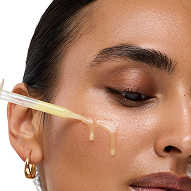
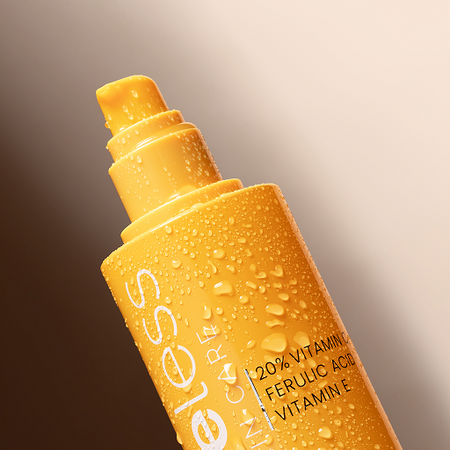
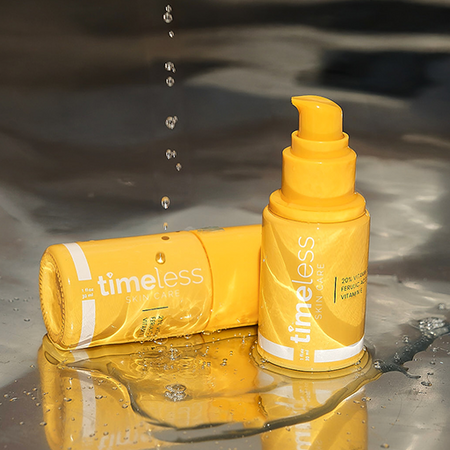
Apply a few drops of vitamin C serum directly to clean, toned skin. Gently press the liquid into your face and neck, allowing it to absorb before moving to your next layer. A product example is our 20% Vitamin C + E Ferulic Acid Serum.
Step 4: Hydrating and Peptide Serums
If you use multiple serums, layer them based on viscosity. Lightweight humectants like hyaluronic acid and targeted peptide formulations follow your antioxidant step.
Hyaluronic acid helps attract, bind, and retain water in the outer layers of the skin. Peptides are short chains of amino acids that may help support the appearance of firmness. Pat these formulas evenly across the face to support a smooth, plump surface appearance. If you need help organizing a routine, use our skincare quiz.
Step 5: Eye Cream
The skin surrounding the eyes is thinner than the rest of the face. Applying an eye cream before a heavier facial lotion can help limit unnecessary friction in this delicate area. Dab a small pea-sized amount along the orbital bone using your ring finger.
Step 6: Daily Moisturizer
Moisturizer smooths the skin surface and helps maintain hydration levels throughout the day. A lightweight gel or fluid lotion may suit combination and oily skin, while normal to dry skin types may prefer a richer cream. Smooth the product over your face and neck using upward motions.
Step 7: Broad-Spectrum Sunscreen
Sunscreen is the mandatory final step of every morning skincare routine. Apply a broad-spectrum sunscreen with an SPF of 30 or higher every day, regardless of weather conditions or indoor plans.
Sunscreen forms a protective layer over the skin surface. Applying serums, oils, or creams on top of sunscreen may disrupt this layer and reduce its ability to filter UV rays. Allow your moisturizer to set before applying your sunscreen evenly over the face, neck, and ears.
Quick Answer: Apply daytime products in this order: Cleanser, Toner, Antioxidant Serum, Hydrating Serum, Eye Cream, Moisturizer, and Broad-Spectrum Sunscreen.
The Evening Skincare Routine Order
At night, your routine shifts toward cleansing, replenishing lost hydration, and targeted surface treatments. Without the need for sunscreen, evening routines can accommodate richer textures and restorative active ingredients.
Step 1: Makeup Removal and Double Cleansing
If you wear makeup or long-wear sunscreen, double cleansing can provide a thorough clean.
- Begin with an oil-based cleansing balm or micellar water applied to dry skin to break down surface oils and cosmetic pigments.
- Follow with a gentle water-based cleanser and lukewarm water to wash away remaining residue.
Double cleansing cleans the skin without aggressive rubbing, leaving a clean surface for your nighttime products.
Step 2: Exfoliation or Balancing Toner
Chemical exfoliants such as alpha hydroxy acids, including glycolic or lactic acid, and beta hydroxy acids, including salicylic acid, help remove dead skin cell buildup from the surface.
Limit chemical exfoliation to two or three nights per week. Over-exfoliating can disrupt the surface barrier and cause discomfort. On nights when you do not exfoliate, use a hydrating, alcohol-free toner to rebalance the skin.
Step 3: Targeted Treatment Serums
Nighttime is suitable for concentrated cosmetic treatments like retinoids, CoQ10, and advanced peptide formulas.
Coenzyme Q10 is a lipid-soluble antioxidant naturally found in skin. Topical CoQ10 provides antioxidant support as the skin's natural CoQ10 levels decline with age. It helps improve the appearance of fine lines and supports firmer-looking skin. A product in this category is Coenzyme Q10 Serum.
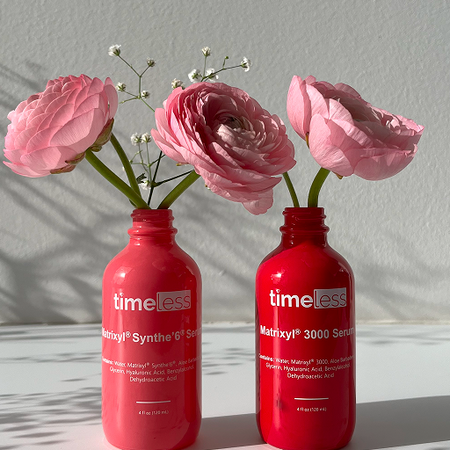
If you choose to use specialized peptide complexes, apply them during this treatment phase. Formulas containing Matrixyl 3000 (palmitoyl tripeptide-1 and palmitoyl tetrapeptide-7) or Matrixyl Synthe'6 (palmitoyl tetrapeptide-38) may help support the appearance of firmness and smoother-looking skin. Learn more in Matrixyl Synthe'6 vs. Matrixyl 3000.
Step 4: Hydrating Serums
Following active treatments, apply a humectant serum to restore surface hydration. Hyaluronic acid helps support hydration in the upper layers of the epidermis and helps improve the appearance of dehydration lines.
Apply your humectant serum to slightly damp skin. A product example is Hyaluronic Acid 100% Pure.
Step 5: Evening Eye Cream
Nighttime eye treatments address cosmetic concerns like dark circles, puffiness, and surface dryness. Gently tap eye cream around the orbital area without pulling the delicate skin. A product example is Dark Circle Peptide Complex Eye Cream.
Step 6: Night Cream or Facial Oil
Finish your evening regimen with a nourishing moisturizer. Night creams typically contain higher concentrations of emollient lipids that soften the skin overnight.
If your skin feels dry or depleted, you can layer a lightweight facial oil over your moisturizer as an optional final step. This step helps reduce moisture loss while you sleep and may leave your skin feeling supple by morning.
How to Layer Common Active Ingredients
Combining active ingredients requires attention to formula bases and skin tolerance. Certain ingredients work well in the same routine, while others require careful spacing to help limit irritation.
Vitamin C and Sunscreen
Vitamin C and sunscreen can both be used in a morning routine. Vitamin C supports the skin's antioxidant defenses. Broad-spectrum sunscreen filters incoming UV light. Apply moisturizer and sunscreen after the vitamin C serum.
Hyaluronic Acid and Vitamin B5
Hyaluronic acid and vitamin B5 (calcium pantothenate) can be used in the same morning or evening routine. Hyaluronic acid helps attract, bind, and retain water in the outer layers of the skin. Vitamin B5 supports the skin barrier and helps the skin retain moisture. Vitamin B5 also helps the skin feel more comfortable. Apply these water-based serums after cleansing and toning, directly before your cream moisturizer. For additional reading, see what are the 3 benefits of vitamin B5.
CoQ10 Usage Guidelines
Coenzyme Q10 is generally used once daily within either an AM or PM routine. Because it is lipid-soluble, it can be placed after lighter water-based serums. Never apply CoQ10 formulations directly under the eyes. If you have vitiligo, check with your dermatologist before using a CoQ10 product.
Managing Strong Actives
To maintain skin comfort, avoid stacking multiple strong exfoliating acids with retinoids in the same evening application. Instead, alternate nights: use your chemical exfoliant on Monday and Thursday, and your retinoid or peptide treatments on the remaining evenings.
Note: Individual reactions to active ingredients vary. Anyone with a known skin sensitivity or diagnosed skin condition should check with their dermatologist before introducing new concentrated actives.
Realistic Expectations for Your Skincare Routine
Establishing the correct order of skincare application is the foundation of a consistent regimen, but visible improvements develop gradually with regular use. Skin cells naturally turn over across a multi-week cycle, and cosmetic results can take time.
Surface hydration and softness may improve with consistent layering. Changes in the look of skin firmness, the appearance of fine lines, and overall tone may require sustained use. No cosmetic formula creates overnight changes.
Founded in 2009 by Veronica Pedersen, Timeless Skin Care is a USA-based brand. A consistent, well-ordered regimen may support visible cosmetic results over time.
Frequently Asked Questions
How long should I wait between applying skincare steps?
Most water-based serums and toners absorb within thirty to sixty seconds. You do not need to wait lengthy periods between every step. Simply allow each product to absorb until your skin feels slightly tacky rather than wet before applying the next layer. The main exception is daily sunscreen: allow your moisturizer to set for two full minutes so your sunscreen forms an even, undisturbed protective film across the skin.
Can I use vitamin C and hyaluronic acid in the same routine?
Yes, vitamin C and hyaluronic acid can be layered together. In the morning, apply your vitamin C serum first to clean, dry or lightly toned skin. Follow with your hyaluronic acid serum to help support hydration in the upper layers of the epidermis before applying your moisturizer.
What should I do if my skincare products start pilling?
Pilling occurs when products ball up into small flakes instead of absorbing. This usually happens when a water-based product is applied over an oil-based formula, when too much product is applied at once, or when formulations containing heavy silicones are layered together. To prevent pilling, apply products from thinnest to thickest consistency, use smaller amounts, and gently pat serums into the skin rather than rubbing aggressively.
Is a morning cleanse always necessary before starting my routine?
A morning cleanse may help remove overnight sebum, sweat, and residual evening creams. Those with oily or combination skin may benefit from a gentle foaming or gel wash. If your skin is dry or sensitive, rinsing thoroughly with lukewarm water may be sufficient before proceeding directly to your toner, serums, moisturizer, and broad-spectrum sunscreen.