Introduction
Building a skincare routine can make daily product use more consistent. Applying products in the wrong sequence can make layering less comfortable. A simple order based on product texture helps organize the routine.
The fundamental rule of skincare layering is straightforward: apply your products from the thinnest consistency to the thickest consistency. Following this logic places lightweight, water-based products before richer creams or oils.
Whether your routine consists of three basic steps or an expanded regimen with targeted serums, understanding the correct order can help you organize your daily routine. This guide covers the sequence for morning and evening applications, how to layer active ingredients, and how to adapt your steps to your skin type.
Quick Answer: Apply your products in order of consistency, starting with the thinnest water-based formulas and finishing with the thickest creams or oils. During the day, always finish with a broad-spectrum sunscreen rated SPF 30 or higher.
The Core Principles of Product Layering
To understand why product order matters, it helps to understand how different skincare textures behave on the surface of your skin. Applying a light, watery essence over a heavy, occlusive cream can leave the lighter product sitting on the surface.
The Thin-to-Thick Rule
Skincare products range from weightless liquids to rich balms. Water-based liquids, such as toners and light serums, absorb quickly into the upper layers of the epidermis. Oil-based products and heavier emulsions take longer to absorb and form a surface layer. Learn more about how to layer multiple serums.
When you apply lighter liquids first, they make direct contact with clean skin. Richer creams follow as later layers.
Water-Based Before Oil-Based
Water and oil do not mix naturally. If you apply an oil-based product first, water-based products applied on top may sit on the surface rather than absorbing evenly. Apply water-based toners and serums before face oils or dense moisturizing creams.
The Role of Occlusives and Humectants
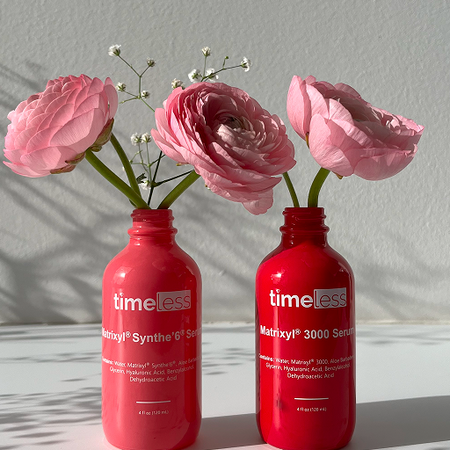
Hyaluronic acid is a humectant. It helps attract, bind, and retain water in the outer layers of the skin. It helps support hydration in the upper layers of the epidermis. Hyaluronic acid is a humectant, not a moisturizer. For related ingredient definitions, visit the ingredient glossary.
A moisturizer helps reduce moisture loss. An occlusive helps reduce transepidermal water loss (TEWL), the water that evaporates from the skin's surface. Apply the humectant first and the moisturizer second.
| Product Type | Primary Function | Typical Texture | Recommended Placement |
|---|---|---|---|
| Cleanser | Removes dirt, excess sebum, and makeup | Gel, foam, or cream | Step 1 (AM and PM) |
| Toner | Rebalances skin surface and provides initial hydration | Water-thin liquid | Step 2 (AM and PM) |
| Water-Based Serum | Delivers concentrated cosmetic ingredients | Lightweight fluid or gel | Step 3 (AM and PM) |
| Eye Cream | Targets the delicate area around the eyes | Light cream or gel-cream | Step 4 (AM and PM) |
| Moisturizer | Helps reduce moisture loss | Lotion, cream, or balm | Step 5 (AM and PM) |
| Face Oil | Provides an oil-based surface layer | Liquid oil | Step 6 (PM or dry skin AM) |
| Sunscreen | Defends against UV exposure | Lotion, fluid, or cream | Final step (AM only) |


The Step-by-Step Morning Skincare Order
Your morning routine is focused on preparing your skin for the day ahead. Daytime exposure includes environmental factors such as UV radiation, dry air, and urban pollution. The morning sequence prioritizes antioxidant support, hydration, and reliable sun defense.
Step 1: Cleanser
Start your morning by cleansing your face to remove excess oil, sweat, and overnight product residue.
- Splash your face with lukewarm water.
- Apply a gentle, sulfate-free cleanser using circular motions.
- Rinse thoroughly and gently pat your skin dry with a clean towel, leaving it slightly damp if you plan to apply a hydrating toner immediately.
If you have very dry or sensitive skin, a simple rinse with lukewarm water may be sufficient in the morning.
Step 2: Toner or Hydrating Mist
A hydrating toner prepares the skin surface for subsequent treatments. Apply a few drops of toner into your palms and pat it directly onto your face and neck. Avoid alcohol-heavy astringents that can strip the skin barrier.
Step 3: Daytime Serums and Antioxidants
Serums contain concentrated ingredients designed to address specific cosmetic concerns. The morning is a common time for antioxidant formulas. An antioxidant helps defend against oxidative stress caused by environmental factors such as UV exposure and pollution. An antioxidant helps neutralize free radicals generated by UV exposure. An antioxidant supports the skin's antioxidant defenses.
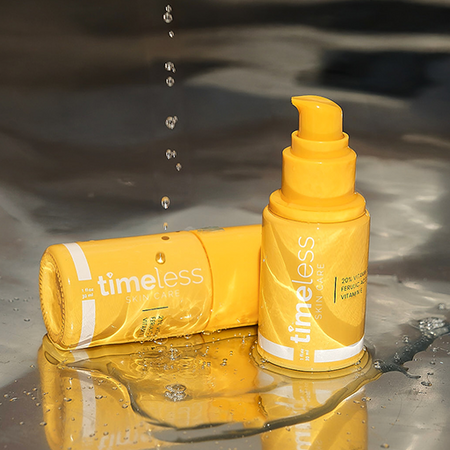
Vitamin C is one of the most researched daytime topical antioxidants. Morning use is common, but it is not the only option. Vitamin C helps brighten the look of dullness and uneven tone. You will find this active in the Timeless Skin Care Vitamin C category.
If you are using multiple serums in the morning, apply them from thinnest to thickest:
- Apply your water-thin antioxidant serum first.
- Follow with a slightly thicker hydrating serum. For a product reference, see Hyaluronic Acid 100% Pure.
Allow each serum roughly 30 to 60 seconds to settle into the skin before moving to your next step.
Step 4: Eye Cream
The skin surrounding the eyes is thinner and has fewer oil glands than the rest of the face. An eye cream provides targeted hydration and helps smooth the look of the eye contour.
Dispense a pea-sized amount of eye cream for both eyes. Use your ring finger to gently tap the product along the orbital bone, moving from the inner corner outward. Products in the Eye category can be placed at this point in the routine.
Step 5: Daytime Moisturizer
A daily moisturizer helps smooth skin texture and helps reduce transepidermal water loss (TEWL), the water that evaporates from the skin's surface.
For normal to oily skin, a lightweight lotion or gel moisturizer may work well under makeup and sunscreen. For dry skin, select a slightly richer cream containing ceramides or fatty acids. Smooth a nickel-sized amount over your face and neck using gentle upward strokes.
Step 6: Broad-Spectrum Sunscreen
Daily sunscreen application is an important part of a morning routine. Broad-spectrum sunscreen protects the skin from both UVA and UVB rays, helping prevent premature signs of aging and photo-damage.
Key Takeaway: Sunscreen is always the final step in your morning skincare routine. Applying serums or moisturizers on top of your sunscreen can dilute the formula and disrupt the protective film it creates on your skin.
Apply an adequate amount of broad-spectrum sunscreen with an SPF rating of 30 or higher to your face, neck, and ears. Allow the sunscreen to dry completely before applying makeup or foundation.
The Step-by-Step Evening Skincare Order
While the morning routine emphasizes defense, your evening routine focuses on cleansing away daily impurities and applying hydrating and conditioning products.
Step 1: Makeup Removal and Double Cleansing
Throughout the day, your skin collects sunscreen, cosmetic products, sebum, and airborne particulates. A single quick cleanse may not fully remove water-resistant sunscreen or long-wear makeup.
Double cleansing can help remove these layers:
- First Cleanse: Apply an oil-based cleanser, cleansing balm, or micellar water to dry skin to dissolve makeup and sunscreen.
- Rinse or wipe away the first cleanser with lukewarm water.
- Second Cleanse: Follow with a gentle water-based cleanser to remove remaining sweat, dirt, and water-soluble impurities.
- Rinse cleanly and pat dry.
Step 2: Toner or Exfoliant
In the evening, you can alternate between a hydrating toner and an exfoliating treatment:
- Hydrating Toner: Use this on nights when your skin feels dry or when using stronger active treatments later in the routine.
- Chemical Exfoliant: Alpha hydroxy acids, such as glycolic or lactic acid, or beta hydroxy acids, such as salicylic acid, help remove dead surface cells. Limit exfoliating acids to one to three nights per week to avoid irritating your skin barrier.
Step 3: Evening Serums and Targeted Treatments
Nighttime is a common time for applying peptides, barrier-supporting nutrients, or retinoids.
- Peptides: Peptides may help support the appearance of firmness.
- Vitamin B5: Vitamin B5 supports the skin barrier and helps the skin retain moisture. It helps the skin feel more comfortable.
- Coenzyme Q10: CoQ10 is a lipid-soluble antioxidant naturally found in skin. It provides antioxidant support as the skin's natural CoQ10 levels decline with age. It helps improve the appearance of fine lines and supports firmer-looking skin. CoQ10 is generally used once daily. If you have vitiligo, check with your dermatologist before using a CoQ10 product.
- Retinoids: If you use an over-the-counter retinol or a prescribed retinoid, apply it during this step to dry skin.
Step 4: Eye Cream
Reapply your eye cream at night to provide continued hydration to the delicate eye area while you sleep. Tap a small amount around the orbital bone without pulling the skin.
Step 5: Nighttime Moisturizer or Cream
Night creams are frequently more emollient than daytime lotions. An evening moisturizer helps reduce moisture loss while you rest. Apply evenly across your face, neck, and décolletage.
Step 6: Facial Oil (Optional)
If your skin is prone to dryness or you live in an arid climate, adding a facial oil can provide an extra layer of comfort. Because oils are lipid-based, they should be applied as the final step over your moisturizer. Alternatively, you can mix two to three drops of oil directly into your evening moisturizer before applying.
How to Layer Multiple Serums Without Irritation
Many skincare enthusiasts use more than one serum to address different cosmetic goals. Layering serums effectively requires attention to formulation weight, pH levels, and ingredient compatibility.
1. Layer by Viscosity
When combining two or three serums, always apply the most fluid, watery formula first. Gel-like serums come second, followed by emulsion-based or milky serums. This allows the lightweight formula to absorb without being blocked by thicker textures.
2. Space Out Potent Ingredients
Combining multiple strong active ingredients in a single routine may increase the potential for surface irritation. Individual reactions vary, and anyone with a known sensitivity or diagnosed skin condition should check with their dermatologist.
To minimize the potential for surface irritation, consider separating your active ingredients between morning and evening, or alternating nights:
- Morning: Use antioxidant serums, such as vitamin C, followed by your daily SPF.
- Evening (Night A): Use exfoliating acids to smooth surface texture.
- Evening (Night B): Use a retinoid for fine lines and skin tone support.
- Evening (Every Night): Use gentle hydrating serums containing hyaluronic acid. Hyaluronic acid helps improve the appearance of dehydration lines.
3. Allow Time for Absorption
You do not need to wait ten minutes between every step, but giving each product 30 to 60 seconds to absorb helps prevent pilling. Pilling occurs when products ball up on the surface of the skin instead of absorbing smoothly.
Adapting Your Routine to Your Skin Type
While the general sequence remains the same, the specific formulas you choose should reflect your individual skin characteristics. The skincare quiz can help guide routine choices.
Dry Skin
Dry skin lacks natural lipids and is prone to flaking and visible roughness.
- Morning: Gentle creamy cleanser, hydrating toner, humectant serum, rich cream, and moisturizing sunscreen.
- Evening: Cleansing balm, gentle hydrating cleanser, barrier-supporting serum, rich moisturizing cream, and a finishing facial oil.
- Routine Focus: Prioritize ingredients that help reduce transepidermal water loss (TEWL), the water that evaporates from the skin's surface.
Oily and Blemish-Prone Skin
Oily skin produces excess sebum and can become congested if heavy, occlusive products are layered too thickly.
- Morning: Gel cleanser, balancing toner, lightweight antioxidant serum, gel-based moisturizer, and an oil-free, fluid sunscreen.
- Evening: Double cleanse with a lightweight cleansing oil followed by a foaming cleanser, targeted clarifying serum, and a light lotion.
- Routine Focus: Opt for light, water-based serums and non-comedogenic lotions that do not leave a heavy residue.
Combination Skin
Combination skin presents an oily T-zone, including the forehead, nose, and chin, alongside normal or dry cheeks.
- Morning: Gentle foaming cleanser, balancing toner, antioxidant serum, lightweight lotion applied all over, and broad-spectrum sunscreen.
- Evening: Double cleanse, targeted serum, and medium-weight moisturizer. You can apply a slightly thicker cream only to dry areas if needed.
- Routine Focus: Balance hydration levels without overloading the oilier sections of the face.
Realistic Expectations for Skincare Results
Achieving visible improvements in skin tone, smoothness, and firmness takes consistency. Skincare products work gradually on the surface of the skin.
Hyaluronic acid helps support hydration in the upper layers of the epidermis and helps improve the appearance of dehydration lines. Cosmetic changes in the look of fine lines, uneven tone, and overall skin firmness may require consistent use.
Every person's skin responds at its own pace depending on age, genetics, sun exposure history, and overall lifestyle. Give your routine consistent use before evaluating whether a specific product combination is meeting your cosmetic goals.
Frequently Asked Questions
What should I do if my skincare products start pilling?
Pilling happens when products fail to absorb and roll into small flakes on the surface of your skin. To prevent this, apply your products from thinnest to thickest, use smaller amounts of each product, and allow each layer to absorb for 30 to 60 seconds before applying the next step. Pilling can also occur if a silicone-heavy product is layered over a water-heavy formula without adequate dry time.
Can I mix my serum directly into my moisturizer to save time?
While mixing a few drops of a facial oil into your moisturizer is generally fine, mixing active serums directly into a cream before application is not recommended. Combining separate formulas in your hands can alter the preservative system, disrupt the pH balance necessary for ingredients like L-ascorbic acid, and prevent the serum from absorbing evenly into the outer layers of the skin. Apply your serum first and follow with your moisturizer.
Do I need to wait between applying my toner, serum, and moisturizer?
For most basic hydrating products, you only need to wait until the product feels absorbed and the skin is slightly tacky, which usually takes under a minute. However, if you are using pH-dependent formulas such as strong L-ascorbic acid or direct exfoliating acids, giving the product one to two minutes to settle before applying a richer cream can help ensure uniform application. Sunscreen should always be allowed to dry completely before you apply makeup.
What is the simplest effective skincare routine order for beginners?
If a multi-step routine feels overwhelming, you can maintain a consistent routine with three essential steps in the morning and three at night. In the morning, use a gentle cleanser, apply a light moisturizer, and finish with a broad-spectrum sunscreen rated SPF 30 or higher. In the evening, cleanse your skin thoroughly to remove daily debris, apply a targeted serum for your primary cosmetic concern, and finish with your nighttime moisturizer.