Introduction
Building a skincare routine is exciting, but figuring out when to apply each formula can feel confusing. If you smooth a thick cream over your face before a lightweight liquid, the lighter product may not apply evenly. A thoughtful order can help products layer smoothly without creating unwanted buildup or irritation.
The fundamental rule of layering is straightforward: apply products from thinnest to thickest consistency, moving from water-based liquids to richer creams, and finish daytime routines with sunscreen. Whether your regimen has three basic steps or includes multiple targeted formulas, getting the sequence right can help your skin look balanced and radiant. Explore our skincare quiz for routine guidance.
Key Takeaway: The standard sequence moves from the lightest liquid textures to the heaviest emollients, finishing with broad-spectrum sun protection during the day.
Core Principles of Skincare Layering
Understanding the physical properties of your products can reduce guesswork in morning and night routines. Three simple guidelines can help organize your routine.
1. Thinnest to Thickest Texture
Lightweight, watery products are generally applied before heavier lotions, creams, and oils. A light serum is generally applied before a thicker cream.
2. Water-Based Before Oil-Based
Water and oil do not mix easily. Water-based essences, toners, and serums are generally applied first. Once those have been applied, lipid-rich formulas, emulsions, and facial oils can follow.
3. Protection Always Finishes the Morning
Daytime routines should conclude with broad-spectrum sunscreen. A broad-spectrum sunscreen rated SPF 30 or higher helps protect the skin from UV exposure. Apply sunscreen as the final skincare step before makeup.
Table: Texture Hierarchy for Layering
| Order | Product Category | Primary Formulation Base |
|---|---|---|
| Step 1 | Cleanser | Water or Oil Rinse-off |
| Step 2 | Toner / Essence | Water-based liquid |
| Step 3 | Serums / Treatments | Water or light gel |
| Step 4 | Eye Cream | Light emulsion or gel-cream |
| Step 5 | Moisturizer | Emulsion / rich cream |
| Step 6 | Facial Oil | Pure lipid blend |
| Step 7 | Sunscreen (AM only) | Mineral or chemical SPF suspension |


The Step-by-Step Morning Routine Order
Daytime skincare focuses on hydration and defense against daily environmental stress. Morning regimens should leave the skin comfortable and ready for daytime sun protection.
Step 1: Gentle Cleansing
Start by washing away nighttime sweat, natural surface oils, and residual evening products. A mild, sulfate-free water-based cleanser can be an option. If your skin is exceptionally dry or sensitive in the morning, a simple rinse with lukewarm water may be sufficient.
Step 2: Hydrating Toner or Mist
An alcohol-free toner or facial mist can prepare the skin surface for leave-on treatments. It may also remove any lingering residue left behind by tap water.
Step 3: Antioxidant Serum
Morning use is common for antioxidant formulas. When an antioxidant formula is used in the morning, pair it with broad-spectrum sunscreen.
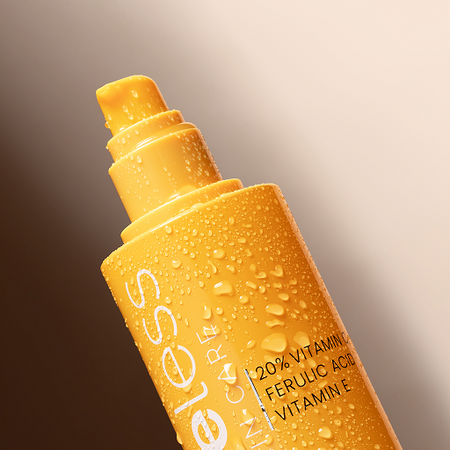
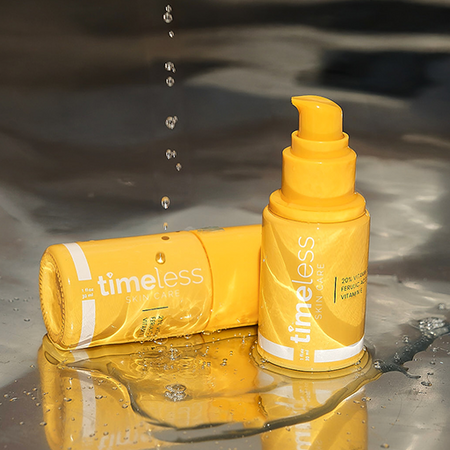
Our 20% Vitamin C + E Ferulic Acid Serum is a vitamin C serum. An antioxidant such as L-ascorbic acid helps defend against oxidative stress caused by environmental factors such as UV exposure and pollution. Vitamin C also helps brighten the look of dullness and uneven tone.
For individuals introducing potent actives, starting with an antioxidant serum every few days may be a gradual approach.
Step 4: Eye Cream
The delicate skin surrounding the eye contours is thinner than facial skin. Dabbing a pea-sized amount of eye cream with your ring finger helps support smoothness and hydration before heavier creams are applied.
Step 5: Moisturizer
A daily moisturizer helps reduce transepidermal water loss (TEWL), the water that evaporates from the skin's surface. Opt for lightweight gel-creams or oil-free lotions if you have oily skin, or standard creams if your skin runs dry.
Step 6: Broad-Spectrum Sunscreen
Daily broad-spectrum sunscreen is an important step in your morning routine. Apply an adequate amount, roughly a nickel-sized dollop for the face and neck, at least 15 minutes before stepping outside. Always use an SPF rating of 30 or higher and reapply every two hours during prolonged sun exposure.
Note: Never mix your sunscreen directly into your moisturizer or foundation, as altering the formula may affect how sunscreen forms a film on the skin.
The Step-by-Step Evening Routine Order
Your evening regimen is designed to wash away grime, pollution, and makeup from the day while supporting hydration and the look of firm skin overnight.
- First Cleanse (Makeup and SPF Removal): Use an oil cleanser, cleansing balm, or micellar water on dry skin to dissolve makeup, sebum, and water-resistant sunscreen filters.
- Second Cleanse (Water-Based Wash): Follow with a gentle water-based cleanser to clean the skin without stripping away essential surface lipids.
- Exfoliant (1 to 3 Times Weekly): Chemical exfoliants containing alpha hydroxy acids, such as glycolic or lactic acid, or beta hydroxy acids, such as salicylic acid, sweep away dead skin buildup. Use these only a few nights a week to avoid over-exfoliation.
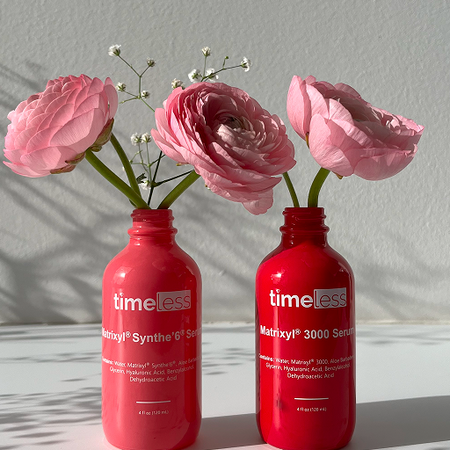
- Treatment Serums: Apply targeted treatments to clean, bare skin. Peptides such as Matrixyl 3000 or Matrixyl Synthe'6 may help support the appearance of firmness. Our Hyaluronic Acid 100% Pure is a hyaluronic acid serum. Hyaluronic acid helps attract, bind, and retain water in the outer layers of the skin.
- Night Eye Cream: Smooth an emollient eye cream around the orbital bone to support the appearance of the eye area while you sleep.
- Night Moisturizer: Choose a nourishing cream with ceramides, fatty acids, or cholesterol. A night moisturizer helps reduce moisture loss overnight.
- Facial Oil (Optional): If your skin is prone to dryness, patting two to three drops of facial oil over your moisturizer helps reduce moisture loss throughout the night.
How to Layer Multiple Serums Effectively
Layering multiple serums allows you to target different skin concerns simultaneously, but applying them haphazardly can cause pilling or irritation. See our guide to layering multiple serums for additional routine guidance.
Table: Serum Layering Guide
| Serum Type | Primary Ingredient Focus | Recommended Routine Placement |
|---|---|---|
| Water-Light Antioxidants | L-Ascorbic Acid | Directly after cleansing on dry skin (AM or PM) |
| Humectant Serums | Sodium Hyaluronate | After antioxidant serums or mists (AM/PM) |
| Peptide Formulations | Palmitoyl Peptides | After humectants or directly on clean skin (AM/PM) |
| Barrier Support Serums | Calcium Pantothenate (B5) | Mid-routine before creams (AM/PM) |
Water-Based Actives First
When using more than one serum, apply the thinnest, most watery consistency first. Allow each layer a brief moment to settle before applying the next formula.
Pairing Ingredients Thoughtfully
Hyaluronic acid can be used with many cosmetic actives. It helps attract, bind, and retain water in the outer layers of the skin.
Peptides may help support the appearance of firmness.
Individual reactions vary. CoQ10 provides antioxidant support as the skin's natural CoQ10 levels decline with age. CoQ10 helps improve the appearance of fine lines. CoQ10 supports firmer-looking skin. Anyone with a known sensitivity or diagnosed skin condition should check with their dermatologist. If you have vitiligo, check with your dermatologist before using a CoQ10 product.
Our Coenzyme Q10 Serum is a CoQ10 serum.
Realistic Expectations for Skincare Routines
Achieving visible improvements in skin tone, smoothness, and radiance can require patience and regular application. Cosmetic skincare formulas may not produce overnight transformations.
Surface hydration changes may be noticed sooner than changes in tone, fine lines, or texture. These changes may occur gradually with consistent use.
Individual skin response depends on genetics, environmental exposure, lifestyle factors, and product formulation stability. Consistency with your core steps, especially daily sun protection, can support long-term cosmetic goals. Routine products are also available in the DIY Build Your Kit collection.
Quick Answer: Consistent use is important when evaluating cosmetic skincare routines.
Frequently Asked Questions
How long should I wait between skincare steps?
Most products do not require long waiting times. You can apply toners, humectant serums, and moisturizers in smooth succession as soon as each layer feels absorbed and no longer slippery. The main exception is sunscreen: allow your daytime moisturizer to absorb for one to two minutes before applying SPF, and allow sunscreen to set before applying makeup.
Can I apply face oil before moisturizer?
Facial oils are rich in occlusive lipids that sit on top of the skin. Applying a face oil before a water-based moisturizer may make layering less even. For hydration, apply water-based serums first, follow with moisturizer, and use facial oils as the final step or mix them into your night cream.
Is double cleansing necessary in the morning?
Double cleansing is generally unnecessary in the morning. A single cleanse using a mild, water-based cleanser or a gentle water rinse can be enough to remove overnight sebum and product residue. Save double cleansing for your evening routine to dissolve makeup, sunscreen, and daily airborne impurities.
What should I do if my products start pilling?
Pilling occurs when products ball up into small flakes instead of absorbing. This can happen when too many thick formulas are layered at once, when products are rubbed too aggressively, or when silicone-heavy formulas are layered over water-based treatments too quickly. To prevent pilling, reduce the number of steps, pat rather than rub, and allow watery layers a brief moment to settle.