Introduction
Building an effective skincare regimen starts with a consistent application sequence. You might have formulas with active ingredients, but their order still affects how products layer. Understanding the order of your skincare routine helps you layer products consistently and achieve a smooth-feeling finish.
Quick Answer: Apply your products from thinnest consistency to thickest texture. Cleanse first, follow with lightweight water-based liquids and serums, apply eye cream, smooth on your moisturizer, and finish every morning with a broad-spectrum sunscreen.
Timeless Skin Care, founded in 2009 by Veronica Pedersen, focuses on straightforward formulations. Here is a guide to ordering your morning and evening routines for smooth, healthy-looking skin.
The Golden Rule of Layering: Thinnest to Thickest
A common rule of skincare layering is simple: arrange your products from thinnest consistency to thickest texture. Water-based liquids go on first, followed by gel-like serums, lipid-rich oils, and dense creams.
- Cleanse.
- Apply toner or essence.
- Apply water-based serums.
- Apply eye cream.
- Apply moisturizer.
- Finish with sunscreen in the morning.
Why does this matter? Heavy creams and oils contain occlusive agents. Moisturizers help reduce transepidermal water loss (TEWL), the water that evaporates from the skin's surface. Layering products from thin to thick helps keep application consistent.
| Step Type | Typical Texture | Purpose in Routine |
|---|---|---|
| Water-Based Preps | Watery, fluid | Adds hydration to the skin surface |
| Targeted Serums | Thin gel, light liquid | Addresses specific cosmetic goals |
| Emulsions & Creams | Cream, lotion | Softens and helps reduce moisture loss |
| Sunscreen (AM) | Lotion, fluid, mineral cream | Provides broad-spectrum protection from UV exposure |


The Morning Skincare Routine Order
Your daytime regimen focuses on hydration, antioxidant support, and surface defense against the elements.
Step 1: Cleanser
Start by washing your face with lukewarm water and a gentle cleanser to clear away sweat, sebum, and nighttime products. If your skin feels particularly dry upon waking, a simple splash of water may be sufficient.
Step 2: Hydrating Toner or Essence
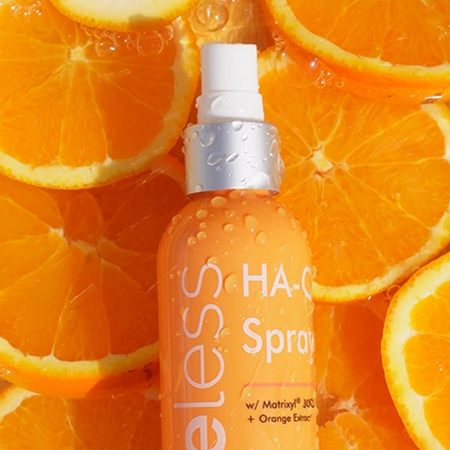
A hydrating toner is an optional step. Ingredients like hyaluronic acid can fit this step. Hyaluronic acid is a humectant, not a moisturizer. It helps attract, bind, and retain water in the outer layers of the skin. Apply immediately after cleansing while the skin is still slightly damp.
Step 3: Daytime Serums
Morning is a common time for antioxidant support.
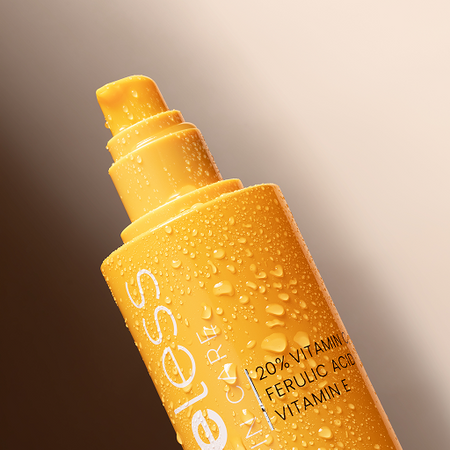
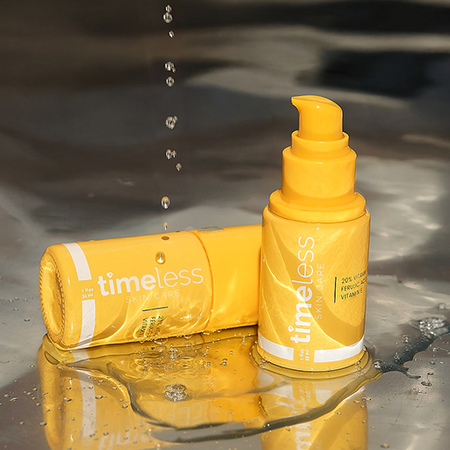
- Vitamin C: Our 20% Vitamin C + E Ferulic Acid Serum is a vitamin C serum. Vitamin C is a water-soluble antioxidant. Vitamin C helps defend against oxidative stress caused by environmental factors such as UV exposure and pollution. Vitamin C helps brighten the look of dullness and uneven tone. When vitamin C is used in the morning, pair it with broad-spectrum sunscreen.
- CoQ10: Our Coenzyme Q10 Serum is a CoQ10 serum. CoQ10 provides antioxidant support as the skin's natural CoQ10 levels decline with age. CoQ10 supports firmer-looking skin. If you have vitiligo, check with your dermatologist before using a CoQ10 product.
Step 4: Eye Cream
Our Dark Circle Peptide Complex Eye Cream is an eye cream. The skin around the orbital bone is delicate and thin. Gently tap an eye cream around the orbital area using your ring finger before spreading heavier face creams.
Step 5: Moisturizer
A daily moisturizer helps reduce transepidermal water loss (TEWL). Choose a lightweight lotion or oil for oily or combination skin, or a richer cream if your skin leans dry. The Argan Oil 100% Pure and Squalane Oil 100% Pure are great options!
Step 6: Broad-Spectrum Sunscreen
Your morning routine must always conclude with a broad-spectrum sunscreen rated SPF 30 or higher. Sunscreen sits on the skin surface to block ultraviolet radiation. Applying other skincare products on top of your SPF can dilute its protective film, so make this your final step before makeup.
The Evening Skincare Routine Order
While daytime is about defense, your nighttime routine focuses on thorough cleansing, hydration, and targeted peptide or resurfacing treatments.
- First Cleanse (Makeup / Sunscreen Removal): Dissolve stubborn water-resistant sunscreen, foundation, and daily pollution with a cleansing oil, balm, or micellar water.
- Second Cleanse: Follow with a gentle, water-based cleanser to lift away remaining residue without stripping the skin barrier.
- Exfoliant: If you use chemical exfoliants like alpha hydroxy acids (AHAs) or beta hydroxy acids (BHAs), sweep them on clean, dry skin. Exfoliation helps sweep away dead skin cells.
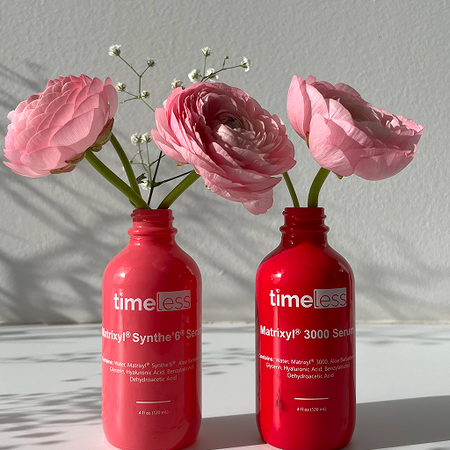
- Targeted Night Serums: The Matrixyl 3000 Serum is a peptide serum. Nighttime is a common time for layering peptides or hydrating serums.
- Eye Cream: Dab a small amount along the orbital bone to support the delicate eye contour overnight.
- Night Moisturizer or Barrier Cream: Apply a nourishing cream to the surface. Vitamin B5, listed as calcium pantothenate, supports the skin barrier and helps the skin retain moisture.
Key Takeaway: Let each serum layer absorb until it feels set on the skin before smoothing on your moisturizer.
How to Layer Multiple Serums Without Pilling
Skincare enthusiasts often want to address several concerns in a single routine. Layering two or three serums can work when you follow consistent layering guidelines.
Follow Texture and Viscosity
If you are applying more than one serum, apply the thinnest, most watery texture first. Let it settle before applying the slightly more viscous or gel-like formula.
Balance Water-Based and Oil-Based Formulations
Water and oil may not mix easily. Apply water-based serums first. If you use an oil-based booster, apply it after your water-based treatments.
- Apply the thinnest water-based serum.
- Apply the thicker gel-based serum.
- Apply facial oil or cream.
Prioritize Your Primary Skin Concern
When two serums share an identical watery consistency, layer the one addressing your main skin priority first. If improving the look of uneven tone is your primary goal, apply your vitamin C first. If surface hydration is your focus, apply your humectant first.
For additional guidance, see how to layer multiple serums.
Setting Realistic Expectations for Your Skin
Consistency is important in any skincare routine. Hyaluronic acid helps improve the appearance of dehydration lines. Peptides may help support the appearance of firmness. Individual results can vary depending on skin, environment, and routine.
If you experience irritation or have a diagnosed skin condition, check with your dermatologist to tailor your regimen appropriately.
Frequently Asked Questions
How long should I wait between skincare steps?
You do not need to wait lengthy periods between steps. For most toners, essences, and serums, waiting 30 to 60 seconds for the product to absorb into the surface is plenty of time. Sunscreen should be allowed to dry down for several minutes before you step outdoors or apply makeup over it.
Can I use Vitamin C and Hyaluronic Acid together?
Yes, these ingredients can be used in the same morning routine. Because L-ascorbic acid serums are typically thin and watery, apply your Vitamin C first on clean, dry skin. Follow with a hyaluronic acid serum. It helps attract, bind, and retain water in the outer layers of the skin.
For more information, read Can You Use Hyaluronic Acid and Vitamin C Together?.
Do I really need to wash my face in the morning?
For oily skin, a gentle morning cleanse helps remove excess sebum and nighttime products. If your skin is dry or sensitive, rinsing thoroughly with lukewarm water may be sufficient before proceeding with your daytime hydrating steps and sunscreen.
What should I do if my skincare products start pilling?
Pilling can happen when formulas do not layer well and ball up on the surface. To help reduce pilling, use smaller amounts of product, pat layers gently instead of rubbing aggressively, apply water-based products before heavy creams, and allow each layer a moment to absorb.