Introduction
Getting your morning routine right sets the tone for your skin throughout the day. When you apply products in the proper sequence, you allow each formula to work without interference from heavier textures. A thoughtful AM skincare order focuses on daytime defense, hydration, and broad-spectrum sun protection.
Many people find layering confusing because there are so many types of formulas available, from watery essences to rich creams. Applying a heavy cream before a lightweight water-based serum can keep the serum from contacting the skin surface effectively. Understanding the simple rules of layering makes your morning routine simple and logical.
Founded in 2009 by Veronica Pedersen, Timeless Skin Care focuses on high-concentration active ingredients in simple, focused formulations. In this comprehensive guide, we will break down the ideal morning skincare order step by step, explain how to manage multiple active ingredients, and help you build a routine that fits your skin type.
Key Takeaway: Morning skincare is designed to hydrate the skin surface, defend against daily environmental stressors, and protect against ultraviolet light with broad-spectrum sunscreen.
Why the Correct AM Skincare Order Matters
The order in which you apply skincare products determines how well they interact with the surface of your skin. If you place a heavy, oil-rich formula down first, lighter water-based ingredients cannot easily pass through that barrier. Following a logical progression ensures that every product you apply serves its intended cosmetic purpose.
Three core principles govern daytime skincare layering:
- Viscosity (Thinnest to Thickest): Start with watery liquids and move toward denser lotions and creams.
- Base Compatibility (Water Before Oil): Apply water-soluble formulas before anhydrous solutions, facial oils, or heavy emulsions.
- Protection Last: Sunscreen must always sit on the outermost layer of your morning skincare routine so it can create an even protective shield against UV rays.
When you respect these principles, your products absorb smoothly without peeling or pilling. Pilling happens when formulas ball up on the skin instead of settling evenly, often caused by mixing incompatible bases or applying heavy occlusives before light serums.
| Step Type | Formula Characteristic | Primary Purpose in the Morning |
|---|---|---|
| Cleanse | Water-based or gentle gel | Clears overnight oil, sweat, and residual evening products |
| Tone / Mist | Water-thin liquid | Prepares the skin surface and provides initial surface hydration |
| Targeted Serum | Lightweight water-based fluid | Delivers concentrated active ingredients to the upper layers |
| Eye Care | Light cream or gel emulsion | Addresses the delicate skin around the orbital bone |
| Moisturize | Lotion, Facial Oil, or light cream | Helps reduce moisture loss throughout the day |
| Sunscreen | Broad-spectrum lotion or fluid | Defends against UVA and UVB radiation |


The Core Morning Skincare Order: Step-by-Step
A complete morning routine does not need to be complicated. Following this step-by-step framework gives your skin the necessary balance of hydration, cosmetic support, and daily defense.
Step 1: Gentle Cleanser
Your morning cleanse removes sweat, natural sebum produced overnight, and residual evening treatments. A mild, non-stripping cleanser refreshes the skin without leaving it feeling tight or dry.
If you have very dry or sensitive skin, a lukewarm water rinse may be sufficient on some mornings. However, if you wake up with noticeable oiliness or use heavier night creams, a gentle water-based cleanser provides a clean base for your morning products.
Step 2: Toner or Hydrating Mist (Optional)
Toners are not mandatory, but they can be a pleasant, functional addition to an AM routine. Modern toners are typically designed to refresh the skin surface and deliver lightweight humectants.
If you choose to use a toner or facial mist, apply it immediately after cleansing while your skin is fresh. Pat it gently onto your face and neck rather than rubbing.
Step 3: Water-Based Treatment Serums
Serums are lightweight, fluid treatments formulated with specific active ingredients. Because they have a fluid texture, they go directly onto clean, freshly toned skin.
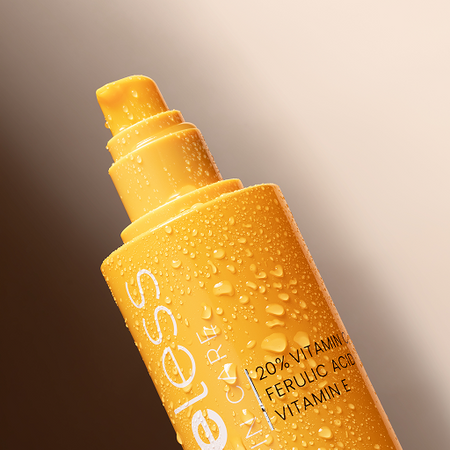
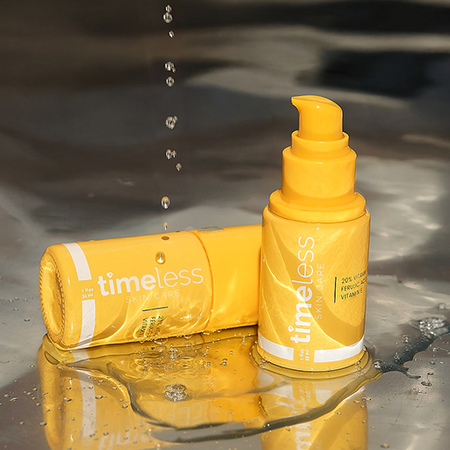
Morning is a common time for antioxidant serums. An antioxidant helps defend against oxidative stress caused by environmental factors such as UV exposure and pollution. Vitamin C is one of the most widely used morning antioxidants because it helps brighten the look of dullness and uneven tone. It also supports the skin's antioxidant defenses. Morning use should always be paired with broad-spectrum sunscreen. In our vitamin C serum category, Timeless Skin Care offers 20% Vitamin C + E Ferulic Acid Serum.
If you also use a hydrating serum, this is where it fits. Ingredients like hyaluronic acid are classified as humectants. Hyaluronic acid helps attract, bind, and retain water in the outer layers of the skin. It helps support hydration in the upper layers of the epidermis. It helps improve the appearance of dehydration lines. In our hydration serum category, Hyaluronic Acid 100% Pure is an option.
Step 4: Eye Cream
The skin around the eyes is thinner than the rest of the face and has fewer oil glands. Applying an eye formula after your watery serums allows targeted ingredients to reach that delicate area without competing with heavier face creams.
When applying an eye product, use your ring finger to gently tap a small amount along the orbital bone. Avoid pulling or tugging the skin. In our eye cream category, Dark Circle Peptide Complex Eye Cream is an option.
Step 5: Daytime Moisturizer
A daily moisturizer softens the skin surface. Moisturizers combine water, emollients, and occlusive agents.
A well-formulated moisturizer helps reduce transepidermal water loss (TEWL), the water that evaporates from the skin's surface. For morning wear, most skin types prefer a light lotion, facial oil, or gel-cream texture that dries down comfortably without feeling greasy under sunscreen or makeup. We recommend our Squalane Oil 100% Pure for a lightweight, non-greasy option that sinks into the skin for all day hydration.
Step 6: Broad-Spectrum Sunscreen (SPF 30+)
Sunscreen is the non-negotiable final step of every morning skincare regimen. Ultraviolet radiation reaches your skin even on cloudy days and through standard window glass.
Apply a generous, even layer of broad-spectrum sunscreen with an SPF rating of 30 or higher across your entire face, neck, and ears. Let your moisturizer settle for a minute or two before applying sunscreen so the SPF can form a smooth, continuous protective film over the skin.
How to use: Apply your morning skincare in exact order from thinnest texture to thickest. Always finish with broad-spectrum sunscreen as the final step before makeup.
Layering Multiple Serums and Active Ingredients
Many skincare enthusiasts prefer to use more than one serum in their morning routine. Layering multiple treatments can be feasible if you follow a few practical guidelines regarding consistency, pH, and ingredient compatibility. For additional guidance, see how to layer multiple serums.
Thinnest to Thickest Texture
If you have two water-based serums, look at their viscosity. A thin, watery serum goes on before a thicker, gel-like serum.
For instance, an L-ascorbic acid serum typically has a very fluid, water-like consistency. It should be applied first, allowing it to absorb for a moment. A slightly more viscous humectant serum containing hyaluronic acid or a peptide serum can follow directly afterward.
Managing Active Ingredients
When pairing active ingredients in the morning, pay attention to how your skin responds:
- Vitamin C and Peptides: Vitamin C helps brighten the look of dullness and uneven tone, while peptides may help support the appearance of firmness. If your vitamin C serum uses acidic L-ascorbic acid, apply it first, let it absorb, and follow with your peptide serum. Alternatively, you can use your vitamin C in the morning and reserve peptide treatments for your evening routine.
- Vitamin C and Niacinamide: Modern cosmetic formulations generally allow these ingredients to coexist comfortably. If using separate serums, apply the lighter water-based formula first.
- Coenzyme Q10 (CoQ10): CoQ10 is a lipid-soluble antioxidant naturally found in skin. It provides antioxidant support as the skin's natural CoQ10 levels decline with age. It also helps improve the appearance of fine lines and supports firmer-looking skin. CoQ10 formulas are generally used once daily. Note: If you have vitiligo, check with your dermatologist before using a CoQ10 product.
- Vitamin B5: Vitamin B5 supports the skin barrier and helps the skin retain moisture. It also helps the skin feel more comfortable when integrated into a daily regimen.
Remember: One active ingredient does not enhance, boost, or activate the performance of another. Each ingredient acts independently on the surface layers of your skin.
Tailoring Your AM Routine to Your Skin Type
While the general sequence remains the same, the specific formulas you choose should reflect the unique needs of your skin type.
Morning Routine for Dry Skin
Dry skin lacks adequate natural lipids and tends to experience flakiness or surface tightness.
- Cleanse: Use a gentle, creamy hydrating cleanser or rinse thoroughly with lukewarm water.
- Tone / Mist: Apply an alcohol-free hydrating mist to prep the skin surface.
- Serum: Layer an antioxidant serum, followed by a humectant serum that helps attract, bind, and retain water in the outer layers of the skin.
- Eye Cream: Tap a nourishing eye formula around the orbital bone.
- Moisturizer: Apply a rich cream that helps reduce transepidermal water loss (TEWL), the water that evaporates from the skin's surface.
- Sunscreen: Finish with a hydrating, broad-spectrum SPF 30 or higher.
Morning Routine for Oily or Combination Skin
Oily skin produces excess sebum, particularly across the forehead, nose, and chin. The goal is surface balance without clogging pores.
- Cleanse: Use a foaming or gel-based cleanser to remove overnight oil.
- Serum: Apply a lightweight antioxidant serum that helps defend against oxidative stress caused by environmental factors such as UV exposure and pollution.
- Lightweight Hydration: If extra hydration is needed, use a light fluid that helps support hydration in the upper layers of the epidermis.
- Moisturizer (Optional): If your sunscreen provides sufficient hydration, you may skip a separate moisturizer. Otherwise, use an oil-free gel moisturizer.
- Sunscreen: Apply a mattifying or fluid broad-spectrum SPF 30 or higher.
Morning Routine for Sensitive Skin
Sensitive skin requires minimal friction and a streamlined approach with uncomplicated formulas.
- Cleanse: Wash with a mild, fragrance-free lotion cleanser and lukewarm water.
- Serum: Use a gentle formula with vitamin B5. Vitamin B5 supports the skin barrier and helps the skin retain moisture. It also helps the skin feel more comfortable.
- Moisturizer: Apply a simple, barrier-supportive cream designed to keep the skin feeling comfortable.
- Sunscreen: Finish with a mineral or gentle broad-spectrum sunscreen.
Common Morning Layering Mistakes and Realistic Timelines
Even with quality products, simple application mistakes can limit the cosmetic benefits of your morning routine.
Common Layering Mistakes to Avoid
- Applying Sunscreen Too Early: Putting sunscreen under your serums or moisturizers can disrupt its protective film and make layering less comfortable. SPF must always be the final skincare step.
- Applying Too Many Heavy Layers: Piling on multiple dense creams can lead to pilling and heavy buildup. Keep morning layers light and functional.
- Not Allowing Products to Settle: Giving each layer thirty to sixty seconds to settle helps prevent textures from rolling up when you apply your moisturizer and SPF.
- Overlooking the Neck and Chest: The neck and upper chest receive significant daily sun exposure. Carry your antioxidant serum, moisturizer, and sunscreen down past your jawline every morning.
Realistic Expectations for Skincare Results
Cosmetic skincare requires patience and consistent daily use. Humectant serums may help improve the appearance of dehydration lines.
Antioxidant serums that help brighten the look of dullness and uneven tone work gradually. Changes in surface radiance, texture smoothness, and overall tone develop with steady application. Peptides that may help support the appearance of firmness also show their cosmetic effects progressively.
Skin physiology varies from person to person. Factors such as genetics, lifestyle, environmental exposure, and routine consistency all influence how your skin appears over time. Rather than looking for overnight transformations, evaluate your skin's comfort, hydration balance, and appearance as you maintain your morning care.
Individual skin reactions can also vary. Anyone with a known sensitivity or a diagnosed skin condition should check with their dermatologist before introducing new active formulas into their daily routine.
Frequently Asked Questions
Can I apply my vitamin C serum and hyaluronic acid serum together in the morning?
Yes. You can apply both in your morning routine by layering them according to viscosity. Apply your vitamin C serum first, as it is typically a thin, water-based liquid that helps brighten the look of dullness and uneven tone. After letting it absorb briefly, follow with your hyaluronic acid serum to help attract, bind, and retain water in the outer layers of the skin. Finish with your moisturizer and a broad-spectrum sunscreen.
Do I need to wait between applying each skincare step in the morning?
You do not need extended waiting periods between most steps. Simply give each product thirty to sixty seconds to settle onto the skin surface before applying the next formula. The only exception is before sunscreen: ensure your moisturizer has absorbed sufficiently so that your broad-spectrum SPF can form a smooth, unbroken protective film across the skin.
Can I skip moisturizer in the morning if my sunscreen is hydrating?
Yes. If your broad-spectrum sunscreen contains hydrating ingredients and emollients that keep your skin feeling comfortable, it can double as your morning moisturizer. This approach may suit those with oily or combination skin who want to avoid heavy layers under makeup or during warm weather.
Should I use retinol in my AM skincare order?
Retinol is often reserved for your evening skincare routine. Many forms of retinoids can degrade when exposed to direct sunlight, so keeping them in your evening routine can be practical. Keep your morning routine focused on antioxidant defense, hydration, and broad-spectrum sun protection, and consider applying your retinoid products at night after cleansing.