Introduction
Layering skincare can feel complicated when you have multiple products on your bathroom counter. Facial serums contain concentrated active ingredients designed to target specific cosmetic concerns, such as the look of uneven tone, fine lines, or dehydration. Because these formulas vary widely in consistency and ingredient profiles, applying them in a consistent sequence can affect how they sit on the skin.
When you apply products out of order, textures may not spread evenly. Understanding skincare serum order can make your routine easier to follow.
Whether you want to layer a hydrating serum with an antioxidant or rotate different actives between your morning and evening routines, a few straightforward rules can keep your regimen clear and effective.
Quick Answer: Layer serums from the thinnest texture to the thickest texture. Apply water-based serums first, followed by anhydrous or oil-based formulas, and finish with a moisturizer and broad-spectrum sunscreen.
The Core Principles of Serum Layering
Understanding the fundamentals of product formulation helps take the guesswork out of your routine. You do not need to memorize every possible product combination when you know the basic physical rules governing skincare application.
1. Thinnest to Thickest Consistency
The primary rule of skincare layering is to move from the lightest consistency to the heaviest. Watery, fast-absorbing liquids go on fresh skin first. Viscous liquids, gels, and light fluid lotions follow next.
Starting with light textures can help each layer settle smoothly.
2. Water-Based Before Oil-Based
Formulas generally fall into two broad categories: water-based and oil-based, or anhydrous. Water and oil do not mix naturally on the skin without emulsifiers.
Water-based formulas absorb quickly into the upper surface layers. Oil-based formulas and facial oils sit on the surface longer to soften the skin and provide an emollient layer. Generally apply water-soluble ingredients before oil-based liquids. If you use a facial oil, apply it near the end of your routine, right before or blended with your moisturizer.
3. Target Your Primary Skin Concern First
When you have two serums with similar water-based viscosities, base your order on personal priority. The product targeting your most important cosmetic goal can be applied directly to clean skin.
For instance, if your main focus is the appearance of uneven tone, apply your brightening active first. If your primary focus is surface dryness, start with your hydrating serum.
| Serum Format | Texture Description | Routine Placement |
|---|---|---|
| Water-based solution | Watery, fluid, fast-absorbing | First active layer on clean skin |
| Water-gel or emulsion | Viscous liquid, light gel | Second active layer |
| Anhydrous or suspension | Water-free, silky or powdery slip | Third active layer, before creams |
| Face oil | Rich, slow-absorbing oil | After lighter serums, before or with cream |


Where Serums Fit in Your Full Skincare Routine
Serums represent the treatment phase of a routine. To get the most from them, they need proper preparation beforehand and proper support afterward.
- Cleanser
- Toner or mist, optional
- Targeted serums, applied from thinnest to thickest
- Eye cream, optional
- Moisturizer and/or Facial Oil
- Broad-spectrum sunscreen, morning only
Preparation: Cleanse and Prep
A gentle cleanse removes daily debris, excess surface sebum, and residual product. If you use a balancing toner or facial mist, apply it immediately after cleansing. Toners can dampen the skin, which is particularly helpful before applying humectant ingredients.
Treatment: The Serum Step
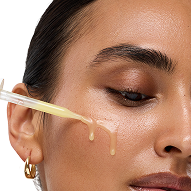
This is where you apply your concentrated formulas. Apply two to three drops of serum onto your fingertips or directly onto your face and neck. Gently press and smooth the liquid over your face and neck rather than rubbing aggressively.
Allow roughly thirty to sixty seconds between layers so the product can settle and feel mostly dry to the touch before you add the next layer.
Support: Moisturizer and Daily Sun Protection
Serums deliver targeted ingredients, but they are not formulated to replace your daily moisturizer. A moisturizer helps reduce transepidermal water loss (TEWL), the water that evaporates from the skin's surface. Applying a cream, facoial oil or lotion over your serums helps reduce moisture loss throughout the day or night. We recommend the Argan Oil 100% Pure or Squalane Oil 100% Pure
In the morning, the final step is a broad-spectrum sunscreen with SPF 30 or higher. UV exposure is a major contributor to visible skin aging and uneven tone. Daily broad-spectrum sunscreen provides UV defense for your skin.
Key Takeaway: Serums deliver targeted active ingredients, while moisturizers help reduce moisture loss and broad-spectrum sunscreen provides daily UV defense.
Layering Common Active Ingredients
Different skincare ingredients have unique properties, pH requirements, and formulation styles. Here is how to sequence the most common active ingredients in your daily regimen.
Vitamin C
Vitamin C is an antioxidant that helps brighten the look of dullness and uneven tone. It also helps defend against oxidative stress caused by environmental factors such as UV exposure and pollution.
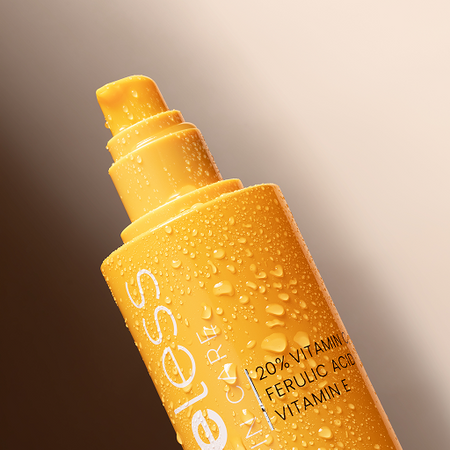
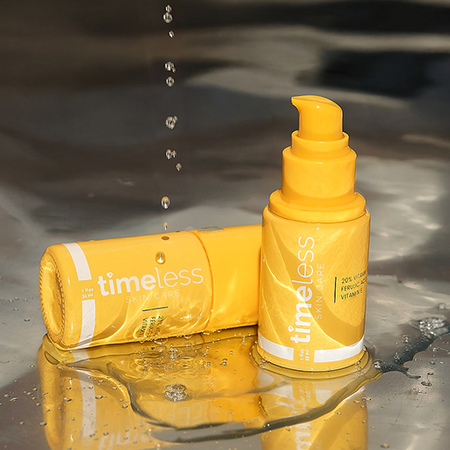
Timeless Skin Care offers the 20% Vitamin C + E Ferulic Acid Serum in its vitamin C serum category.
L-ascorbic acid is the most researched form of vitamin C. L-ascorbic acid is sensitive to air, light and heat. An oxidized serum may turn dark amber and lose potency over time.
Morning use is common, but it is not the only option. If you use vitamin C in the morning, follow with broad-spectrum sunscreen.
Hyaluronic Acid and Humectants
The Hyaluronic Acid 100% Pure is an option in the hyaluronic acid serum category.
Hyaluronic acid is a humectant, not a moisturizer. It helps attract, bind, and retain water in the outer layers of the skin. It helps support hydration in the upper layers of the epidermis and helps improve the appearance of dehydration lines.
Sodium hyaluronate is the sodium salt of hyaluronic acid, while hydrolyzed hyaluronic acid consists of hyaluronic acid broken into smaller fragments.
Apply hyaluronic acid to slightly damp skin after your thinnest active serums. Follow with a moisturizer, which helps reduce moisture loss.
Peptides
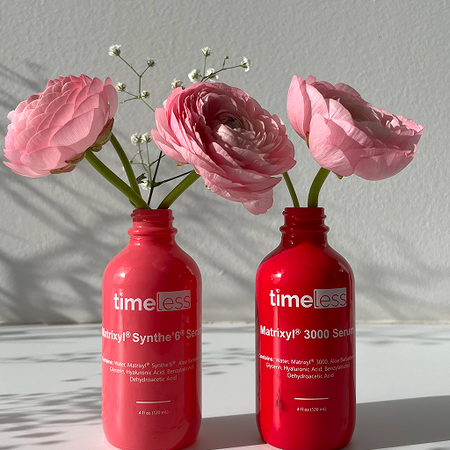
Peptides are short chains of amino acids that may help support the appearance of firmness. Popular peptide complexes, like Matrixyl 3000 and Matrixyl Synthe'6, are often included in routines focused on visible fine lines and texture.
Peptides are generally formulated in water-based serums or light gels with a neutral pH. They can be layered after thin antioxidant liquids and before heavier moisturizers.
Coenzyme Q10 (CoQ10)
The Coenzyme Q10 Serum is an option in the antioxidant serum category.
Coenzyme Q10, or ubiquinone, is a lipid-soluble antioxidant naturally found in the skin. It provides antioxidant support as the skin's natural CoQ10 levels decline with age. It also helps improve the appearance of fine lines and supports firmer-looking skin.
CoQ10 formulas are often slightly richer or emulsion-like due to the lipid-soluble nature of the ingredient. CoQ10 is generally used once daily. Apply CoQ10 serums after watery treatments and before your daily cream.
If you have vitiligo, check with your dermatologist before using a CoQ10 product. Avoid applying CoQ10 formulas to the delicate area directly under the eyes.
Vitamin B5
Vitamin B5 is identified as calcium pantothenate in the supplied formulation. It supports the skin barrier and helps the skin retain moisture. It also helps the skin feel more comfortable.
Because Vitamin B5 is lightweight and water-soluble, it can be applied after cleansing or layered alongside other water-based humectants and peptides.
How Many Serums Can You Layer at Once?
While it is exciting to explore different ingredients, layering too many serums at the same time can create product buildup, leading to pilling and an uneven finish.
Morning Routine
- Cleanse
- Vitamin C, antioxidant
- Hyaluronic acid, hydration
- Moisturizer
- Broad-spectrum sunscreen
Evening Routine
- Cleanse
- Peptide serum, firmness
- Hydrating or barrier serum
- Rich night cream
As a general guideline, limit yourself to two or three serums per routine. Using too many products at once increases the chance of ingredient clashes or cosmetic pilling, where small balls of product roll off your skin.
If you have multiple skin goals, try dividing your ingredients between morning and night rather than stacking everything into a single session.
Strategic AM vs. PM Placement
- Morning Routine Focus: Protection and hydration. Morning routines can include antioxidant serums such as vitamin C and CoQ10. Always finish with broad-spectrum sunscreen.
- Evening Routine Focus: Texture and hydration support. Nighttime can work well for richer peptides, gentle exfoliating acids, and barrier-supporting hydrators that can settle while you sleep.
Avoiding Common Layering Mistakes
Even with quality products, simple application mistakes can hinder your results.
Applying to Completely Dry vs. Damp Skin
Humectants such as hyaluronic acid are often applied to slightly damp skin. Hyaluronic acid helps attract, bind, and retain water in the outer layers of the skin. Low-pH acids and direct vitamin C serums can generally be applied to clean, completely dry skin.
Rushing Between Steps
Applying one product immediately over another can cause formulas to mix improperly on the surface and pill. Give watery formulas thirty seconds to absorb before applying your next gel or emulsion.
Over-Exfoliating
Layering strong chemical exfoliants like glycolic or salicylic acid on the same day as multiple high-strength actives can overwhelm the skin. If your skin feels uncomfortable or looks unusually shiny and red, strip your routine back to a gentle cleanser, a simple hydrating serum, and a rich moisturizer until your skin feels comfortable again.
Individual reactions vary, and anyone with a known sensitivity or diagnosed skin condition should check with their dermatologist before combining multiple active treatments.
Note: If you notice pilling when layering products, reduce the amount of product you use per step and wait one full minute between layers to let each formula absorb.
Setting Realistic Expectations for Your Routine
Achieving visible changes in your complexion takes patience and consistency. Hyaluronic acid helps improve the appearance of dehydration lines. Other cosmetic concerns, such as the look of fine lines, firmness, and uneven tone, may benefit from consistent care.
The appearance of fine lines, skin firmness, and uneven tone may change gradually with consistent use. No single product or layering sequence transforms your skin overnight.
Maintaining a simple, consistent routine built around gentle cleansing, targeted treatment, dependable moisture, and daily broad-spectrum sun protection can support healthy-looking, balanced skin.
Frequently Asked Questions
In what order should I apply multiple face serums?
Apply your serums from the thinnest consistency to the thickest consistency. Water-based formulas should be applied first, followed by thicker gels, emulsions, and anhydrous or oil-based serums. If two serums have the same texture, apply the one that targets your primary cosmetic concern first.
Can I use Vitamin C and Hyaluronic Acid together in the same routine?
Vitamin C and hyaluronic acid can generally be used in the same routine. Apply vitamin C to clean, dry skin, then apply hyaluronic acid. Hyaluronic acid helps support hydration in the upper layers of the epidermis. Follow with moisturizer. When using vitamin C in the morning, finish with broad-spectrum sunscreen.
How long should I wait between applying different serums?
You do not need to wait an extensive amount of time between steps. Waiting thirty to sixty seconds allows the initial serum to absorb and settle on the skin. Once your face feels slightly tacky or mostly dry to the touch, you can apply your next layer to help reduce pilling.
Should I apply facial serums before or after moisturizer?
Serums generally go before your moisturizer. A moisturizer helps reduce transepidermal water loss (TEWL). Applying it over your serums helps reduce moisture loss.