Introduction
Knowing what order to do your skincare can make the difference between a routine that delivers visible changes and one that leaves your skin feeling weighed down. When you invest time and care into your daily regimen, you want every bottle and jar on your shelf to perform properly. Layering your products in the right sequence can help products apply smoothly, starting with lighter textures and moving toward heavier creams or oils.
The world of skincare often feels crowded with complicated multi-step trends and contradictory advice. Some routines suggest ten distinct stages, while others advocate for minimal formulas. Regardless of how many steps you choose to include, the foundational rules of application remain generally consistent.
Timeless Skin Care was founded in 2009 by Veronica Pedersen to focus on simple formulations. All formulas are made in the USA in small batches. Understanding how to organize those ingredients during your morning and evening routines is the first step toward building a healthy, sustainable habit. Learn more about Timeless Skin Care.
Quick Answer: Apply your skincare products starting with the lightest, water-based textures and finish with the thickest creams or oils. In the morning, always complete your routine with a broad-spectrum sunscreen.
The Core Rule: Thinnest to Thickest Texture
The golden rule of skincare layering is simple: apply your products in order of consistency, moving from the thinnest texture to the thickest. Water-based liquids go on first, followed by light gels, fluid serums, richer lotions, dense creams, and finally facial oils.
This approach reflects how different formulations interact with the outer surface of your skin. Lightweight, water-soluble products spread quickly across the skin. If you apply a dense, oil-rich moisturizer first, it may make it harder for a water-based toner or serum to apply evenly, leading to product waste and potential pilling.
| Product Texture | Formulation Base | Typical Step in Routine | Primary Function |
|---|---|---|---|
| Watery Liquid | Water | Immediately after cleansing | Balances surface pH and provides initial hydration |
| Light Fluid / Gel | Water | Early serum step | Delivers targeted water-soluble active ingredients |
| Viscous Serum | Water or light emulsion | Middle treatment step | Targets specific cosmetic concerns like dullness or texture |
| Lotion or Cream | Oil-in-water emulsion | Late routine step | Softens skin and supports moisture retention |
| Facial Oil | Lipid base | Final evening step | Conditions the surface and helps reduce moisture loss |
By respecting this progression, you give each layer the space it needs to apply smoothly. You also help prevent heavier formulas from rolling up into small flakes when you layer subsequent products over them. For additional routine guidance, explore the skincare quiz.


Morning Skincare Order Step by Step
Your morning routine serves a specific purpose: daytime preparation and antioxidant support. During the day, your skin encounters environmental stressors like sunlight, wind, and city pollution. Your morning steps should focus on hydration, environmental defense, and sun protection.
Step 1: Gentle Cleanser
Begin your day by washing your face with a mild, non-stripping cleanser and lukewarm water. Overnight, your skin accumulates natural oils, shed skin cells, and residue from your evening skincare products. A gentle wash creates a clean slate for your morning layers without disrupting your skin barrier. If your skin feels particularly dry when you wake up, a simple rinse with clean water may be sufficient.
Step 2: Hydrating Toner or Mist
If you choose to use a toner, apply it right after cleansing while your skin remains slightly damp. Modern toners are designed to refresh the skin surface and restore comfort. Avoid formulas that contain high percentages of drying alcohol, as these can leave your skin feeling tight and irritated.
Step 3: Water-Based Antioxidant Serums
Serums containing antioxidants are standard additions to a daytime routine because they work well alongside daily sun protection. Vitamin C is one of the most researched options in this category. Topical vitamin C helps defend against oxidative stress caused by environmental factors such as UV exposure and pollution. It also helps brighten the look of dullness and uneven tone.
When using a water-based antioxidant serum, pat a few drops gently over your face and neck, allowing it to dry down before moving to your next layer. Morning use is the most common recommendation for antioxidant serums. It should always be paired with broad-spectrum sunscreen. This supports the skin's antioxidant defenses.
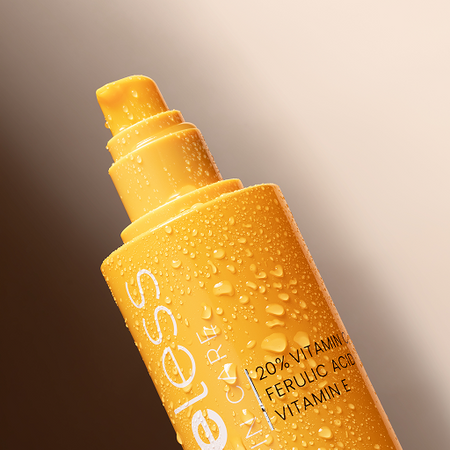
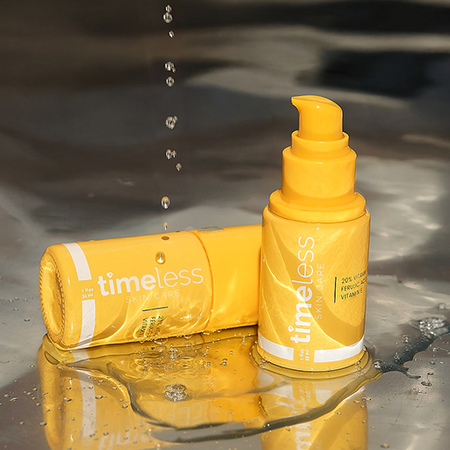
The 20% Vitamin C + E Ferulic Acid Serum belongs to the vitamin C category.
Step 4: Hydrating and Peptide Serums
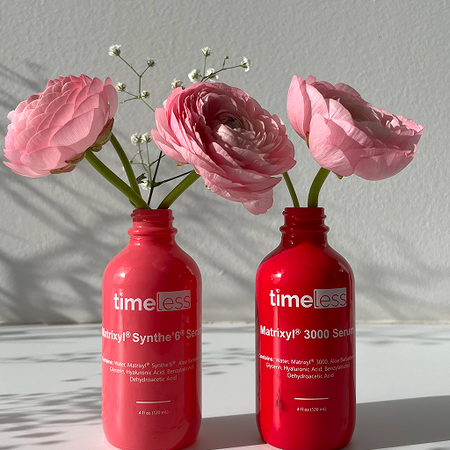
After your initial active serum absorbs, you can apply secondary hydration or peptide treatments. Ingredients like hyaluronic acid are classified as humectants. Hyaluronic acid is a humectant, not a moisturizer. It helps attract, bind, and retain water in the outer layers of the skin. It also helps support hydration in the upper layers of the epidermis and helps improve the appearance of dehydration lines.
Humectant serums can be layered over skin that is slightly damp from a facial mist or your previous water-based step. Peptides may help support the appearance of firmness and can be applied during this phase of your routine.
The Hyaluronic Acid 100% Pure product belongs to the hydration category.
Step 5: Eye Cream
The skin surrounding the eyes is naturally thinner than the rest of the face and can show dryness or puffiness more readily. If you use a dedicated eye product, tap a small amount around the orbital bone using your ring finger.
Applying your eye cream before your facial moisturizer ensures that the lighter eye formulation reaches the skin directly.
The Dark Circle Peptide Complex Eye Cream falls under the eye care category.
Step 6: Daily Moisturizer
A daily moisturizer helps reduce transepidermal water loss (TEWL), the water that evaporates from the skin's surface. It also helps reduce moisture loss throughout the day, leaving your face feeling supple and smooth.
- Choose a lightweight lotion or gel cream if you have oily or combination skin.
- Select a richer cream if your skin tends toward dryness or flakiness.
- Smooth the moisturizer evenly over your face, neck, and chest using gentle upward motions.
Step 7: Broad-Spectrum Sunscreen
Sunscreen is the mandatory final step of every morning skincare routine. No skincare routine is complete without broad-spectrum protection against ultraviolet radiation. Apply a generous amount of broad-spectrum sunscreen with an SPF rating of 30 or higher as your last skincare layer. Allow your moisturizer to set for one to two minutes before applying your sunscreen so the sunscreen can form an even, protective film over the skin.
Key Takeaway: Morning skincare is all about environmental defense. Keep your steps structured: cleanse, apply antioxidant and hydrating serums, moisturize, and finish with a broad-spectrum sunscreen.
Evening Skincare Order Step by Step
While your morning routine focuses on daily protection, your evening routine is dedicated to thorough cleansing, restoring comfort, and applying richer leave-on treatments.
Step 1: First Cleanse or Makeup Removal
If you wear makeup, tinted creams, or water-resistant sunscreen during the day, a single cleanse may not fully remove everything from the skin's surface. An evening double cleanse begins with an oil-based cleanser, cleansing balm, or micellar water. These formulas dissolve stubborn surface oils, pigments, and silicones without requiring aggressive scrubbing.
Step 2: Water-Based Cleanser
Follow your makeup remover with a gentle water-based facial cleanser. This second wash removes remaining sweat, debris, and any residual oil left behind by your first cleanser. Massage the lather over your skin for roughly thirty to sixty seconds, then rinse thoroughly with lukewarm water and pat your face dry with a clean towel.
Step 3: Exfoliants or Targeted Treatments
Evening can be a practical time to incorporate chemical exfoliants such as alpha hydroxy acids, like glycolic or lactic acid, or beta hydroxy acids, like salicylic acid. These ingredients help loosen dead surface skin cells, improving the look of rough texture and uneven tone.
Exfoliants are often limited to two or three nights per week rather than used daily. If you are using prescription topicals or cosmetic retinoids, apply them during this step on clean, dry skin, alternating nights if you also use exfoliating acids to avoid overwhelming your skin barrier.
Step 4: Nourishing Serums
Layer your restorative serums over your skin after your treatments have settled. Vitamin B5 can fit into an evening routine. Vitamin B5 supports the skin barrier and helps the skin retain moisture. It helps the skin feel more comfortable.
Coenzyme Q10 can also be used in the evening and is generally used once daily. Ubiquinone is a lipid-soluble antioxidant naturally found in skin. It provides antioxidant support as the skin's natural CoQ10 levels decline with age. It helps improve the appearance of fine lines and supports firmer-looking skin. Learn more in Coenzyme Q10: What Is It, How to Use It, and When to Use It.
If you have vitiligo, check with your dermatologist before using a CoQ10 product. Do not apply CoQ10 products directly under the eyes.
Step 5: Night Cream or Rich Moisturizer
Your skin experiences higher rates of moisture evaporation while you sleep. A night cream is often slightly richer than a daytime lotion, providing emollient lipids that help reduce transepidermal water loss (TEWL), the water that evaporates from the skin's surface. Smooth a generous layer over your face and neck.
Step 6: Facial Oil (Optional)
If your skin is prone to persistent dryness, you can finish your evening routine with a few drops of a facial oil. Because oils are lipid-based, they can condition dry patches and help reduce moisture loss. Warm two to three drops between your palms and press the oil gently over your moisturizer.
Layering Multiple Active Ingredients Safely
When building a complete skincare routine, you might want to address multiple skin concerns at once, such as uneven tone, surface dehydration, and fine lines. Layering multiple active ingredients requires thoughtful planning so that your skin remains comfortable. For more guidance, read How to Layer Multiple Serums.
Understanding Ingredient Conflicts and Spacing
Certain active ingredients can cause visible redness or sensitivity when layered directly on top of one another in the same routine session. Rather than applying every strong active ingredient at once, consider dividing them between your morning and evening routines or alternating them across different days of the week.
- Vitamin C and Direct Exfoliating Acids: Both L-ascorbic acid and alpha hydroxy acids require low pH environments to function effectively. Layering them back-to-back can increase the likelihood of surface irritation. Use vitamin C in your morning routine and save your exfoliating acids for evening use.
- Retinoids and Chemical Exfoliants: Using a retinoid on the same night as a strong glycolic or salicylic acid peel can leave the skin feeling raw or reactive. Use your retinoid on designated nights and your chemical exfoliant on alternate evenings.
- Humectants and Barrier Support: Ingredients like hyaluronic acid and vitamin B5 may be combined with morning antioxidants and evening exfoliating treatments, depending on how your skin responds.
Note: Individual skin reactions vary widely based on your natural barrier strength and environmental climate. Anyone with a known sensitivity or diagnosed skin condition should check with their dermatologist before introducing new concentrated ingredients.
Realistic Expectations and Consistency
When you begin following a structured skincare routine, it is natural to want immediate changes in your complexion. However, real cosmetic results require patience, consistency, and realistic expectations.
The outer layer of human skin naturally turns over on a gradual cycle. Because of this continuous biological process, topical skincare products do not transform your skin overnight. Humectants like hyaluronic acid provide surface hydration, while ingredients that address the appearance of uneven tone, fine lines, and skin firmness may require steady use over time to show visible improvements.
Skincare products work cosmetically to support the skin surface, improve texture, and maintain hydration. They do not repair skin tissue, alter underlying cellular structures, or cure medical dermatological conditions. Factors such as genetics, daily water intake, sleep quality, stress levels, and consistent sun protection habits all play a role in how your skin looks over time.
Use your chosen routine consistently before deciding whether a product is working for you. Introduce only one new formula at a time so that you can observe how your skin responds to each individual addition.
Frequently Asked Questions
How long should I wait between applying each skincare step?
In most cases, you do not need to wait several minutes between steps. You can proceed to your next product as soon as the previous layer feels absorbed and no longer slippery on your skin. The primary exception is broad-spectrum sunscreen. Allow your daytime moisturizer to dry completely for one to two minutes before applying your sunscreen layer so the sunscreen can form an uninterrupted protective coating across your face.
Can I skip toner and eye cream in my daily routine?
Yes, toners and eye creams are optional steps. A basic daytime routine can include a gentle cleanser, a moisturizer, and broad-spectrum sunscreen. Serums, toners, eye creams, and face oils are customizable additions designed to address specific cosmetic concerns like dehydration, dark circles, or dull skin tone.
What should I do if my skincare products start pilling?
Skincare pilling occurs when products ball up into small flakes instead of applying smoothly to the skin. This usually happens when you apply formulas in the wrong order, layer water-based products over heavy silicone or oil bases, apply too much product at once, or do not allow a thicker cream to settle before adding sunscreen or makeup. To prevent pilling, apply products from thinnest to thickest consistency and reduce the total amount of product you use per step.
Should I apply my hyaluronic acid serum on wet or dry skin?
Apply it to skin that is slightly damp from cleansing, a facial mist, or a hydrating toner. Hyaluronic acid is a humectant, not a moisturizer. It helps attract, bind, and retain water in the outer layers of the skin. It helps support hydration in the upper layers of the epidermis and helps improve the appearance of dehydration lines. For ingredient definitions, visit the Ingredient Glossary.