Introduction
Building a skincare routine often starts with excitement, followed quickly by confusion. When you stand in front of your bathroom mirror with multiple bottles, jars, and droppers, figuring out what goes first can feel overwhelming. Many people wonder whether serum belongs before or after moisturizer, or where facial oils fit into the sequence.
The order in which you apply your products can affect their cosmetic performance. Skincare formulas contain different vehicle bases, molecular weights, and concentrations. When you layer products out of sequence, heavier formulas may make it harder for lighter ones to spread evenly across the skin's surface.
A thoughtful routine does not require a dozen steps to deliver visible results. Veronica Pedersen founded Timeless Skin Care in 2009 to focus on effective, simple formulations made in the USA in small batches. Knowing how to arrange each product can help keep your daily regimen manageable. Learn more about Timeless Skin Care.
Quick Answer: Apply your products in order of consistency, moving from the thinnest, water-based textures to the thickest, oil-rich creams. Complete your morning routine with broad-spectrum sunscreen and reserve heavier barrier products for the evening.
The Core Rules of Product Layering
Understanding the basic principles of formulation textures removes the guesswork from skincare layering. You do not need to memorize every single product interaction if you follow three fundamental rules of thumb. For additional guidance, read about layering multiple serums.
Rule 1: Thinnest to Thickest Texture
Cosmetic products range from watery liquids to dense balms. Watery fluids spread quickly across the skin's surface. Thicker creams contain higher concentrations of lipids and conditioning agents that form a continuous film.
Applying a rich cream before a light fluid may make it harder for the fluid to contact the skin evenly. Layering from thinnest consistency to thickest allows lighter liquids to spread with less interference.
Rule 2: Water Before Oil
Water and oil naturally repel each other. Water-soluble formulas may not easily move through an oil-rich layer. If you apply a facial oil or a heavy balm first, any water-based hydrator applied on top may sit over the oil film.
Apply water-based toners, essences, and water-soluble serums first. Once those absorb, follow with oil-based serums, moisturizers, and face oils.
Rule 3: Function Dictates Morning vs. Evening Placement
Your skin faces different environmental demands during the day than it does while you sleep. Morning routines focus on daytime defense against external elements, while evening routines focus on surface cleansing and nighttime hydration.
| Morning Routine Focus | Evening Routine Focus |
|---|---|
| Cleansing away overnight oils | Removing makeup, dirt, and daily grime |
| Supporting the skin against environmental exposure | Applying targeted nighttime active ingredients |
| Delivering lightweight surface hydration | Hydrating with richer textures |
| Finishing with daily broad-spectrum sun protection | Supporting skin barrier recovery during rest |


Step-by-Step Morning Skincare Routine Order
A proper morning regimen prepares your skin for the day ahead. Daytime exposure to sunlight and ambient pollutants requires an intentional sequence of protective and hydrating layers. For help creating a personalized skincare routine, consider using the skincare quiz.
-
Cleanser
Start by washing your face with lukewarm water or a gentle water-based cleanser. Morning cleansing removes sweat, excess sebum produced overnight, and residue from evening treatments. If you have very dry skin, a gentle splash of water may be sufficient. -
Toner or Facial Mist (Optional)
Modern toners can help balance surface hydration and remove lingering residue after cleansing. Toners formulated with humectants can support surface hydration. -
Antioxidant Serum
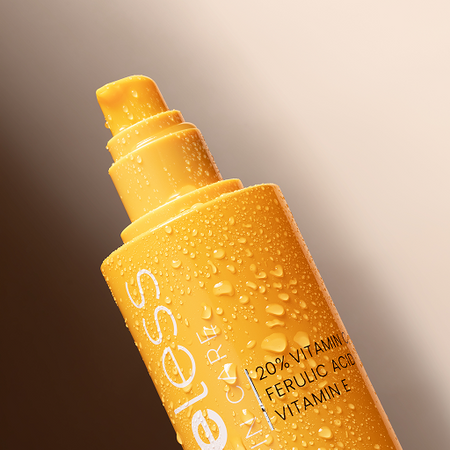
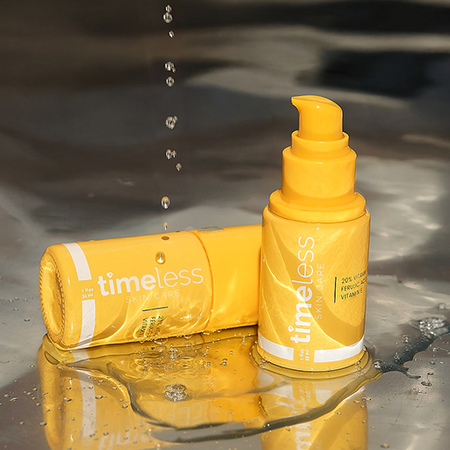
Morning use is common for antioxidant application, but it is not the only option. An antioxidant serum supports the skin's antioxidant defenses. Vitamin C is a widely researched water-soluble antioxidant that helps brighten the look of dullness and uneven tone. Topical antioxidants help defend against oxidative stress caused by environmental factors such as UV exposure and pollution. If you use vitamin C in the morning, pair it with broad-spectrum sunscreen. An option in the antioxidant category is 20% Vitamin C + E Ferulic Acid Serum. -
Hydrating Serum
After your antioxidant layer absorbs, apply a hydrating serum. Hyaluronic acid is a humectant. It helps attract, bind, and retain water in the outer layers of the skin. Sodium hyaluronate is the sodium salt of hyaluronic acid. It helps support hydration in the upper layers of the epidermis. If you prefer a dedicated hydrating option, one product in this category is Hyaluronic Acid 100% Pure. -
Eye Cream (Optional)
The skin surrounding the eyes is thinner than facial skin elsewhere. If you use a dedicated eye product, apply a small amount before your facial moisturizer. Using your ring finger, gently pat the product along the orbital bone without pulling the delicate skin. -
Moisturizer
A daily moisturizer helps reduce moisture loss throughout the day. For daytime wear under makeup and sunscreen, lightweight lotions or gel-creams work well for many skin types. Moisturizer helps reduce transepidermal water loss (TEWL), the water that evaporates from the skin's surface. -
Broad-Spectrum Sunscreen
Sunscreen is the final step of every morning skincare routine. Apply a generous layer of broad-spectrum sunscreen with an SPF rating of 30 or higher to your face, neck, and ears. Sunscreen must sit as the outermost functional layer on the skin to shield against ultraviolet radiation.
Key Takeaway: Sunscreen must always be the final step of your daytime skincare routine. Applying serums or moisturizers over sunscreen can disrupt the protective film and reduce its UV-blocking efficiency.
Step-by-Step Evening Skincare Routine Order
At night, the focus shifts toward thoroughly cleansing the skin and replenishing hydration while you rest. The evening routine allows for richer textures and targeted ingredients that may be sensitive to sunlight.
-
First Cleanse (Makeup and Sunscreen Removal)
If you wear long-wearing makeup or water-resistant sunscreen, begin with an oil-based cleanser, cleansing balm, or micellar water. This step breaks down stubborn surface oils and cosmetic pigments without aggressive scrubbing. -
Second Cleanse (Water-Based Wash)
Follow your initial makeup removal with a gentle water-based facial cleanser. This second step removes water-soluble debris, residual cleanser, and environmental impurities, leaving the skin clean and receptive to leave-on products. -
Exfoliant (1 to 3 Times Weekly)
Chemical exfoliants containing alpha hydroxy acids, such as glycolic or lactic acid, or beta hydroxy acids, such as salicylic acid, loosen dead surface cells. Use chemical exfoliants on clean, dry skin after cleansing. Limit exfoliation to a few nights per week to maintain a comfortable skin barrier. -
Targeted Treatment Serums
Nighttime can be useful for focused treatments, such as peptide formulas, specialized humectants, or retinoids. Peptides may help support the appearance of firmness. CoQ10 provides antioxidant support as the skin's natural CoQ10 levels decline with age. It helps improve the appearance of fine lines and supports firmer-looking skin. If you have vitiligo, check with your dermatologist before using a CoQ10 product. -
Eye Cream
Apply your eye contour treatment in the evening as part of your routine. A product in this category is Dark Circle Peptide Complex Eye Cream. -
Night Moisturizer or Barrier Cream
Night creams are often richer than daytime lotions. Ingredients such as ceramides, squalane, and fatty acids reinforce the skin barrier and help the skin retain moisture. Vitamin B5 supports the skin barrier and helps the skin retain moisture. It helps the skin feel more comfortable. -
Facial Oil (Optional)
If your skin feels particularly dry or dehydrated, you can pat a facial oil over your moisturizer as an optional final layer.
How to Layer Specific Active Ingredients
Layering multiple active ingredients requires basic knowledge of formulation characteristics. Using too many potent ingredients in the same routine may lead to unwanted redness or skin sensitivity.
Water-Soluble vs. Lipid-Soluble Ingredients
Formulations behave differently based on their solubility:
- Water-Soluble Ingredients: Formulations containing L-ascorbic acid, sodium hyaluronate, and various peptides dissolve in water bases. These lightweight serums go onto freshly cleansed skin first.
- Lipid-Soluble Ingredients: Ingredients such as ubiquinone, or CoQ10, and facial oils require lipid carriers. These emulsions and oils apply after watery hydrators.
Managing pH and Stability
Certain active ingredients perform best at specific pH levels. L-ascorbic acid is formulated at an acidic pH. When using an acidic vitamin C serum alongside other treatments, layer neutral-pH hydrating products after it.
Oxidation of L-ascorbic acid is a gradual process that occurs when the formula faces ongoing exposure to light and air. An oxidized serum may lose potency and may increase the likelihood of irritation for some people. Store delicate serums in a cool, dark location to help extend their shelf life.
Alternating Strong Ingredients
Rather than layering every active ingredient at the same time, consider dividing them between morning and evening, or alternating nights.
- Morning: Use an antioxidant serum that helps neutralize free radicals generated by UV exposure, paired with hydration and daily SPF.
- Evening: Rotate between exfoliating acids on certain nights and peptide or retinoid serums on alternate nights.
- Sensitive Skin Consideration: Individual reactions vary. Anyone with a known sensitivity or diagnosed skin condition should check with their dermatologist before introducing new combinations.
Realistic Expectations and Result Timelines
Skincare requires patience and consistency. While humectant serums can provide surface hydration and may help improve the appearance of dehydration lines, deeper cosmetic changes take time.
Cosmetic improvements in skin tone, visible firmness, and texture occur gradually as your skin moves through its natural renewal cycle. Consistent daily use alongside diligent sun protection can support the appearance of tone, firmness, and texture.
Every individual responds differently to topical ingredients based on genetics, baseline hydration, climate, and daily habits. Adjust your routine based on how your skin feels. If your skin feels tight or looks red, scale back to a simple routine consisting of a gentle cleanser, a basic moisturizer, and sunscreen.
Note: Skincare products cannot alter underlying biological structures, cure dermatological conditions, or produce instantaneous transformations. Sustainable progress comes from gentle, regular care tailored to your unique skin profile.
Frequently Asked Questions
How long should I wait between applying each skincare step?
You do not need to wait extended periods between most routine steps. As a general guideline, allow each serum or lotion thirty to sixty seconds to settle onto the skin so it does not pill when the next layer is applied. Sunscreen should be allowed to set for a few minutes before applying makeup over it.
Can I mix my serum into my moisturizer to save time?
Mixing your serum directly into your moisturizer is generally not recommended. Moisturizers contain emulsifiers, thickeners, and occlusives that can interfere with the direct surface absorption of lighter serum ingredients. Applying your serum directly to clean skin before your moisturizer keeps the products separate.
Is a morning cleanser necessary if I washed my face at night?
Whether to use a cleanser in the morning depends on your individual skin type. If you have oily or combination skin, a gentle morning cleanser helps remove excess sebum and nighttime product residue. If you have dry or sensitive skin, rinsing your face thoroughly with lukewarm water in the morning may be sufficient.
Where do targeted treatments fit into a skincare routine?
Targeted treatments are generally applied after cleansing and toning, directly onto clean skin. Allow the treatment to settle before applying moisturizer over the rest of your face.