Introduction
Standing before a bathroom counter filled with bottles, droppers, and jars can feel daunting. Knowing which formulas to apply first can make a routine feel more organized.
The sequence of your skincare products can affect how each formula feels on your skin. Applying incompatible textures can also cause formulas to ball up, pill, and slide off.
Understanding what is the correct order of skincare does not require an aesthetician license or a complex ten-step regimen. A few foundational rules regarding texture, formulation base, and function can help you build a routine that fits your daily schedule.
Quick Answer: Skincare generally follows the rule of thinnest to thickest consistency. Cleanse first, apply thin water-based serums, layer on richer creams, and finish with broad-spectrum sunscreen in the morning or a moisturizer at night.
Founded in 2009 by Veronica Pedersen, Timeless Skin Care focuses on clean, concentrated formulations made in the USA in small batches. Learn more about the company on the About page. This guide covers how to layer your morning and evening routines for smooth, comfortable skin.
Core Rules for Layering Skincare Products
Skincare layering follows basic chemistry and physical properties. Layering formulas randomly can waste your investment and leave your skin feeling congested.
1. Thinnest to Thickest Texture
The primary rule of skincare layering is moving from fluid textures to dense ones. Lightweight liquids spread easily across the skin, while heavier creams are designed to linger on the surface.
Starting with fluid toners and watery serums before applying richer emulsions can help keep the routine orderly.
2. Water Bases Before Oil Bases
Water and oil do not mix naturally without emulsifiers. When building your regimen, water-based products generally precede lipid-rich oils.
Water-based formulas distribute humectants across the skin surface. Face oils and oil-rich balms function on the upper stratum corneum to condition the surface. Applying water over an oil may cause the water to bead up rather than settle evenly.
3. pH and Active Ingredient Priority
Certain active ingredients perform best within specific pH environments. Direct forms of vitamin C such as L-ascorbic acid are used in acidic formulations.
Some routines place acidic treatments immediately after cleansing and drying, before neutral lotions.
| Product Format | Primary Base | Placement in Routine | Primary Function |
|---|---|---|---|
| Cleanser | Water or Oil | Step 1 (AM/PM) | Removes debris, excess surface sebum, and residual product |
| Toner / Essence | Water | Step 2 (AM/PM) | Prepares surface hydration and balances skin feel |
| Water-Based Serum | Water | Step 3 (AM/PM) | Delivers concentrated functional ingredients |
| Eye Treatment | Emulsion | Step 4 (AM/PM) | Targets delicate skin around the orbital bone |
| Moisturizer | Oil-in-Water Emulsion | Step 5 (AM/PM) | Conditions the surface and helps reduce moisture loss |
| Face Oil | Lipid / Anhydrous | Step 6 (PM) | Adds richness to dry skin types |
| Sunscreen | Mineral / Chemical | Step 6 (AM) | Shields skin from ultraviolet radiation |


The Step-by-Step Morning Skincare Routine
Your daytime skincare routine focuses on preparation, surface hydration, and environmental defense. The goal is to support the skin against daily environmental elements while maintaining comfortable hydration.
Step 1: Cleanser
Morning cleansing removes excess surface oil, sweat, and leftover nighttime treatments.
- Dry to normal skin types often do well with a gentle, non-foaming cream or gel wash.
- Oily and combination types may prefer a mild foaming cleanser that rinses away excess sebum without leaving the skin feeling tight.
Splash your face with lukewarm water. Massage the cleanser in circular motions for thirty seconds, then rinse thoroughly and pat dry with a clean cotton towel.
Step 2: Hydrating Toner or Mist
Modern toners do not resemble the harsh, alcohol-laden astringents of past decades. A modern toner or essence helps prep the skin surface.
A hydrating mist or essence can help support surface hydration. Spritz the liquid evenly across your face or press it into the skin with clean hands while your face remains slightly damp.
Step 3: Antioxidant Serum
Morning is a common time to apply an antioxidant serum. A well-formulated antioxidant serum helps defend against oxidative stress caused by environmental factors such as UV exposure and pollution.
Vitamin C is one of the most researched options in this category. Topical L-ascorbic acid helps brighten the look of dullness and uneven tone. It supports the skin's antioxidant defenses alongside your daily sun protection.
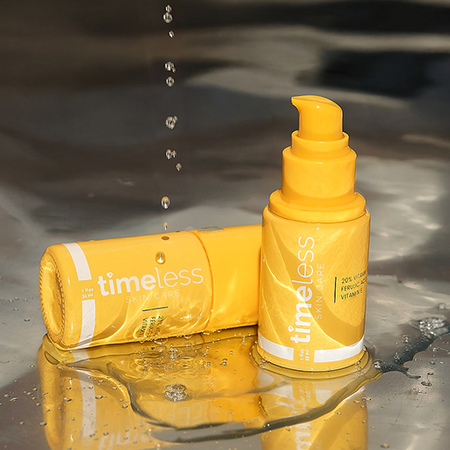
For this category, see the 20% Vitamin C + E Ferulic Acid Serum and the Vitamin C line.
Step 4: Eye Cream
The skin surrounding the eye contour is thinner than the rest of the facial skin. Applying eye cream before your facial moisturizer allows the eye formulation to reach the targeted zone. Explore the eye cream collection for available options.
Dab a small pea-sized amount onto the ring finger. Gently tap along the orbital bone, moving from the inner corner outward. Avoid getting the product directly into the eye or applying it too close to the lower lash line.
Step 5: Lightweight Moisturizer
Daytime moisturizers should soften the skin without feeling greasy under cosmetic products. A daily lotion helps reduce transepidermal water loss (TEWL), the water that evaporates from the skin's surface.
Smooth a nickel-sized amount over the face and neck. If your skin is naturally oily, you may prefer an oil-free gel containing humectants to maintain surface hydration.
Step 6: Broad-Spectrum Sunscreen
Sunscreen is the final step of every morning skincare routine. Apply broad-spectrum sunscreen to help shield the skin from UVA and UVB rays.
- Apply a generous amount, roughly two finger lengths for the face and neck.
- Select a broad-spectrum formula with SPF 30 or higher.
- Allow the sunscreen to dry down for three to five minutes before applying makeup.
Never mix your sunscreen directly into your moisturizer or foundation. Blending formulas can dilute the UV filters and compromise the protective film.
Key Takeaway: Keep morning steps light, layer watery antioxidants first, and always conclude with broad-spectrum daily sunscreen.
The Step-by-Step Evening Skincare Routine
Your evening routine shifts focus from environmental defense to thorough cleansing, targeted treatments, and surface hydration.
- First Cleanse: Remove makeup, surface pollutants, and stubborn sunscreen using an oil-based balm or micellar liquid.
- Second Cleanse: Wash the skin thoroughly with a gentle water-based gel or cream cleanser to leave the surface fresh.
- Exfoliation or Active Solution: Apply chemical exfoliants or specialized night treatments to clean, dry skin.
- Hydrating Serums: Layer hydrating serums and peptides.
- Eye Care: Apply a nourishing eye cream to maintain moisture around the orbital contour overnight.
- Night Cream: Smooth a rich moisturizer across the face to help reduce moisture loss during sleep.
Double Cleansing Explained
Double cleansing can help remove long-wear sunscreen and cosmetic pigments without aggressive scrubbing.
Begin with dry hands and a dry face. Massage a cleansing oil or cleansing balm over the skin to break down oil-soluble substances. Add warm water to emulsify the oil into a milky liquid, then rinse clean. Follow immediately with your standard water-based cleanser to lift remaining residues.
Incorporating Peptides and Humectants
Nighttime is a suitable period to layer multitasking peptide serums. Peptides may help support the appearance of firmness over time when used with consistency.
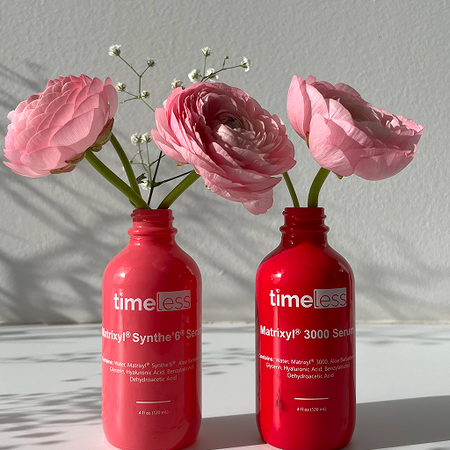
Hyaluronic acid is a humectant that helps improve the appearance of dehydration lines. For a hyaluronic acid product, see the Hyaluronic Acid 100% Pure option in our hydration category. For more information about peptide formulas, see the Matrixyl® 3000 Serum.
Retinoids and Exfoliating Acids
Potent active ingredients require careful scheduling. Direct acids such as glycolic, lactic, or salicylic acid and topical retinoids may be rotated rather than used simultaneously.
- Use chemical exfoliants one to three nights per week to gently sweep away dead surface skin cells.
- Use retinoid treatments on alternating evenings to avoid overwhelming your moisture barrier.
- If your skin feels sensitive, pause active treatments and focus on hydration and barrier support.
How to Layer Multiple Serums Without Irritation
Using more than one serum allows you to address multiple cosmetic concerns simultaneously. However, stacking several concentrated formulas requires a thoughtful strategy. For additional guidance, read how to layer multiple serums.
Limit Your Active Treatments
Applying too many concentrated formulas in a single session can increase the likelihood of redness and flaking. Keep your active treatments to one or two per routine.
For example, use an L-ascorbic acid serum in your morning routine and save your exfoliating acids or retinoids for the evening. This separation can help limit overlap and irritation.
Layer by Viscosity
When layering two serums in the same routine, check the thickness of each liquid:
- Apply thin, watery solutions first.
- Follow with slightly viscous, gel-like serums.
- Finish with milky or emulsion-style serums.
Allow roughly thirty to sixty seconds between layers. You do not need extended waiting periods, but giving each liquid a moment to settle can help prevent formulas from pilling together on the skin.
Understanding Ingredient Pairings
Certain cosmetic ingredients can be used together within the same routine:
- Hyaluronic acid can be used alongside vitamin C, peptides, and retinoids.
- Peptides can be used alongside hydrating ingredients like vitamin B5. Vitamin B5 supports the skin barrier and helps the skin retain moisture while helping the skin feel more comfortable.
- Coenzyme Q10 provides antioxidant support as the skin's natural CoQ10 levels decline with age. It helps improve the appearance of fine lines and supports firmer-looking skin.
If you have vitiligo, check with your dermatologist before using a CoQ10 product.
Note: One ingredient does not enhance or activate another ingredient's performance. Each formula works within its own formulation parameters to provide cosmetic benefits.
Setting Realistic Expectations for Skincare Results
Skincare is an ongoing practice rather than an immediate fix. The outermost layer of human skin naturally turns over, and this cycle can slow as we mature.
Visible changes in surface texture, luminosity, and firmness take time. You may notice improvements in skin comfort and surface hydration with consistent moisturizing. Improvements in the appearance of fine lines, skin tone uniformity, and firmness can require consistent daily use.
Individual skin responses vary widely based on genetics, climate, stress levels, and overall skin health. Introducing five new products at once makes it impossible to identify which formula is delivering results or causing a reaction. Introduce one new formula at a time.
If you experience unexpected redness or persistent irritation, check with your dermatologist.
Frequently Asked Questions
Do I need to wait between applying different skincare steps?
You do not need to wait lengthy periods between most skincare steps. Applying water-based serums to slightly damp skin can assist with spreading and surface comfort. However, allow your formulas thirty to sixty seconds to settle so they do not slide around. The main waiting period is with sunscreen: allow your sun protection to set for three to five minutes before applying face makeup over it.
Can I use the same moisturizer for both morning and evening?
Yes, a simple, well-formulated moisturizer can serve as both your daytime and nighttime lotion. However, daytime skin often benefits from lighter lotions that wear comfortably under makeup and sunscreen, whereas evening routines can accommodate richer creams that provide heavier surface emollience while you sleep. Ensure your daytime moisturizer does not contain unstable night actives if you plan to wear it in the sun.
What should I do if my skincare products start pilling?
Pilling occurs when products form small balls on the surface rather than spreading smoothly. This usually happens when a water-based formula is layered on top of an oil-based formula, when too much product is applied at once, or when formulas contain high levels of film-forming polymers and silicones. To resolve pilling, apply lighter textures first, reduce the amount of product used per layer, and gently press products into the skin instead of rubbing vigorously.
How do I know if I should put eye cream before or after moisturizer?
Eye cream should generally go on before your facial moisturizer. Eye creams are formulated with lightweight consistencies designed for the fragile orbital area. Applying a thick facial moisturizer first can block the lighter eye product from contacting the skin evenly. Placing your eye cream after your serum step helps it stay in contact with the skin evenly.