Introduction
Building an effective daily regimen often comes down to timing and sequence. Even well-formulated products cannot deliver their full benefits if they cannot reach the skin surface properly. When applied haphazardly, thick creams can block lighter liquids, while incompatible formulas can cause pilling or unwanted dryness. Understanding the correct skincare routine order helps you organize each step of your daily care.
At Timeless Skin Care, founded in 2009 by Veronica Pedersen, the focus has always been on simple formulas with high concentrations of active ingredients. Our products are made in the USA in small batches to maintain freshness and quality. Knowing how to layer these targeted formulations allows your regimen to work smoothly without unnecessary complexity.
Quick Answer: The fundamental rule of skincare layering is to apply products from thinnest consistency to thickest texture, finishing with broad-spectrum sunscreen in the morning and a dedicated moisturizer at night.
Personalizing your approach requires understanding how different textures interact with your skin. Whether your routine contains three steps or six, applying products in their proper sequence can help each formula layer smoothly.
The Core Rules of Skincare Layering
Layering products does not need to feel complicated. The sequence follows basic principles regarding product weight, water content, and barrier function.
Thinnest to Thickest Consistency
Lightweight liquid formulas are generally placed before thicker products. If you apply a dense oil or heavy cream first, watery solutions may not layer as easily. Moving progressively from lightweight liquids to viscous serums, lotions, and rich creams allows each layer to settle properly.
Water-Based Before Oil-Based
Water and oil naturally repel one another. Water-soluble formulas, including hydrating toners and lightweight serums, are generally applied before facial oils or heavy emulsions. Applying an oil-based product first may make it harder to layer water-based products smoothly.
Actives and pH Considerations
Some targeted actives are used in formulations with specific characteristics. Water-soluble antioxidants like L-ascorbic acid are used in acidic formulations. Apply low-pH treatments to clean, dry skin before neutral or buffered moisturizers.
| Step Type | Formula Characteristic | Primary Function |
|---|---|---|
| Cleanser | Water or oil-surfactant base | Removes surface debris, excess sebum, and makeup |
| Toner or Essence | Water-light liquid | Balances surface and preps skin for treatment |
| Target Serum | Fluid or light gel | Delivers concentrated cosmetic ingredients |
| Moisturizer | Emulsion, lotion, or cream | Softens skin and helps reduce moisture loss |
| Occlusive / Oil | Lipid blend | Minimizes water evaporation from outer layers |
| Sunscreen | Mineral or chemical filter base | Defends against daily UV radiation |


Step-by-Step Morning Skincare Routine Order
Your morning routine focuses primarily on hydration, environmental defense, and daytime protection. Exposure to outdoor elements, ambient pollution, and sunlight makes a routine structured to support your skin throughout the day useful.
-
Gentle Cleanser
Washing your face in the morning clears away overnight perspiration, excess oil, and residual evening products. A mild, non-stripping cleanser refreshes the skin without disrupting the natural moisture barrier. Those with drier skin may find that rinsing with lukewarm water provides adequate cleansing. -
Hydrating Toner or Mist
A quick splash of an alcohol-free toner or mist may add surface hydration after cleansing. This step can help subsequent products apply evenly. -
Antioxidant Serum
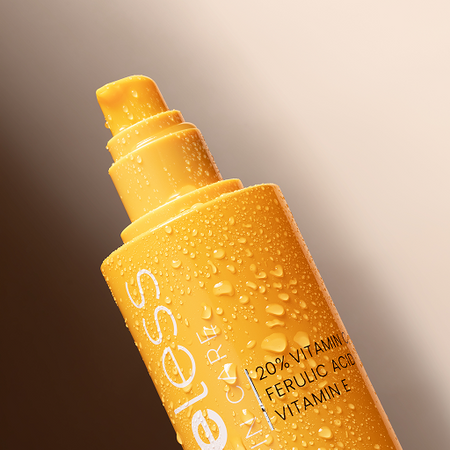
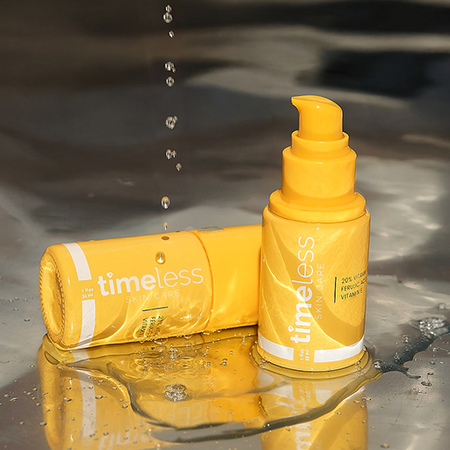
The vitamin C category includes the 20% Vitamin C + E Ferulic Acid Serum. Morning use is common for topical antioxidants. Vitamin C helps brighten the look of dullness and uneven tone. An antioxidant helps defend against oxidative stress caused by environmental factors such as UV exposure and pollution. When vitamin C is used in the morning, pair it with broad-spectrum sunscreen. -
Targeted Hydrating or Peptide Serums
If you use multiple serums, layer the lighter water-based formulas first.The hydration category includes Hyaluronic Acid 100% Pure.A dedicated hyaluronic acid serum helps support hydration in the upper layers of the epidermis. Peptides may help support the appearance of firmness. -
Eye Cream
The delicate skin surrounding the eyes is naturally thinner than facial skin. Dabbing a pea-sized amount of eye cream around the orbital bone before applying heavy facial lotions allows the eye contour to receive targeted care without overloading the area. -
Daily Moisturizer
A well-formulated lotion helps reduce transepidermal water loss (TEWL). Choose a lightweight gel for oily skin or a richer cream if your skin feels dry. -
Broad-Spectrum Sunscreen
Daily broad-spectrum sunscreen is the essential final step of every morning skincare routine. Sunscreen sits on the skin surface to shield against ultraviolet rays. Applying any skincare product over your sunscreen can dilute the filters and reduce your level of UV protection.
Key Takeaway: Always allow your sunscreen to set for several minutes before applying foundation or cosmetic powders to keep the protective UV film intact.
Step-by-Step Evening Skincare Routine Order
Nighttime is when your skin rests from daytime environmental exposures. Your evening routine can prioritize thorough cleansing, concentrated cosmetic support, and moisture retention.
-
First Cleanse (Makeup and Sunscreen Removal)
Long-wear cosmetics, silicone-based primers, and water-resistant sunscreens cling to the skin. An oil-based cleansing balm or micellar water breaks down stubborn surface residues without requiring aggressive rubbing. -
Second Cleanse (Water-Based Wash)
Following your makeup remover with a gentle foaming or gel wash can help remove dissolved oils, dirt, and lingering debris. Clean skin can make the application of evening actives smoother. -
Exfoliant or Acid Toner (2 to 3 Times Weekly)
Chemical exfoliants like alpha-hydroxy acids (AHAs) or beta-hydroxy acids (BHAs) lift away dead surface cells to reveal smoother-looking skin. Keep chemical exfoliation to a few evenings per week to limit the potential for irritation. -
Treatment Serums and Peptides
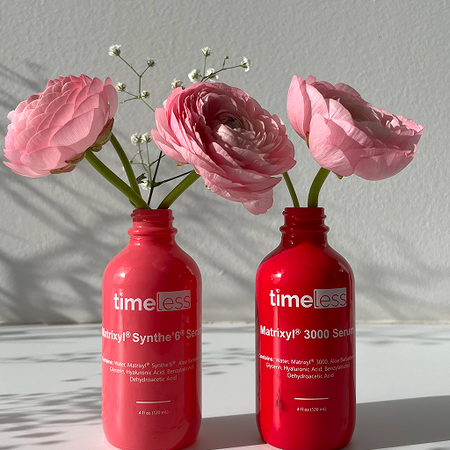
Evening can be a time for targeted cosmetic care.The peptide category includes Matrixyl® 3000 Serum.Peptides may help support the appearance of firmness. Vitamin B5 supports the skin barrier and helps the skin retain moisture. -
Eye Cream
Gently pat your evening eye treatment along the brow bone and under-eye area. This step delivers targeted moisture to areas prone to expression lines. -
Night Moisturizer or Face Oil
Evening moisturizers tend to feature richer emollient bases than daytime formulas. Choose a night moisturizer or face oil based on your routine. A moisturizer helps reduce moisture loss throughout the night.
Tailoring Product Order to Specific Ingredients
Different active ingredients have unique properties that can influence where they belong within a complete routine. Understanding how key ingredients behave can help you prevent formula conflicts.
Hyaluronic Acid Application
Hyaluronic acid is a humectant. It helps attract, bind, and retain water in the outer layers of the skin. It helps improve the appearance of dehydration lines. For application, apply hyaluronic acid to slightly damp skin after cleansing or misting. Always follow with a moisturizer to help reduce transepidermal water loss (TEWL).
Coenzyme Q10 Considerations
Ubiquinone (CoQ10) is a lipid-soluble antioxidant naturally found in skin. CoQ10 provides antioxidant support as the skin's natural CoQ10 levels decline with age. It supports firmer-looking skin and helps improve the appearance of fine lines. CoQ10 is generally used once daily. If you have vitiligo, check with your dermatologist before using a CoQ10 product.
Managing Active Combinations
Layering multiple strong actives in a single routine requires caution. Avoid using high-strength exfoliating acids and strong topical retinoids in the same evening session, as this may increase the potential for irritation. Instead, alternate your active serums across different nights. Individual reactions vary, and anyone with a known sensitivity or diagnosed skin condition should check with their dermatologist before combining concentrated formulas.
| Ingredient Type | Optimal Routine Step | Notable Benefit |
|---|---|---|
| L-Ascorbic Acid | Commonly used in the morning after cleansing | Helps brighten the look of dullness and uneven tone |
| Hyaluronic Acid | Morning and evening on damp skin before creams | Helps support hydration in the upper layers of the epidermis |
| Peptides | Morning and evening after watery serums | May help support the appearance of firmness |
| Exfoliating Acids | Evening: 2 to 3 nights weekly on dry skin | Smooths rough texture and removes surface buildup |
Realistic Expectations for Skincare Results
Achieving visible improvements in skin tone, hydration, and firmness requires patience and consistent application. Skincare products work gradually on the outer layers of the epidermis.
Consistent use of humectants beneath an effective moisturizer can support the appearance of hydration. Changes in tone, brightness, and skin firmness may require continued use.
Every individual skin type responds at its own pace depending on genetics, lifestyle, environmental exposure, and overall routine balance. Maintaining a consistent order can make a routine easier to follow. The skincare quiz can help guide your routine planning.
Frequently Asked Questions
Can I layer two different serums together in the same routine?
Yes, you can layer multiple serums by following the thin-to-thick texture guideline. Apply the most watery formula first, allow it a moment to settle, and follow with the more viscous serum. If you notice pilling, reduce the amount applied or separate the serums between your morning and evening routines.
How long should I wait between applying skincare steps?
Most steps do not require long waiting periods. You can apply water-based serums and moisturizers consecutively once the previous layer feels absorbed. The main exception is broad-spectrum sunscreen, which should dry down for a few minutes before you apply makeup to help keep the protective layer even.
Do I need to use an eye cream before or after my moisturizer?
Eye creams are generally formulated lighter than rich face creams and can be applied before your overall moisturizer. This sequence allows the specialized ingredients to absorb around the orbital bone without competing against heavy facial emollients. If your eye cream is thicker than your lotion, apply it after.
Is washing my face with cleanser necessary in the morning?
Morning cleansing depends largely on your personal skin type. Oily skin types may prefer a gentle foaming cleanser to remove overnight sebum buildup. Drier or sensitive complexions may do well with a simple lukewarm water rinse followed by toner and serum.