Introduction
Applying products in the wrong sequence can affect how they layer. Heavy products can sit over lighter ones, so a logical sequence can help each step complement the rest of your routine.
Skincare layering relies on three fundamental guidelines:
- Apply formulas from thinnest to thickest consistency.
- Apply water-based formulas before oil-based formulas.
- Finish your morning routine with broad-spectrum sunscreen.
Timeless Skin Care was founded in 2009 by Veronica Pedersen to focus on clean, high-concentration formulations. Our products are made in the USA in small batches. Understanding how different textures and ingredient bases interact on the skin allows you to structure an efficient daily regimen.
Key Takeaway: The fundamental rule of skincare layering is applying products from the lightest, most fluid texture to the richest, most occlusive formula.
The Science of Skincare Layering
The outer surface of your skin acts as a protective barrier. To help lightweight treatments layer evenly, consider product vehicle, molecular weight, and solubility.
Water-soluble ingredients can have difficulty passing through heavy oil barriers. If you apply a dense facial cream and then follow it with a watery serum, the serum may sit on top of the cream rather than layer evenly. Applying watery solutions first allows them to settle directly onto clean skin. Heavier lipid-rich creams and facial oils then follow. Learn more about individual ingredients in our Ingredient Glossary.
pH levels also play an important role in application order. Direct acids and certain forms of vitamin C may require low, acidic pH environments to maintain their stability. Applying low-pH treatments directly after cleansing places them before moisturizers in the routine.
| Formula Type | Base Carrier | Primary Function | Typical Placement |
|---|---|---|---|
| Water-Based Serums | Water / Aloe | Delivers targeted actives to surface layers | Immediately after cleansing |
| Emulsions & Lotions | Water and light oils | Provides light hydration and comfort | After liquid serums |
| Creams & Balms | Lipids and emollients | Helps reduce moisture loss | Near the end of the routine |
| Facial Oils | Lipid blends | Conditions surface skin | Final step at night or mixed with cream |
| Mineral / Chemical SPF | Emulsion with UV filters | Defends against UV rays | Final step of morning routine |


Step-by-Step Morning Skincare Routine
Your morning routine focuses on daytime defense, surface hydration, and sun protection. Throughout the day, the skin faces exposure to sunlight, particulate pollution, and dry air. For help organizing product steps, use our skincare quiz.
Step 1: Gentle Cleanser
Cleansing removes oils, sweat, and residue that accumulate on the skin overnight. Use lukewarm water and a mild, sulfate-free cleanser. Clean skin allows subsequent liquid serums to distribute evenly.
Step 2: Hydrating Toner or Refreshing Mist (Optional)
Toners help balance the skin surface after washing. A water-based toner can also lightly prep the skin for humectants. If you use an exfoliating toner with chemical acids, limit its use to a few mornings per week to avoid irritation.
Step 3: Antioxidant Serum
Antioxidants are commonly used in morning routines. A quality antioxidant helps defend against oxidative stress caused by environmental factors such as UV exposure and pollution.
Vitamin C is a widely researched topical antioxidant. It helps brighten the look of dullness and uneven tone. L-ascorbic acid is the most researched form of vitamin C. Its performance depends heavily on formula pH, stability, packaging, and overall composition. When used in the morning, vitamin C should be paired with broad-spectrum sunscreen. Explore the vitamin C collection for dedicated options.
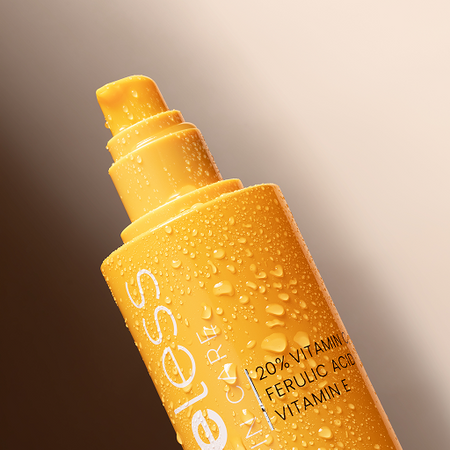
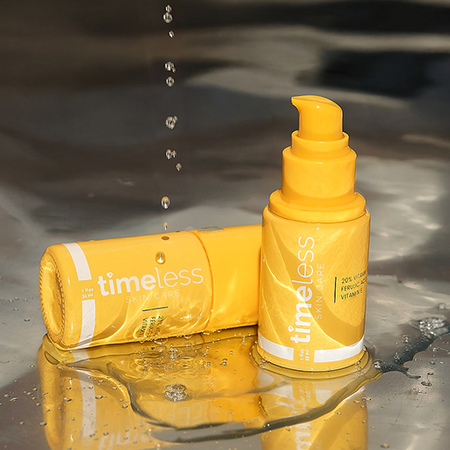
The 20% Vitamin C + E Ferulic Acid Serum is a vitamin C serum.
Step 4: Hydrating Serum
After applying antioxidant serums, layer a water-based humectant. Hyaluronic acid is a humectant. It helps attract, bind, and retain water in the outer layers of the skin. It helps support hydration in the upper layers of the epidermis and helps improve the appearance of dehydration lines.
Sodium hyaluronate is the sodium salt of hyaluronic acid. The Hyaluronic Acid 100% Pure is a hyaluronic acid serum.
Step 5: Lightweight Moisturizer
A morning moisturizer provides comfort without feeling heavy under makeup or sunscreen. A moisturizer helps reduce transepidermal water loss (TEWL), the water that evaporates from the skin's surface. Choose a lotion or gel-cream that absorbs cleanly.
Step 6: Broad-Spectrum Sunscreen
Sunscreen is the final step of every morning regimen. Daily broad-spectrum sunscreen protects against UVA and UVB rays, helping prevent cosmetic sun damage and premature aging.
Apply your sunscreen generously to the face, neck, and ears 15 minutes before sun exposure. Avoid applying other skincare steps over your sunscreen, as doing so can dilute the protective film.
How to use: In the morning, apply broad-spectrum sunscreen as the final skincare step.
Step-by-Step Evening Skincare Routine
The evening routine focuses on thorough cleansing, targeted treatments, and richer barrier care.
Step 1: First Cleanse (Makeup and Sunscreen Removal)
Throughout the day, sunscreen, makeup, and airborne pollutants accumulate on your face. An oil-based cleanser, cleansing balm, or micellar water dissolves lipid-based products easily. Massage the first cleanse gently onto dry skin, then rinse with lukewarm water.
Step 2: Second Cleanse (Water-Based Wash)
Follow with your water-based cleanser to remove remaining debris, sweat, and residue. This double-cleansing process leaves the skin clean without aggressive scrubbing.
Step 3: Exfoliants or Retinoids (Targeted Night Treatments)
Evening is a common time for treatments that may increase sun sensitivity.
- Chemical Exfoliants: Alpha hydroxy acids, like glycolic or lactic acid, and beta hydroxy acids, like salicylic acid, may help smooth the look of skin texture. Use these one to three times weekly.
- Retinoids: Retinol and other vitamin A derivatives may help refine the look of fine lines and texture.
Do not layer strong chemical exfoliants and retinoids in the same evening routine, as this combination may cause unnecessary redness and flaking.
Step 4: Peptides and Barrier Serums
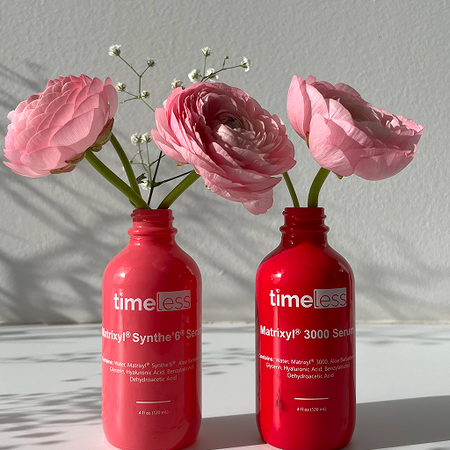
Peptides are short chains of amino acids. In cosmetic formulas, peptides may help support the appearance of firmness and smooth the look of skin texture.
Vitamin B5, often formulated as calcium pantothenate, supports the skin barrier and helps the skin retain moisture. It also helps the skin feel more comfortable after exposure to active treatments.
Coenzyme Q10 is a lipid-soluble antioxidant naturally found in skin. It provides antioxidant support as the skin's natural CoQ10 levels decline with age. It helps improve the appearance of fine lines and supports firmer-looking skin. CoQ10 is generally used once daily. The Coenzyme Q10 Serum is a CoQ10 serum. If you have vitiligo, check with your dermatologist before using a CoQ10 product. Avoid applying CoQ10 products under the eyes.
Step 5: Eye Cream (Optional)
The skin surrounding the eye contour is thin and fragile. An eye cream can provide focused hydration and help reduce the appearance of dark circles or puffiness. Explore Eye Creams for focused skincare options.
Tap a pea-sized amount lightly around the orbital bone using your ring finger.
Step 6: Nourishing Night Cream or Facial Oil
Complete your evening sequence with a moisturizer. Night creams generally contain higher proportions of emollients. A rich moisturizer helps reduce moisture loss while you sleep.
If you have very dry skin, you can press two drops of a facial oil over your moisturizer to provide additional surface conditioning.
How to Avoid Product Conflicts and Skin Overload
Layering too many concentrated treatments at once may increase irritation or product pilling. Understanding how to organize your routine can help reduce these issues. DIY Build Your Kit can help organize routine selections.
Rotating Active Ingredients
You do not need to use every active ingredient every day. Dividing targeted ingredients between your morning and evening routines is a sensible approach:
- Morning: Antioxidants like Vitamin C, hydrating humectants, and daily broad-spectrum sunscreen.
- Evening: Retinoids, exfoliating acids, peptides, and barrier-support formulas.
If you use multiple concentrated treatments, alternate them by day. For example, use an exfoliating acid on Monday, a retinoid on Tuesday, and focus on simple hydration and barrier support on Wednesday.
Preventing Formula Pilling
Pilling occurs when products ball up into tiny flakes instead of absorbing into the skin. This issue usually happens for three reasons:
- Applying products too quickly without allowing thin layers to settle.
- Layering incompatible silicone-heavy formulas over water-based treatments.
- Using too much product per application.
Allow each serum roughly 30 to 60 seconds to absorb before applying your next layer. Patting serums gently onto the face rather than rubbing aggressively also reduces friction-induced pilling.
Note: Individual skin reactions vary across different formulas. Anyone with a known sensitivity or diagnosed skin condition should check with their dermatologist when introducing new active products.
Realistic Expectations for Skincare Results
Cosmetic changes require time, patience, and consistency. A single application of a serum or cream is unlikely to transform your complexion overnight.
Humectants can support surface hydration. Hyaluronic acid helps support hydration in the upper layers of the epidermis and helps improve the appearance of dehydration lines.
Visible improvements in tone, firmness, and texture vary with individual skin characteristics.
- Tone and Brightness: Antioxidant serums that help brighten the look of dullness and uneven tone may show visible improvements with consistent use.
- Firmness and Fine Lines: Peptides that may help support the appearance of firmness and formulas that support firmer-looking skin may show visible changes with consistent application.
Consistency can help maintain a steady cosmetic skincare routine.
Frequently Asked Questions
What is the most important rule for skincare layering?
The most important rule is to layer products from thinnest consistency to thickest consistency, ending with broad-spectrum sunscreen in the morning. Thin, water-based serums absorb best when placed directly on clean skin, while a thicker cream helps reduce moisture loss.
Should I apply hyaluronic acid before or after vitamin C?
Generally, apply vitamin C first, followed by hyaluronic acid. Vitamin C serums are typically formulated at a lower pH and a thinner viscosity, so applying them first follows a thinnest-to-thickest approach. For more guidance, read Can You Use Hyaluronic Acid and Vitamin C Together?.
How long should I wait between skincare steps?
Many serums require only 30 to 60 seconds to absorb before you move on to the next product. You generally do not need to wait several minutes between every step. However, allow your moisturizer to dry down completely before applying broad-spectrum sunscreen.
Can I use the same moisturizer for morning and night?
A gentle moisturizer may work well for both morning and evening routines. However, some people with dry skin may prefer a lightweight gel or lotion under sunscreen in the morning and a richer cream at night. A richer cream helps reduce moisture loss at night.