Introduction
Applying your products in a considered sequence can make your daily regimen easier to follow. You can invest in well-formulated formulas, but if you layer them incorrectly, the routine may be less straightforward. The outer surface of your skin acts as a protective shield. It keeps external elements out while retaining essential moisture within.
Getting the correct order for skincare comes down to texture, base formulations, and timing. At Timeless Skin Care, founded in 2009 by Veronica Pedersen, our focus has always been on simple routines with high concentrations of active ingredients made in the USA in small batches. When you understand how different product textures interact, building a routine becomes straightforward.
Quick Answer: Apply products starting with the thinnest, water-based textures and finish with the thickest, oil-based formulas. In the morning, always end with a broad-spectrum sunscreen. At night, finish with a dedicated moisturizer.
The Core Principles of Product Layering
To understand how to layer your products, you only need to remember a few basic physical properties. Skincare products range from light liquids to dense creams and oils.
Texture and Molecular Weight
A common rule in skincare is to layer from thinnest to thickest. Lightweight, liquid formulas absorb quickly. Heavy creams contain larger lipid molecules and emollient bases. If you apply a dense face cream first, a lightweight serum applied on top may not spread as evenly.
Water Bases versus Oil Bases
Water and oil do not mix naturally on the skin without emulsifiers. Water-based serums should generally be applied to clean skin before oil-based formulas. Applying a facial oil before a hydrating serum can make the routine less straightforward.
Why Occlusives Belong at the End
A moisturizer helps reduce transepidermal water loss (TEWL), the water that evaporates from the skin's surface. Moisturizers and facial oils are generally placed at the end of a routine.
| Product Type | Formula Base | Routine Placement | Primary Function |
|---|---|---|---|
| Cleanser | Water or Oil | Step 1 (AM & PM) | Clears surface oil, dirt, and impurities |
| Toner or Mist | Water | Step 2 (AM & PM) | Hydrates and prepares surface for serums |
| Treatment Serums | Water or Anhydrous | Step 3 (AM & PM) | Delivers concentrated active ingredients |
| Eye Cream | Emulsion or Cream | Step 4 (AM & PM) | Hydrates the delicate eye contour area |
| Moisturizer | Cream or Lotion | Step 5 (AM & PM) | Helps reduce moisture loss |
| Sunscreen | Mineral or Chemical | Step 6 (AM only) | Defends against UV rays |


The Step-by-Step Morning Skincare Routine Order
Your morning routine focuses primarily on hydration and environmental defense. During the day, your skin encounters sunlight, pollution, and climate shifts. Layering your daytime products correctly can support a consistent routine.
Step 1: Cleanser
Start your morning by washing away sweat and overnight oils. If you have dry or balanced skin, a splash of lukewarm water or a gentle, non-foaming wash is sufficient. If you have oily skin, a gentle gel cleanser helps remove excess sebum without stripping the skin.
Step 2: Toner or Hydrating Mist
Applying a liquid toner or hydrating mist adds an immediate layer of hydration to freshly cleansed skin. A water-based mist helps prep the skin surface so that subsequent serums spread easily and evenly across your face and neck.
Step 3: Vitamin C and Daytime Antioxidant Serums
Morning use is the most common recommendation, not the only option. Morning use should always be paired with broad-spectrum sunscreen.
An antioxidant helps defend against oxidative stress caused by environmental factors such as UV exposure and pollution. Applying an antioxidant also helps neutralize free radicals generated by UV exposure.
Vitamin C helps brighten the look of dullness and uneven tone. The performance of a vitamin C serum depends on its form, overall formulation, stability, packaging, and the pH of L-ascorbic acid. L-ascorbic acid is the most researched form, not automatically the best form. Keep in mind that oxidation is a gradual process; over time, an oxidized formula loses potency and may increase the likelihood of irritation for some people.
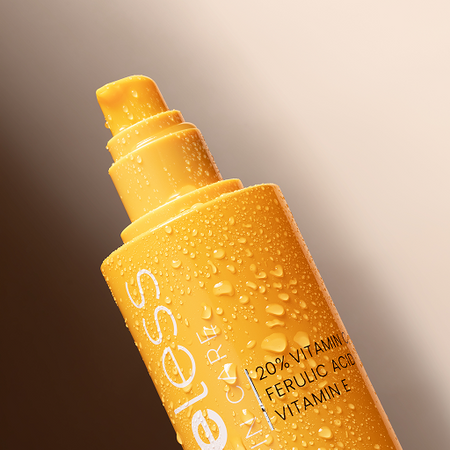
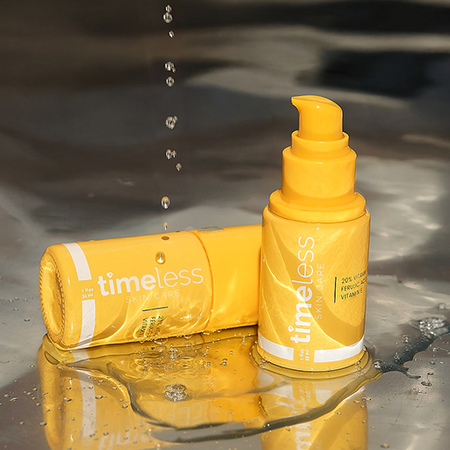
This category includes several product options. One option is the 20% Vitamin C + E Ferulic Acid Serum.
Step 4: Eye Cream
The skin surrounding the eyes is naturally thinner than the rest of the face. An eye cream helps keep this delicate zone smooth and hydrated. Gently tap a pea-sized amount along the orbital bone using your ring finger, avoiding direct contact with your eyelids.
Step 5: Lightweight Moisturizer
A morning moisturizer helps reduce moisture loss and can provide a smooth canvas for makeup. If your skin is naturally oily, you may prefer a lightweight gel moisturizer. Drier skin types may benefit from a lotion containing ceramides or fatty acids.
Step 6: Broad-Spectrum Sunscreen
Sunscreen is the mandatory final step of every morning skincare routine. A broad-spectrum sunscreen with SPF 30 or higher shields the skin from UVA and UVB rays. Never mix your sunscreen directly into your moisturizer or foundation, as diluting the formula reduces its protective capability. Apply sunscreen generously to your entire face, neck, and ears as your final skincare step.
Key Takeaway: Always apply broad-spectrum sunscreen as the very last step in your morning routine. Sunscreen forms a protective film over your other skincare layers that must not be disrupted by subsequent creams.
The Step-by-Step Evening Skincare Routine Order
Your evening regimen is dedicated to thorough cleansing, concentrated treatments, and barrier care. While you sleep, the skin loses water at a higher rate, making evening hydration and emollient care useful.
Step 1: First Cleanse or Makeup Removal
If you wear sunscreen or makeup, start with an oil-based cleanser, cleansing balm, or micellar water. This first step dissolves oil-soluble impurities, waterproof makeup, and sunblock residues without tugging at the skin.
Step 2: Second Cleanse
Follow your makeup remover with a gentle water-based cleanser. This step ensures that dirt, perspiration, and leftover oil are thoroughly rinsed away. Clean skin helps prepare the skin for evening treatment products.
Step 3: Exfoliating Acids or Chemical Peels (1 to 3 Times Weekly)
Chemical exfoliants such as alpha hydroxy acids (AHAs) or beta hydroxy acids (BHAs) help remove dead skin cells from the surface. Use exfoliating acids only a few nights per week rather than every night. Apply them immediately after cleansing so they can interact directly with the skin surface.
Step 4: Targeted Serums and Peptides
Nighttime is when you can layer hydrating serums, peptides, or retinoids.
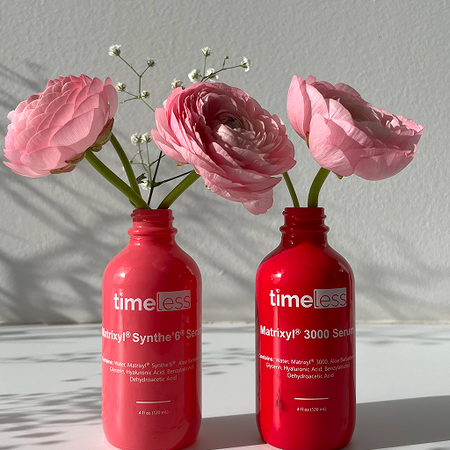
- Hydrating Serums: Hydrating serums are one category in this step. Hyaluronic acid is a humectant, not a moisturizer. Hyaluronic acid helps attract, bind, and retain water in the outer layers of the skin. Sodium hyaluronate is the sodium salt of hyaluronic acid. Sodium hyaluronate helps support hydration in the upper layers of the epidermis. Sodium hyaluronate helps improve the appearance of dehydration lines. This category includes several product options. One option is the Hyaluronic Acid 100% Pure.
- Barrier and Comfort Serums: This vitamin B5 supports the skin barrier and helps the skin retain moisture. Vitamin B5 also helps the skin feel more comfortable.
- Peptide Serums: Peptides may help support the appearance of firmness.
- Antioxidants for Evening: CoQ10 provides antioxidant support as the skin's natural CoQ10 levels decline with age. CoQ10 helps improve the appearance of fine lines. CoQ10 supports firmer-looking skin. CoQ10 is generally used once daily. If you have vitiligo, check with your dermatologist before using a CoQ10 product. This category includes several product options. One option is the Coenzyme Q10 Serum.
Step 5: Night Eye Cream
Apply your evening eye treatment after your face serums. An evening eye cream can provide richer hydration for the eye contour.
Step 6: Night Moisturizer
Finish your evening layers with a nourishing night cream. A rich night moisturizer helps reduce transepidermal water loss (TEWL), the water that evaporates from the skin's surface. Look for creams with ceramides, squalane, or cholesterol.
Step 7: Facial Oil (Optional)
If your skin experiences persistent dryness, you can finish your evening routine with plant oil. Face oils are generally used as the last layer over your night cream to keep the skin feeling soft.
How to Layer Multiple Serums Effectively
Many people use more than one serum to address different skin concerns. Layering multiple treatments requires attention to consistency, base ingredients, and skin tolerance.
Apply Water-Based Serums Before Oil-Based Serums
If you are using two serums, examine their ingredient lists. Thin, watery serums are generally applied first. Viscous, gel-like serums typically follow. Any anhydrous, or water-free, or squalane-based serums can be applied next, just before your cream.
Respect Wait Times Between Layers
You do not need to wait ten minutes between every step, but giving each layer thirty to sixty seconds to settle can help limit cosmetic pilling. Allowing water-based formulas to absorb slightly can help your moisturizer spread evenly without balling up on the skin surface.
Avoid Overloading Your Skin
Using too many concentrated serums at once can make a routine feel less comfortable. Two serums can be combined in one routine, depending on the products and your skin's response. If you have multiple skin goals, alternate your active treatments between morning and evening, or rotate them across different days of the week with DIY Build Your Kit.
Realistic Expectations for Skincare Results
Achieving visible improvements in skin tone, texture, and hydration requires patience and consistency. Skincare products work gradually on the outer layers of the skin, and individual skin responses vary based on genetics, climate, lifestyle, and consistent routine habits.
Note: Cosmetic improvements are gradual, and individual results vary with consistent use.
When introducing concentrated active ingredients into your routine, monitor how your skin responds. If you experience unexpected redness or persistent irritation, reduce the frequency of application. Individual reactions vary, and anyone with a known sensitivity or diagnosed skin condition should check with their dermatologist before starting new active products.
Frequently Asked Questions
What is the single most important rule for the order for skincare?
The general rule is to apply products from the thinnest texture to the thickest consistency. Start with watery liquids like toners and light serums, move to heavier gels and lotions, and finish with rich creams, face oils, and daytime sunscreen.
Should I apply hyaluronic acid before or after vitamin C?
Apply vitamin C first on clean, dry skin, followed by hyaluronic acid. L-ascorbic acid is the most researched form of vitamin C. Once your vitamin C serum settles, apply your hyaluronic acid serum on top. Hyaluronic acid helps support hydration in the upper layers of the epidermis.
Can I use my daytime moisturizer at night?
Yes, you can use your daytime moisturizer at night as long as it does not contain sunscreen. Sunscreen filters are unnecessary while sleeping. Nighttime is also a great opportunity to use richer creams that help reduce moisture loss during sleep.
Where do spot treatments go in a skincare routine?
Apply spot treatments after your lightweight serums but before your heavy moisturizer. This placement puts the spot treatment before heavier creams.