Introduction
Retinol is a vitamin A derivative widely used in cosmetic routines to improve the appearance of fine lines, uneven tone, and rough surface texture. Incorporating it into a routine can bring questions about product order. Because retinol can cause dryness or flaking for some users, application order can affect comfort.
Layering skincare thoughtfully can help keep a routine comfortable and consistent. Whether you are using a lightweight serum or a richer cream, knowing where retinol fits alongside hydrators, antioxidants, and moisturizers can help you build a sustainable routine. For more guidance on product order, read our article on how to layer multiple serums.
Key Takeaway: A useful layering rule is to apply formulas from thinnest to thickest texture, reserving retinol primarily for evening use on dry skin.
Why Application Order Matters for Retinol
The sequence of your skincare routine can influence comfort and how products feel on the skin. Retinol is used in cosmetic routines to support the appearance of smoother skin. Introducing it too aggressively or layering it with several potentially irritating products may make the routine less comfortable.
Quick Answer: Apply water-based hydrating serums first, ensure your skin is dry, apply your retinol product, and finish with a lipid-rich moisturizer to help reduce transepidermal water loss (TEWL), the water that evaporates from the skin's surface.
Product texture is a primary consideration. Thin, water-based serums generally feel lighter, while creams and oils feel richer. For a simple routine, apply lighter formulas before richer ones. Applying retinol to damp skin may feel more irritating for some users.
| Layering Method | Ideal User | Application Order | Primary Benefit |
|---|---|---|---|
| Standard (Direct) | Experienced retinol users, normal to oily skin | Cleanse, wait until dry, retinol, moisturizer | Direct contact for straightforward routines |
| Serum Buffering | Combination, dry, or mild sensitivity | Cleanse, hydrating serum, wait until dry, retinol, moisturizer | Adds upper-layer hydration before retinol |
| Sandwich Technique | First-time users, sensitive or reactive skin | Cleanse, light moisturizer, retinol, rich moisturizer | Adds a moisturizing buffer |


The Step-by-Step Evening Routine Order
Retinol is commonly used in the evening. Keep your nighttime routine simple and focused on comfort.
1. Gentle Cleanser
Start by removing makeup, mineral sunscreen, and daily debris. Choose a mild, non-stripping cleanser that does not leave the face feeling tight or stripped.
2. Hydrating Serums
If you use humectants, apply them immediately after washing while the skin is still slightly damp. Hyaluronic acid is a humectant that helps attract, bind, and retain water in the outer layers of the skin. If you use a hyaluronic acid serum, it can be included in this initial water-light phase. The Hyaluronic Acid 100% Pure is a hyaluronic acid serum.
3. The Waiting Period
Wait until your skin feels completely dry to the touch. Applying retinol to damp skin may feel more irritating for some users.
4. Retinol Application
Dispense a pea-sized amount for the entire face. Distribute it across your forehead, cheeks, and chin, smoothing it outward in a thin layer while avoiding the delicate lower eyelids and the corners of the mouth.
5. Eye Cream
Apply a dedicated under-eye formula using your ring finger. The Dark Circle Peptide Complex Eye Cream is an eye cream.
6. Moisturizer
Finish with a moisturizer. A moisturizer helps reduce moisture loss and can provide comfortable cushioning while you sleep.
The Morning Companion Routine
While retinol is commonly used in the evening, your morning routine can support a comfortable overall routine. Focus on hydration, antioxidants, and sunscreen.
- Rinse or wash with a mild cleanser to refresh the skin surface.
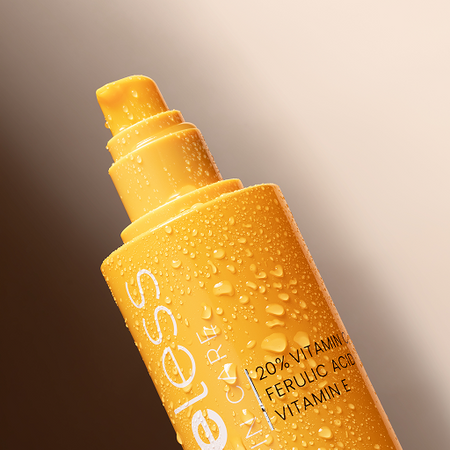
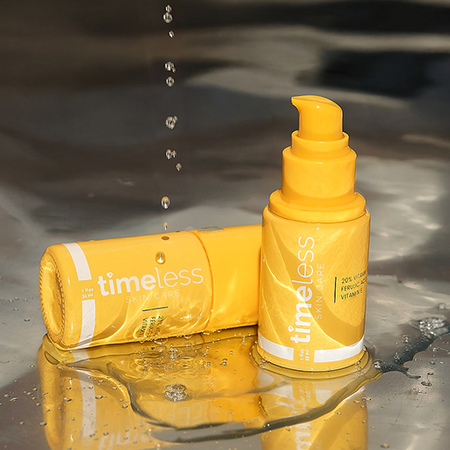
- Apply a targeted antioxidant serum. Vitamin C helps brighten the look of dullness and uneven tone. It helps defend against oxidative stress caused by environmental factors such as UV exposure and pollution. The 20% Vitamin C + E Ferulic Acid Serum is a vitamin C serum.
- Apply a lightweight daytime moisturizer to support comfort and help the skin retain moisture throughout the day.
- Finish with a broad-spectrum sunscreen rated SPF 30 or higher.
Bottom Line: Use broad-spectrum sunscreen every morning when using retinol.
Managing Retinol with Other Active Ingredients
Building a routine requires knowing which ingredients may fit comfortably alongside retinol and which may be better separated. For ingredient definitions, visit our ingredient glossary.
Complementary Ingredients
Sodium hyaluronate is a humectant that helps support hydration in the upper layers of the epidermis. Glycerin is also commonly used in hydrating formulas. Peptides may help support the appearance of firmness and can be applied before or after retinol depending on their formulation viscosity. Niacinamide and barrier-supporting lipids such as ceramides are also commonly included in routines focused on comfort.
Ingredients to Separate
Some people may find direct exfoliating acids, including alpha hydroxy acids such as glycolic or lactic acid and beta hydroxy acids such as salicylic acid, irritating when layered directly with retinol. If that applies to you, use exfoliating acids on alternate nights from retinol.
L-ascorbic acid formulas can be used in a morning routine. Morning use is a common recommendation, not the only option. If you use L-ascorbic acid in the morning, follow with broad-spectrum sunscreen. Separating L-ascorbic acid and retinol between morning and evening may keep each application simple.
The Buffering and Sandwich Methods for Sensitive Skin
If you are new to retinol or prone to surface redness, modifying the standard application sequence may make the routine feel more comfortable. Our skincare quiz can also help guide routine-building.
The first technique is serum buffering. Applying a lightweight humectant before retinol adds surface hydration. Hyaluronic acid helps improve the appearance of dehydration lines.
The second method is the sandwich technique, which may be useful for sensitive skin types:
- Cleanse your skin thoroughly and gently pat dry.
- Apply a thin layer of a basic, lightweight moisturizer.
- Allow the moisturizer to absorb and dry.
- Apply your pea-sized amount of retinol over the moisturizer.
- Follow with a second, richer layer of moisturizer.
This approach may make the routine feel more comfortable while you build tolerance.
Realistic Expectations and What to Avoid
Cosmetic results from topical retinol vary from person to person depending on skin condition, formula concentration, and consistent application. Changes in the appearance of fine lines, smoothness, and uneven skin tone may require consistent use.
Some users may notice light flaking or mild tightness while adjusting to retinol. If you develop persistent burning, raw patches, or deep stinging from gentle products, pause your retinol use and focus on gentle hydration until the skin feels comfortable again.
Common mistakes to avoid include:
- Applying more than a pea-sized amount, which may increase the risk of irritation.
- Using retinol on the neck and chest at the same frequency as the face, which may increase irritation.
- Rushing into daily application before your skin has adapted. Start with less frequent use and increase only as your skin demonstrates comfort.
- Skipping daytime sunscreen. Use broad-spectrum sunscreen every morning.
Individual reactions vary. If you have known sensitivity or concerns about using retinol, consult a dermatologist. If you have vitiligo, check with your dermatologist before using a CoQ10 product.
Frequently Asked Questions
Should I apply retinol before or after my moisturizer?
Most individuals with resilient or combination skin apply retinol before moisturizer for direct skin contact. If your skin is sensitive, prone to dryness, or adjusting to vitamin A for the first time, applying moisturizer before retinol, or sandwiching it between two layers of lotion, may provide a gentle buffer.
Can I apply a hydrating serum before retinol?
Yes, you can apply a water-based hydrating serum before retinol. Ensure that the serum has settled and that your skin is dry to the touch before applying retinol. Applying retinoids over damp skin may feel more irritating for some users.
How long should I wait between applying retinol and other skincare products?
A short wait is generally enough. Apply the next product once the preceding formula has settled, and make sure your skin is dry before applying retinol.
Why is retinol used at night instead of during the daytime?
Retinol is commonly used at night as part of a simple evening routine. Use broad-spectrum sunscreen each morning.