Introduction
A morning skincare routine serves a clear purpose: it prepares your skin for the day ahead. While your evening regimen focuses on cleansing away daily buildup and supporting overnight rest, your morning routine focuses on hydration, environmental defense, and daytime comfort.
The order in which you apply your products can affect how they layer. Layering items incorrectly can cause formulas to pill or leave your complexion feeling greasy. Following a thoughtful morning skincare routine order can help each step complement the next.
Founded in 2009 by Veronica Pedersen, Timeless Skin Care focuses on clean, simple formulas with active ingredients. Every routine works best when built on solid educational foundations. This guide breaks down the science of morning layering step by step, helping you build an efficient regimen for your skin goals.
Key Takeaway: The foundational rule of morning skincare layering is simple: apply products from thinnest consistency to thickest consistency, always finishing with a broad-spectrum sunscreen.
The Core Rule of Skincare Layering: Texture and Density
Understanding why product order matters makes building a routine simple. The general rule across cosmetic formulation is to layer from the thinnest, most watery texture to the thickest, most occlusive formula.
Viscosity and Absorption
Viscosity refers to the thickness or fluidity of a liquid. In a morning routine, products generally fall into three textural tiers:
- Water-like liquids: Cleansers, mists, essences, and watery toners.
- Lightweight fluids: Water-based active serums, hydrating fluids, and gels.
- Emulsions and occlusives: Lotions, creams, facial oils, and sunscreens.
Applying your products in this sequence can help each layer settle without interfering with the next.
| Step Category | Common Product Types | Texture Description | Primary Morning Purpose |
|---|---|---|---|
| First Layer | Gentle Cleanser | Fluid, foam, or light gel | Removes nighttime oil and sweat |
| Second Layer | Hydrating Toner or Mist | Water-thin liquid | Preps surface hydration |
| Third Layer | Targeted Serums | Lightweight, watery fluid | Delivers concentrated actives |
| Fourth Layer | Eye Cream | Light emulsion or gel-cream | Targets delicate orbital skin |
| Fifth Layer | Daily Moisturizer | Lotion, gel, or cream | Supports barrier comfort |
| Final Layer | Sunscreen | Mineral or chemical lotion | Defends against UV exposure |


Step-by-Step Morning Skincare Routine Order
Building an effective AM routine does not require ten different steps. A streamlined routine of four to six steps can address common morning needs. You can use the skincare quiz to help organize a routine around your preferences.
Step 1: Gentle Cleansing
The first step of your morning routine refreshes the skin. While you sleep, your skin accumulates natural sebum, shed skin cells, and residue from nighttime treatments or pillowcases.
A gentle water-based cleanser or a splash of lukewarm water is usually sufficient for morning use. You do not need harsh surfactants to start your day. Look for mild, non-stripping cleansers that leave your face feeling clean and balanced rather than tight or dry.
If you have very dry or sensitive skin, rinsing with plain lukewarm water can be an option. If your skin is normal, combination, or oily, a mild gel or foaming cleanser helps remove excess surface lipids.
Step 2: Hydrating Toner or Water-Based Mist
Toners are optional, but a hydrating mist or toner can add surface moisture. Modern toners differ significantly from the alcohol-laden astringents of the past. Today, they primarily serve to refresh the surface and prep the skin for subsequent treatments.
Pat the liquid gently over your face and neck rather than rubbing with an abrasive cotton pad.
Step 3: Targeted Morning Serums
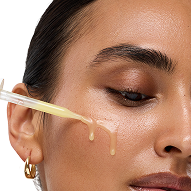
Serums are lightweight fluids containing concentrated active ingredients. Morning use is common for ingredients that focus on daytime defense and surface hydration.
Antioxidant Serums
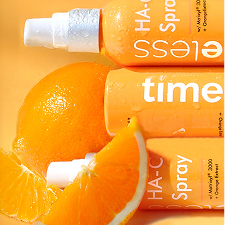
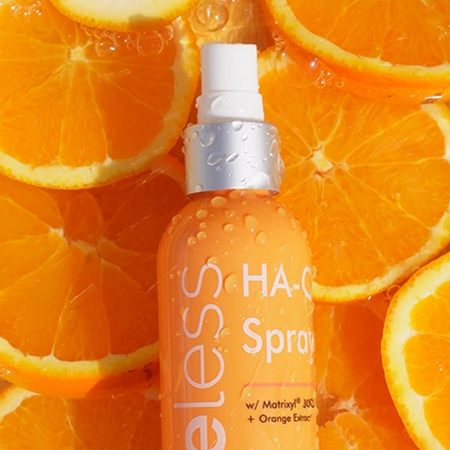
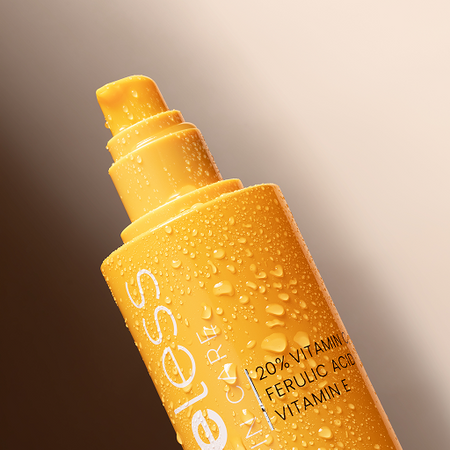
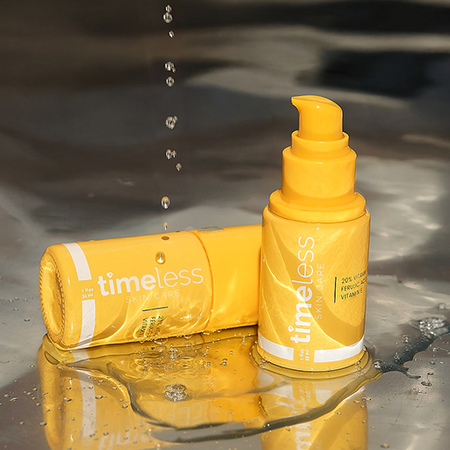
Our 20% Vitamin C + E Ferulic Acid Serum is a Vitamin C serum.
Antioxidants are commonly included in morning skincare. During the day, your skin encounters ambient environmental stressors. An antioxidant serum helps defend against oxidative stress caused by environmental factors such as UV exposure and pollution. It also helps neutralize free radicals generated by UV exposure.
Vitamin C is among the most researched topical antioxidants in skincare. It helps brighten the look of dullness and uneven tone. L-ascorbic acid is the most researched form of Vitamin C. If you use Vitamin C in the morning, pair it with a broad-spectrum sunscreen.
Another morning antioxidant is Coenzyme Q10. Ubiquinone is a lipid-soluble antioxidant naturally found in skin. It provides antioxidant support as the skin's natural CoQ10 levels decline with age. It helps improve the appearance of fine lines and supports firmer-looking skin.
Hydrating Serums
Our Hyaluronic Acid 100% Pure is a hyaluronic acid serum.
Hydrating serums formulated with humectants can add surface hydration throughout the day. Hyaluronic acid is a humectant. It helps attract, bind, and retain water in the outer layers of the skin. It helps support hydration in the upper layers of the epidermis. Sodium hyaluronate is the sodium salt of hyaluronic acid. Hyaluronic acid helps improve the appearance of dehydration lines.
Calcium Pantothenate (Vitamin B5) supports the skin barrier and helps the skin retain moisture. It also helps the skin feel more comfortable when environmental conditions are dry or harsh.
How to use: When layering multiple serums, apply the thinnest water-based formula first. Allow it thirty to sixty seconds to settle before applying a slightly thicker serum on top.
Step 4: Eye Cream
Our Dark Circle Peptide Complex Eye Cream is an eye cream.
The skin around the eyes is thinner and possesses fewer oil glands than the rest of the face. An eye cream can provide hydration for this delicate area.
Using a ring finger, gently pat a small amount along the orbital bone. Peptides may help support the appearance of firmness around the eyes.
Step 5: Moisturizer
A daily moisturizer is the next step before sunscreen. It helps reduce transepidermal water loss (TEWL). It helps reduce moisture loss caused by dry indoor air or wind.
Choose a texture that fits your skin type:
- Oily or combination skin: A lightweight gel or oil-free fluid provides hydration without heaviness.
- Normal skin: A light lotion maintains balance and comfort.
- Dry skin: A richer cream may provide extra lipid support and may help reduce midday flaking.
Step 6: Broad-Spectrum Sunscreen
Sunscreen is the final step of a morning skincare routine. UV rays are present year-round, even on cloudy days and through window glass.
Daily broad-spectrum sunscreen protects against both UVA rays, which contribute to premature signs of skin aging, and UVB rays, which cause sunburn. Choose a broad-spectrum formula with an SPF rating of 30 or higher. Apply a generous amount to your entire face, neck, and ears as the last skincare step before applying any makeup.
Bottom line: Never mix your sunscreen directly into your moisturizer or foundation. Doing so can dilute the UV filters and compromise the even protective film sunscreen forms over your skin.
Customizing Your AM Routine by Skin Goal
Not everyone needs the exact same morning steps. You can customize your routine based on your individual skin characteristics and daily comfort preferences.
Routine for Oily or Blemish-Prone Skin
Oily skin still requires hydration. When oily skin is stripped of moisture, it can feel tight and produce excess surface oil to compensate.
- Cleanse: Use a gentle gel cleanser to remove overnight oil.
- Treat: Apply a lightweight antioxidant serum to support the skin's antioxidant defenses.
- Hydrate: Apply a hyaluronic acid serum that helps support hydration in the upper layers of the epidermis.
- Protect: Finish with a lightweight, matte-finish broad-spectrum sunscreen. If your sunscreen is moisturizing enough, you may choose to skip a separate morning cream.
Routine for Dry or Dehydrated Skin
Dry skin lacks sufficient natural lipids, while dehydrated skin lacks water content in the stratum corneum. A layering routine can address both concerns.
- Cleanse: Rinse with lukewarm water or a mild cream-based cleanser.
- Tone: Apply a hydrating mist to damp skin.
- Treat and hydrate: Apply a hyaluronic acid serum. It helps attract, bind, and retain water in the outer layers of the skin.
- Moisturize: Apply a nourishing lotion or cream that helps reduce moisture loss.
- Protect: Finish with a hydrating, broad-spectrum sunscreen rated SPF 30 or higher.
Routine for Addressing Uneven Tone and Fine Lines
If your primary focus is smoothing the look of texture and brightening your complexion, prioritize targeted daytime actives.
- Cleanse: Use a mild, pH-balanced cleanser.
- Brighten: Apply a Vitamin C serum that helps brighten the look of dullness and uneven tone.
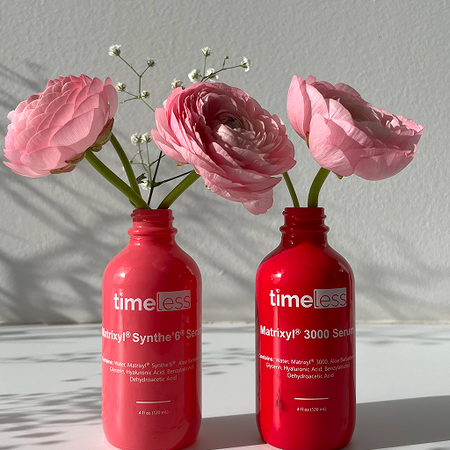
- Firm: Apply a peptide serum. Peptides may help support the appearance of firmness.
- Moisturize: Use a balanced daily moisturizer.
- Protect: Apply a generous layer of broad-spectrum SPF 30+ sunscreen.
How to Layer Active Ingredients Safely
Layering multiple active ingredients requires basic knowledge of formulation compatibility and personal skin tolerance.
Spacing and Drying Times
You do not need to wait ten minutes between every step of your routine. However, giving each product thirty to sixty seconds to settle can help prevent pilling. Pilling happens when formulas ball up on the skin instead of spreading smoothly, often caused by mixing incompatible polymers or rushing heavy layers over wet serums.
When applying an acidic Vitamin C formula, letting it absorb for one to two minutes before applying a neutral pH moisturizer can help the formula settle as intended.
Managing Sensitivity and Ingredient Compatibility
Introducing new products into your morning routine should be done gradually. Individual reactions vary significantly based on barrier strength, climate, and personal sensitivities. If you have a known skin sensitivity or a diagnosed skin condition, check with your dermatologist before introducing new high-concentration active products.
CoQ10 is generally used once daily. When using CoQ10 in your regimen, keep application focused on the main areas of the face and neck. If you have vitiligo, check with your dermatologist before using a CoQ10 product.
Realistic Expectations and Timing for Visible Results
Cosmetic skincare works progressively. Hyaluronic acid helps improve the appearance of dehydration lines. Changes in the look of skin firmness, tone, and texture take consistent daily use.
Skin cells naturally renew over a cycle that typically spans several weeks, and this process slows down with age. Visible improvements in brightness, texture smoothness, and overall radiance develop gradually over consistent morning applications paired with daily sun defense.
Cosmetic formulas do not typically produce overnight changes. Consistency, proper product order, and daily sunscreen use can support a steady approach to skin appearance.
Frequently Asked Questions
Can I use Vitamin C and Hyaluronic Acid together in the morning?
Yes, Vitamin C and hyaluronic acid can be used together in a morning routine. Because L-ascorbic acid formulas are often acidic, apply your Vitamin C serum first to clean, dry skin. Allow it a moment to settle, then apply your hyaluronic acid serum. Hyaluronic acid helps support hydration in the upper layers of the epidermis. Follow with your moisturizer and broad-spectrum sunscreen.
Should eye cream go before or after moisturizer?
Eye cream is generally applied before your facial moisturizer. Eye formulas are typically lighter than all-over face creams. Applying eye cream before moisturizer keeps the steps in that order.
Is it necessary to wash your face with cleanser in the morning?
Using a cleanser in the morning depends on your skin type and personal comfort. Normal, oily, and combination skin types usually benefit from a gentle cleanser to remove overnight sebum and product residue. Those with very dry or sensitive skin may prefer to simply rinse with lukewarm water before continuing with their serums and moisturizer.
How long should I wait before applying makeup after sunscreen?
You should wait roughly three to five minutes after applying your broad-spectrum sunscreen before applying foundation or makeup. This pause allows the sunscreen to dry down completely and create an even, protective film over your skin, preventing makeup application from disrupting your UV coverage.