Introduction
An evening skincare routine prepares your skin for the hours you spend asleep. During the day, skin faces makeup, sweat, airborne dust, and environmental stressors. At night, you have the opportunity to wash away that buildup and apply targeted formulas without competing against sun exposure or outdoor elements.
Following a consistent skincare routine order at night can help each formula apply evenly. Layering products in the wrong sequence can lead to uneven application. Heavy creams applied too early can make it harder for lighter water-based serums to spread evenly.
Timeless Skin Care was founded in 2009 by Veronica Pedersen to deliver simple, high-concentration formulas with accessible pricing. Products are cruelty-free and focus on effective, straightforward ingredients. Building an evening regimen does not require a dozen complicated steps. Understanding the logic behind product texture, ingredient compatibility, and timing helps you create a nighttime routine tailored to your specific skin needs.
Key Takeaway: The foundational rule of skincare layering is to apply products from the thinnest consistency to the thickest texture after thoroughly cleansing your face.
The Correct Step-by-Step Nighttime Skincare Order
Establishing a clear sequence can help limit product pilling and support consistent cosmetic results. Here is a standard evening order to follow.
- First Cleanse (Makeup and Sunscreen Removal)
- Second Cleanse (Water-Based Wash)
- Exfoliant or Toner
- Targeted Water-Based Serums
- Eye Cream
- Moisturizer or Night Cream
- Facial Oil
Step 1: First Cleanse
The primary goal of your first cleanse is breaking down oil-soluble substances. Sunscreen filters, long-wear foundation, waterproof mascara, and natural sebum cling tightly to the skin. A cleansing oil, balm, or micellar water dissolves these materials without excessive scrubbing.
Apply cleansing oils or balms directly to dry skin with dry hands. Massage gently across the face for thirty to sixty seconds, focusing on areas with heavier makeup or buildup. Add a splash of lukewarm water to emulsify the formula into a milky liquid, then rinse thoroughly.
Step 2: Second Cleanse
A second cleanse with a water-based face wash removes leftover residue, sweat, and surface impurities. This step can leave your skin clean without feeling tight or stripped.
Choose a gentle foaming gel, lotion, or cream cleanser with a balanced pH. Wet your face with lukewarm water, lather a small amount in your hands, and massage it across your skin. Rinse clean and gently pat your face with a soft towel until slightly damp.
Step 3: Exfoliant or Hydrating Toner
Toners and chemical exfoliants prepare the skin surface for the steps that follow.
- Hydrating toners replenish surface moisture immediately after washing. Apply them using your hands or a cotton round to damp skin.
- Chemical exfoliants containing alpha hydroxy acids or beta hydroxy acids remove dead surface cells. Limit exfoliating treatments to two or three evenings per week to avoid overworking the skin surface.
Do not use chemical exfoliants on the same night as strong retinoids unless your dermatologist approves. Alternating nights can help limit unnecessary dryness and flaking.
Step 4: Targeted Serums
Serums contain concentrated ingredients designed to address visible concerns such as fine lines, dullness, or dehydration. Because serums are typically lightweight and water-based, they go on clean skin before heavier emulsions.
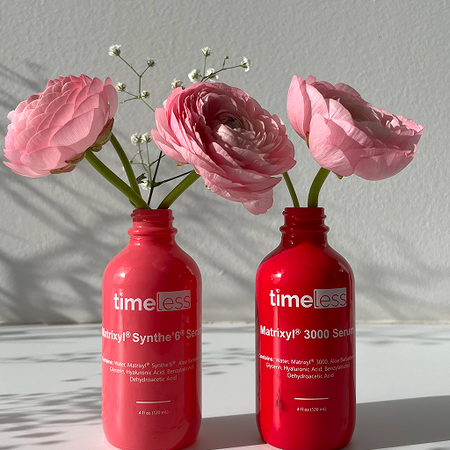
If you use multiple serums, apply the thinnest liquid first. Our Hydration category includes Hyaluronic Acid 100% Pure. Our Peptides collection includes Matrixyl® 3000 Serum. Allow each serum twenty to thirty seconds to absorb before applying the next layer.
Step 5: Eye Cream
The skin around the orbital bone is thinner than the rest of the face. Applying an eye formula before your facial moisturizer gives this delicate area dedicated cosmetic support.
Take a pea-sized amount of product on your ring finger and gently tap it along the orbital bone, moving from the inner corner outward. Our Eye category includes Dark Circle Peptide Complex Eye Cream. Avoid pulling or rubbing the skin.
Step 6: Moisturizer
A dedicated nighttime moisturizer provides comfort and helps reduce transepidermal water loss (TEWL), the water that evaporates from the skin's surface. Evening moisturizers often have slightly richer textures than daytime lotions because they do not need to sit beneath sunscreen or makeup.
Warm a nickel-sized amount between your fingertips and smooth it over your face, neck, and chest. Look for formulas containing ceramides, fatty acids, or cholesterol to support the surface barrier overnight.
Step 7: Facial Oil (Optional)
Facial oils are often among the thickest and most occlusive products in a routine. Because oil repels water, applying a face oil before a water-based serum or lotion can make it harder for those products to spread evenly.
If you have dry skin or live in an arid climate, pressing two to three drops of face oil over your moisturizer can create a protective top layer. This step helps reduce moisture loss while you sleep. Skip this step if you have naturally oily skin or find that facial oils feel too heavy.
| Step | Product Type | Primary Function | Application Tip |
|---|---|---|---|
| 1 | Cleansing Oil or Balm | Dissolves makeup, SPF, and surface sebum | Apply to dry skin and emulsify with water |
| 2 | Water-Based Cleanser | Clears residual dirt, sweat, and impurities | Use lukewarm water and gentle circular motions |
| 3 | Toner or Exfoliant | Prepares surface and smooths texture | Limit exfoliants to 2 to 3 nights weekly |
| 4 | Treatment Serums | Delivers concentrated cosmetic ingredients | Layer thinnest to thickest consistency |
| 5 | Eye Treatment | Supports the delicate orbital area | Tap lightly along the orbital bone |
| 6 | Night Moisturizer | Softens skin and supports surface barrier | Smooth over face, neck, and upper chest |
| 7 | Facial Oil (Optional) | Provides rich finish for dry skin | Press 2 to 3 drops gently over moisturizer |


Understanding Product Textures and Layering Rules
The sequence of your evening routine relies on basic chemistry and formulation science. Skincare products generally fall into three categories: water-based solutions, emulsions, and anhydrous (water-free) oils.
- Apply water-based serums.
- Apply light lotions.
- Apply rich creams.
- Apply plant oils.
Water-based serums typically have low viscosity and are often applied early in a routine. If you apply an oil or heavy cream first, it can leave a film on the stratum corneum. Water-based treatments applied over that film may spread less evenly.
Emulsions combine water and oil through emulsifying agents. Lotions often contain a higher ratio of water to oil, while night creams often have a higher lipid content. Layering a lighter lotion before a heavier cream can help the layers apply more evenly.
Note: If a product pills into tiny balls when you apply it, you may be using too much formula, rubbing too vigorously, or applying a water-based layer over a heavy silicone or oil base.
Selecting Ingredients for Your Nighttime Goals
Nighttime allows you to use ingredients that may feel too rich for daytime use or that increase photosensitivity under direct sunlight.
Hyaluronic Acid for Dehydration
Hyaluronic acid is a humectant, not a moisturizer. In topical skincare, it helps attract, bind, and retain water in the outer layers of the skin. It also helps support hydration in the upper layers of the epidermis and helps improve the appearance of dehydration lines.
Apply hyaluronic acid to slightly damp skin directly after cleansing or toning. Follow with a moisturizer. It helps reduce moisture loss during the night.
Peptides for Firmness and Texture
Peptides may help support the appearance of firmness while visibly smoothing fine surface lines and creases.
Peptides can be layered with humectants like hyaluronic acid and vitamin B5.
Vitamin B5 for Barrier Support
Vitamin B5 supports the skin barrier and helps the skin retain moisture. It also helps the skin feel more comfortable after exposure to harsh weather, wind, or dry indoor heating.
Retinoids for Uneven Texture
Retinoids, including retinol and retinaldehyde, are commonly used in evening routines for addressing rough texture and the appearance of fine lines. Because retinoids break down under sunlight and can make skin more sensitive to UV rays, they are often placed in nighttime routines.
Start using retinoids once or twice a week, gradually increasing frequency as your skin adjusts. If you experience surface dryness, apply a layer of moisturizer before your retinoid to buffer the formula.
Antioxidants and CoQ10
Antioxidants can also be included in an evening routine. CoQ10 provides antioxidant support as the skin's natural CoQ10 levels decline with age. It helps improve the appearance of fine lines and supports firmer-looking skin.
If you have vitiligo, check with your dermatologist before using a CoQ10 product.
How to use: Avoid applying CoQ10 serums directly under the eye area. Reserve that space for dedicated eye creams formulated specifically for delicate orbital skin.
Customizing Your Evening Routine by Skin Type
Different complexions can benefit from a slightly different balance of hydration, active ingredients, and emollients. Adjust your steps based on your current skin behavior.
Oily Skin
Oily skin can produce excess sebum, but it still requires surface hydration. Skipping moisturizer can leave skin feeling dehydrated, causing surface flaking alongside oiliness.
- Use a lightweight foaming gel cleanser.
- Select a non-comedogenic water-based serum containing niacinamide or low-concentration salicylic acid.
- Finish with an oil-free gel-cream moisturizer.
- Skip heavy face oils and rich occlusive balms.
Dry and Dehydrated Skin
Dry skin can lack natural lipids, while dehydrated skin can lack water in the upper epidermal layers. A complete evening routine can address both concerns.
- Use a nourishing cleansing balm followed by a hydrating cream cleanser.
- Apply a humectant serum to damp skin. It helps attract, bind, and retain water in the outer layers of the skin.
- Layer a rich cream containing ceramides and squalane.
- Press a plant oil over dry areas as a final step. It helps reduce transepidermal water loss (TEWL), the water that evaporates from the skin's surface.
Sensitive Skin
Sensitive skin can react to environmental changes, fragrances, and aggressive active ingredients. A minimalist evening routine can limit the risk of visible irritation.
- Use a fragrance-free, non-foaming lotion cleanser.
- Skip physical scrubs and strong chemical exfoliants.
- Use simple barrier-supporting serums with vitamin B5 or hyaluronic acid.
- Finish your routine with a gentle, basic cream formulated with minimal ingredients.
Setting Realistic Expectations for Skincare Results
Cosmetic skincare requires patience, consistency, and realistic expectations. The skin undergoes a natural renewal cycle where outer cells shed and replace themselves over several weeks.
Visible improvements in surface texture, hydration levels, and fine lines can occur gradually over time. Hydrating humectants offer immediate visual smoothing by improving dehydration lines on the surface, while changes in tone and firmness may take longer with regular use.
Individual reactions can vary, and anyone with a known sensitivity or diagnosed skin condition should check with their dermatologist before introducing new active formulas. Switching products every few days can make it difficult to evaluate performance and may increase the likelihood of surface irritation. Select a balanced sequence of steps, stick with it consistently, and adjust individual products based on seasonal climate shifts.
Always apply a broad-spectrum sunscreen with SPF 30 or higher every morning. Evening treatments like exfoliating acids and retinoids make consistent daytime sun protection especially important.
Frequently Asked Questions
What is the correct order for a basic night skincare routine?
A basic nighttime routine consists of three essential steps: cleanse, treat, and moisturize. First, remove makeup and grime with a gentle cleanser. Next, apply a targeted water-based serum for your specific skin concern. Finally, apply a facial moisturizer to soften the skin and help reduce moisture loss while you sleep.
Should I apply retinol before or after moisturizer?
Standard application places retinol on clean, dry skin before moisturizer so it makes direct contact with the surface. However, if your skin is prone to flaking or dryness, you can apply your moisturizer first, or sandwich the retinol between two light layers of lotion. This buffers the ingredient without completely blocking its cosmetic benefits.
Can I use multiple serums in my nighttime routine?
You can use two or three serums in a single evening if they target complementary concerns and have compatible textures. Always apply the thinnest, most watery formula first, followed by thicker gels. Avoid combining multiple strong exfoliating acids or mixing direct acids with retinoids in the same routine, as this can cause visible irritation.
How long should I wait between skincare steps at night?
Most skincare steps do not require long waiting times. You can apply water-based serums as soon as the previous layer absorbs and the skin feels slightly tacky, usually within thirty seconds. If you are applying prescription topical treatments, exfoliating acids, or strong retinoids, waiting a few minutes until the skin is fully dry can help minimize potential tingling and uneven absorption.