Introduction
Building a skincare routine is one way to care for your skin. However, having great products is only half the equation. The sequence in which you apply each formula can affect how products layer and feel.
When you apply formulas out of order, you may affect how they layer and feel. A heavy cream applied before a lightweight serum can make the lighter formula harder to spread evenly.
Layering products properly follows basic chemistry. Thin, fast-absorbing fluids go on first. Rich, protective formulas go on near the end.
This guide breaks down the correct skincare order of products for both morning and evening routines. You will learn the core rules of layering, how to sequence multiple active serums, and how to adapt your regimen to your individual skin goals. At Timeless Skin Care, formulas are made in the USA in small batches and are cruelty-free.
Quick Answer: Apply your skincare products starting with the thinnest, water-based textures and finish with the thickest, oil-based formulas. In the morning, always finish with a broad-spectrum sunscreen.
Core Rules of Skincare Layering
Before looking at step-by-step routines, it helps to understand the fundamental principles behind product sequencing. Once you know these rules, you can layer any product correctly without second-guessing yourself.
1. Thinnest to Thickest Texture
The general rule of thumb for any skincare routine is to apply products from thinnest to thickest consistency.
Water-weight liquids like toners, essences, and watery serums absorb quickly into the outer surface of your skin. If you apply a thick lotion or balm first, the lighter product may sit on top and absorb less evenly. Moving from liquid textures to gels, then lotions, creams, and finally dense balms helps each layer settle smoothly.
2. Water-Based Before Oil-Based
Water and oil do not mix easily. Water-based serums often contain humectants and antioxidants.
Oils and rich emollients are usually applied later in a routine. If you place a water-based liquid over a facial oil, the water may bead up and roll off. Apply water-based products first. Once they absorb, follow with lipid-rich or oil-based treatments.
3. Humectants Before Occlusives
Hyaluronic acid is a classic humectant. It helps attract, bind, and retain water in the outer layers of the skin.
Layer a humectant before a moisturizer. Occlusive ingredients, such as plant oils, squalane, and rich butters, can provide the final protective layer. A moisturizer helps reduce transepidermal water loss (TEWL), the water that evaporates from the skin's surface.
4. Daytime Defense vs. Nighttime Renewal
Your skin has different needs depending on the time of day.
- Morning routines focus on environmental defense and sunscreen. Your daytime products can include antioxidants and sunscreen.
- Evening routines focus on cleansing away the day, providing hydration, and using targeted cosmetic steps while your skin rests.
5. Sunscreen Is Always the Final Morning Step
No matter how many steps your morning routine contains, sunscreen must always be applied last before makeup. Sunscreen creates an even film over the skin to scatter and absorb UV rays. Putting a serum or moisturizer on top of sunscreen can disrupt that protective layer and affect its performance.


Step-by-Step Morning Skincare Routine Order
Your morning routine prepares your face for the day ahead. The goal is clean, comfortable skin supported by antioxidants and protected by daily SPF.
| Morning Step | Primary Purpose | Example Texture |
|---|---|---|
| 1. Cleanser | Removes overnight sebum and sweat | Water-based gel or gentle cream |
| 2. Hydrating Toner | Preps surface and provides light hydration | Liquid or essence |
| 3. Antioxidant Serum | Helps defend against oxidative stress caused by environmental factors such as UV exposure and pollution | Lightweight liquid or gel |
| 4. Hydrating / Peptide Serum | Water-based hydration or peptide step | Water-based serum |
| 5. Eye Cream (Optional) | Smooths the delicate eye area | Lightweight cream or gel |
| 6. Moisturizer | Helps reduce moisture loss | Lotion or gel-cream |
| 7. Sunscreen | Guards against UV exposure | Broad-spectrum SPF 30+ lotion |
Step 1: Gentle Cleanser
A morning cleanse removes sweat, excess sebum, and any residue from your nighttime products.
Use lukewarm water and a gentle, non-stripping cleanser. If you have very dry skin, a quick rinse with lukewarm water may be sufficient. Oily and combination skin types generally benefit from a mild foaming or gel cleanser to start with a fresh canvas.
Step 2: Hydrating Toner or Mist (Optional)
Toners are not strictly necessary for every person, but they provide an immediate boost of surface moisture.
A hydrating toner balances the skin after washing and leaves the face slightly damp. Applying your next skincare steps onto damp skin helps water-binding humectants perform at their best. Look for alcohol-free toners to avoid drying out the skin.
Step 3: Vitamin C or Antioxidant Serum
Morning is the most common time to apply an antioxidant serum, although it is not the only option. An antioxidant helps defend against oxidative stress caused by environmental factors such as UV exposure and pollution.
Vitamin C is one of the most widely researched antioxidants in skincare. It helps brighten the look of dullness and uneven tone. When using an L-ascorbic acid serum in the morning, pair it with a broad-spectrum sunscreen. Apply it early in your routine directly to clean, dry skin. Allow it a moment to settle before layering other water-based serums on top.
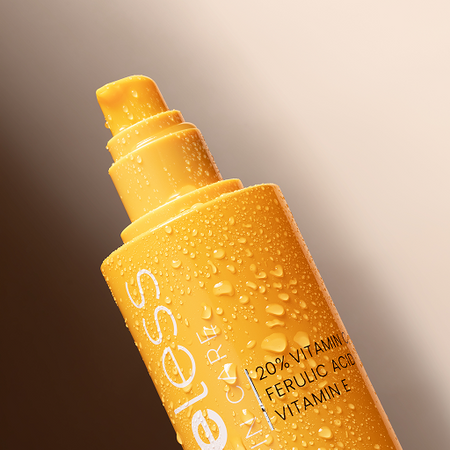
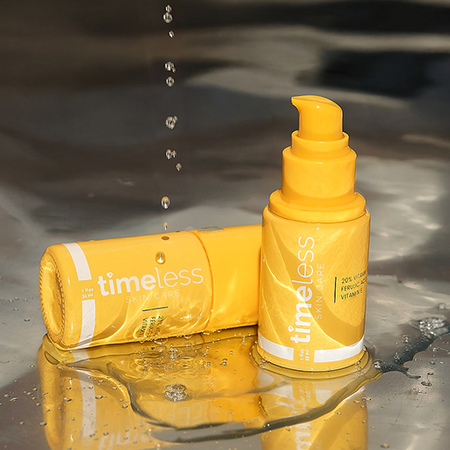
If you are exploring antioxidant options for your morning routine, you can look into our Vitamin C category, which includes the 20% Vitamin C + E Ferulic Acid Serum.
Step 4: Hydrating or Peptide Serums
Once your antioxidant serum has settled, apply your additional water-based treatments.
This is the ideal stage for humectant serums. Hyaluronic acid helps support hydration in the upper layers of the epidermis and helps improve the appearance of dehydration lines.
You can also layer peptide serums at this stage. A peptide formula may help support the appearance of firmness. If you are layering two water-based serums, apply the one that targets your primary cosmetic concern first.
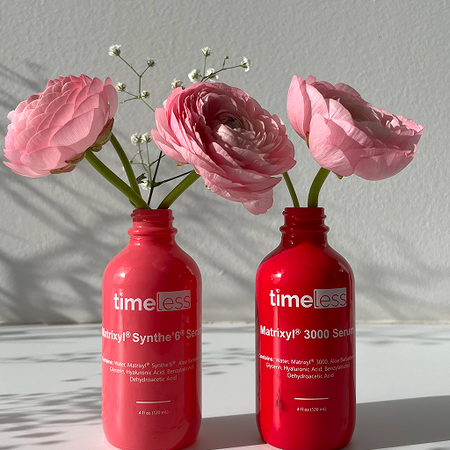
Our Peptides category includes the Matrixyl® 3000 Serum. Our Hydration category includes the Hyaluronic Acid 100% Pure.
Step 5: Eye Cream (Optional)
The skin around the eyes is thinner than the rest of the face. An eye cream provides targeted hydration to keep the eye area looking smooth and refreshed.
Use your ring finger to gently tap a pea-sized amount around the orbital bone. Applying eye cream before your full-face moisturizer helps the lighter eye formula absorb without competing with heavier face creams.
Step 6: Daily Moisturizer
A moisturizer provides emollient and occlusive support. It helps reduce transepidermal water loss (TEWL), the water that evaporates from the skin's surface, while keeping the surface smooth and comfortable.
- Oily skin: Choose a lightweight, oil-free gel or water-cream.
- Dry skin: Choose a richer cream containing ceramides, fatty acids, or plant butters.
- Combination skin: Use a light lotion across the entire face, adding extra cream only to dry patches.
If your sunscreen is sufficiently hydrating on its own, you can skip moisturizer in the morning and move straight to sun protection.
Step 7: Broad-Spectrum Sunscreen
Sunscreen is an important step in every morning skincare routine.
Choose a broad-spectrum sunscreen with an SPF rating of 30 or higher. Apply a generous amount to your entire face, neck, and the tops of your ears. Allow the sunscreen to dry down completely before applying makeup.
Key Takeaway: Always apply morning skincare from thinnest to thickest, and finish with a broad-spectrum sunscreen rated SPF 30 or higher.
Step-by-Step Evening Skincare Routine Order
Your evening routine focuses on thorough cleansing, targeted active treatments, and barrier support while you sleep.
- First Cleanse (Makeup / Sunscreen Removal): Use a cleansing oil, balm, or micellar water to break down long-wear makeup, sebum, and water-resistant sunscreen filters.
- Second Cleanse (Water-Based Cleanser): Follow with a gentle water-based cleanser to remove remaining impurities and refresh the surface of the skin.
- Exfoliant (2 to 3 Times Weekly): Apply chemical exfoliants like glycolic or lactic acid to remove surface dead skin cells. Use chemical exfoliants on alternate nights from other strong active treatments to avoid irritation.
- Targeted Serums: Apply your water-based treatment serums. This includes hydrating formulas, peptide complexes, or clarifying treatments.
- Lipid-Soluble Antioxidant or Retinoid: Apply lipid-soluble serums or specialized night treatments. Coenzyme Q10 is a lipid-soluble antioxidant naturally found in skin. It provides antioxidant support as the skin's natural CoQ10 levels decline with age. If you have vitiligo, check with your dermatologist before using a CoQ10 product.
- Nighttime Moisturizer: Apply a nourishing cream to help reduce moisture loss and support comfort overnight.
- Facial Oil (Optional): If your skin is exceptionally dry, press two to three drops of facial oil on top of your moisturizer as the final step.
How to Layer Multiple Serums and Active Ingredients
Many skincare routines feature more than one serum. Layering multiple treatments requires attention to texture, base ingredients, and skin tolerance.
Understanding Serum Formats
Serums come in three primary formats:
- Water-based serums: Lightweight, fluid, and quick to absorb. Examples include hyaluronic acid serums, niacinamide solutions, and peptide formulas.
- Anhydrous (water-free) serums: Slightly denser solutions formulated without water, often using propanediol or silicone bases.
- Oil-based serums: Richer fluids formulated with carrier oils and lipid-soluble active ingredients.
Always apply water-based serums first. Follow with anhydrous solutions, and finish with oil-based treatments.
Sequencing Multiple Water-Based Serums
If you have two water-based serums with similar viscosities, apply the one that addresses your main cosmetic priority first.
For instance, if your primary goal is the look of elasticity, apply a peptide serum first, followed by a hyaluronic acid serum. If dehydration is your main concern, apply your humectant serum first.
Peptide serums can be used alongside hydration products. Our Hydration category includes hyaluronic acid products.
For additional guidance, see our article on layering multiple serums.
Rotating Active Ingredients by Routine
Trying to apply every active ingredient in a single routine can overwhelm your skin. A smarter approach is to divide your active ingredients between morning and evening, or rotate them across different days of the week.
Here is an example of an active rotation:
- Morning (Every Day): Vitamin C serum. Follow with a broad-spectrum sunscreen.
- Monday / Wednesday / Friday Evening: A peptide serum that may help support the appearance of firmness, along with a hydrating serum.
- Tuesday / Thursday / Saturday Evening: Gentle exfoliating acid or retinoid treatment.
- Sunday Evening: Hydration and barrier support with humectants and a rich night cream.
Rotating products this way allows you to use different ingredients while giving your skin regular recovery periods.
Tailoring Your Skincare Order by Skin Type
Your underlying skin type can influence how many steps you need and which textures will work best.
For Dry Skin
Dry skin lacks natural oils and needs extra humectant and occlusive layers.
- Use a creamy, non-foaming cleanser that leaves the skin feeling comfortable.
- Apply humectant serums while the skin is still damp from cleansing or toning. Hyaluronic acid helps attract, bind, and retain water in the outer layers of the skin.
- Choose a rich cream with ceramides and plant oils.
- Consider finishing your evening routine with a nourishing face oil over your moisturizer.
For Oily Skin
Oily skin produces excess sebum but can still experience surface dehydration.
- Use a gentle foaming or gel cleanser twice daily to manage surface oils.
- Keep your serum steps lightweight and water-based.
- Do not skip moisturizer. Dehydrated skin can look oilier as it attempts to compensate for a lack of water.
- Choose an oil-free, non-comedogenic gel-cream or light lotion.
For Combination Skin
Combination skin features an oily T-zone, including the forehead, nose, and chin, with dry or normal cheeks.
- Use a balanced, gentle gel cleanser.
- Apply lightweight hydrating serums all over the face.
- Apply your moisturizer lightly across the T-zone, adding a thicker layer to dry cheeks.
Setting Realistic Expectations for Cosmetic Results
When starting a new skincare routine or adjusting your product order, patience and consistency are essential.
Skincare products work within the natural renewal cycle of your skin. The outer layer of skin cells gradually sheds and renews over time. Because of this natural process, visible cosmetic changes may take time.
- Hydration: Humectants can improve the appearance of surface hydration, smoothness, and dehydration lines.
- Radiance and Tone: The appearance of dullness and uneven tone may improve gradually with consistent antioxidant and sunscreen use.
- Firmness and Fine Lines: Cosmetic improvements in the appearance of skin elasticity, smoothness, and fine lines may require consistent, long-term application.
Individual reactions vary based on genetics, climate, age, and lifestyle. Anyone with a known sensitivity or a diagnosed skin condition should check with their dermatologist before introducing new active formulas into their routine.
Bottom line: Consistent application in the correct order can help simplify a routine. Use your chosen regimen consistently and evaluate how your skin responds.
Frequently Asked Questions
How long should you wait between applying skincare steps?
For most products, you do not need to wait long between steps. Once a product has absorbed into the skin and no longer feels wet, you can move to the next step.
The primary exception is sunscreen. Allow your moisturizer to absorb fully before applying sunscreen, and let your sunscreen dry down before applying any makeup over it.
What happens if you apply skincare products in the wrong order?
Applying products in the wrong order may affect how they layer and perform. If you apply a heavy cream or facial oil before a lightweight water-based serum, the oil may form a layer on the surface. That layer can make the water-based serum harder to spread evenly.
Additionally, mixing thick and thin products haphazardly can cause the formulas to pill, creating small clumps that roll off the face.
Can you use Vitamin C and peptide serums in the same routine?
Many people prefer to use Vitamin C in the morning to help defend against oxidative stress caused by environmental factors such as UV exposure and pollution, and use peptide serums in the evening.
When Vitamin C is used in the morning, pair it with a broad-spectrum sunscreen. A peptide formula may help support the appearance of firmness.
If you choose to use both in the same routine, check the texture of each product. Apply the thinner, water-based serum first. Allow it to absorb before applying the next formula.
Should face oil go before or after moisturizer?
Face oil should generally go after your moisturizer, or be mixed directly into it.
Moisturizers contain both water and oil components to hydrate and condition the skin. A face oil is entirely lipid-based and acts as an occlusive layer. Applying oil after your moisturizer leaves it as the final layer.