Introduction
Layering skincare can feel complicated when you add a specialty treatment to your morning or evening routine. Face masks offer concentrated formulas designed to target specific cosmetic concerns, but applying them in the wrong sequence may affect how they feel on the skin or contribute to surface irritation.
The placement of a face mask in your regimen is determined primarily by its physical format and whether it is rinsed away or left on the skin. A wash-off clay mask requires a different position in your routine than a saturated sheet mask or a rich overnight treatment.
Founded in 2009 by Veronica Pedersen, Timeless Skin Care focuses on clean, straightforward formulations. This guide explains how to sequence every mask type correctly, how to layer your leave-on serums and creams around them, and how to avoid overloading your skin.
Quick Answer: Wash-off, clay, and exfoliating masks go immediately after cleansing on dry skin. Sheet masks go after cleansing and toning, right before your moisturizer. Overnight masks go on as the final step of your nighttime routine, either replacing or following your regular moisturizer.
How Mask Format Dictates Your Skincare Order
The simplest way to determine where a mask belongs is to look at how it interacts with the skin. Masks fall into three practical categories: rinse-off treatments, leave-on sheet or hydrogel formulas, and overnight sleep masks.
Rinse-Off and Wash-Off Masks
Rinse-off masks include traditional clay formulas, cream-based wash-off packs, and exfoliating acid gels. These formulas need direct contact with bare skin to absorb surface oils or loosen superficial dead cells.
Because you rinse these formulas off with lukewarm water, they should be applied before any leave-on serums, facial oils, or moisturizers. Applying a rinse-off mask over leave-on products may remove them when you rinse.
Sheet and Hydrogel Masks
Sheet masks and hydrogels consist of fabric, cellulose, or gel soaked in a concentrated liquid essence. These formulas are designed to remain on the skin without rinsing.
The sheet acts as a temporary barrier that slows liquid evaporation while you wear it. This can support temporary hydration during the application window. Sheet masks belong after cleansing and water-light toners, taking the place of your lightweight water-based serum step or sitting directly ahead of your daily moisturizer.
Overnight and Sleep Masks
Overnight masks are thick creams or occlusive gel formulas designed to stay on your skin while you rest. These treatments belong at the very end of your evening routine. Depending on your skin type and the weight of the formula, an overnight mask either layers directly over your regular moisturizer or takes its place entirely.
| Mask Format | Primary Routine Position | Rinse Required? | Follow With |
|---|---|---|---|
| Clay or Mud Mask | Immediately after cleansing | Yes | Toner, Serum, Moisturizer |
| Exfoliating Acid Mask | Immediately after cleansing | Yes | Hydrating Serum, Moisturizer |
| Wash-Off Gel or Cream | Immediately after cleansing | Yes | Serum, Moisturizer |
| Sheet or Hydrogel Mask | After cleansing and toner | No | Moisturizer or Facial Oil |
| Overnight Sleep Mask | Final step of evening routine | No (rinse next morning) | None (sleep) |


Step-by-Step Morning and Evening Mask Sequences
Fitting a mask into your existing skincare routine requires maintaining a foundational order of skincare: lightest water-based formulas first, progressing to heavier lipid-based creams, followed by sun protection in the daytime.
Morning Routine with a Wash-Off or Sheet Mask
Morning masking is popular for refining the look of pores before makeup or giving the skin a refreshed appearance before starting the day.
- Cleanse the face using a gentle, non-stripping facial cleanser.
- Apply your rinse-off mask to dry skin, or place your sheet mask evenly over the face.
- Follow the recommended wear time on the product label.
- Rinse thoroughly with lukewarm water if using a wash-off mask, or remove the sheet mask and gently pat the remaining essence over your face and neck.
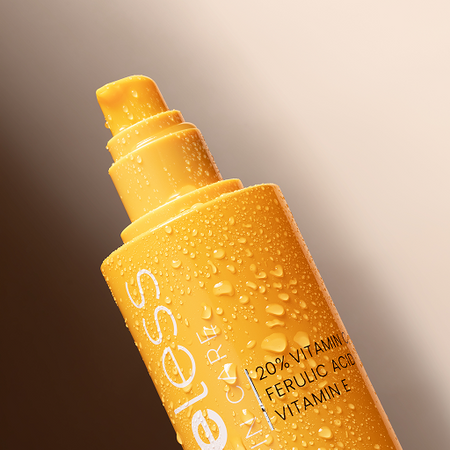
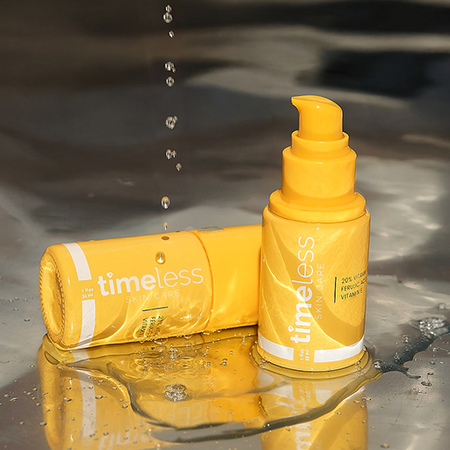
- Apply a water-based antioxidant serum. A vitamin C formula helps brighten the look of dullness and uneven tone. A vitamin C formula helps defend against oxidative stress caused by environmental factors such as UV exposure and pollution. The 20% Vitamin C + E Ferulic Acid Serum is a vitamin C serum.
- Apply a daily facial moisturizer that helps reduce moisture loss.
- Finish with a broad-spectrum sunscreen with an SPF of 30 or higher. Sunscreen must always be the final step of any daytime skincare routine.
Key Takeaway: If you mask in the morning, broad-spectrum sunscreen remains non-negotiable. Sun protection safeguards your skin from UV rays, regardless of which mask or serum you apply underneath.
Evening Routine with an Overnight or Exfoliating Mask
Nighttime is the standard window for clarifying treatments, resurfacing formulas, or richer hydration steps.
- Remove makeup, sunscreen, and daily debris with an oil cleanser or micellar water.
- Complete your cleanse with a gentle water-based wash.
- Apply your exfoliating or clay mask to clean skin, leave on for the specified time, and rinse thoroughly. Skip this step if you are using an overnight mask later.
- Apply a hydrating toner or essence if you use one in your routine.
- Smooth on your targeted treatment serums. For dry or tight skin, a formula featuring sodium hyaluronate helps support hydration in the upper layers of the epidermis. The Hyaluronic Acid 100% Pure product is a hyaluronic acid product. For visible aging concerns, peptide formulas may help support the appearance of firmness.
- Apply your standard night cream. A moisturizer helps reduce moisture loss.
- Smooth a thin layer of an overnight mask over your moisturizer, or apply it directly in place of your night cream.
The evening sequence is:
- Cleanse.
- Apply a rinse-off mask, if using one.
- Apply toner or essence.
- Apply targeted serums.
- Apply moisturizer or an overnight mask.
Layering Active Ingredients Around Your Face Mask
Pairing face masks with active serums requires attention to ingredient compatibility. Stacking too many strong ingredients in one session can overwhelm the skin surface.
Exfoliating Masks and Direct Acids
Exfoliating masks frequently contain alpha hydroxy acids, like glycolic or lactic acid, or beta hydroxy acids, such as salicylic acid. These ingredients can help improve the appearance of skin texture.
When you use an exfoliating rinse-off mask, avoid applying leave-on retinoids, strong direct acids, or high-concentration L-ascorbic acid serums immediately afterward. Instead, follow an exfoliating mask with gentle humectants and barrier-supporting formulas that help the skin feel more comfortable.
Clay Formulas and Oil Control
Clay masks rely on minerals like kaolin and bentonite to absorb excess sebum from the skin surface. While helpful for oily areas, clay can leave the surface feeling tight if left on too long.
After rinsing away a clay mask, replenish surface hydration promptly. Humectant serums containing sodium hyaluronate work well here because the ingredient helps attract, bind, and retain water in the outer layers of the skin without adding unwanted oil.
Antioxidants and Peptides
Antioxidant ingredients and peptide serums layer well after hydrating sheet masks or mild wash-off formulas. For example, ubiquinone is a lipid-soluble antioxidant naturally found in skin. It provides antioxidant support as the skin's natural CoQ10 levels decline with age. CoQ10 helps improve the appearance of fine lines and supports firmer-looking skin. The Coenzyme Q10 Serum is a CoQ10 serum.
Note: If you have vitiligo, check with your dermatologist before using a CoQ10 product.
Maximizing Humectants and Occlusives After Masking
Understanding how humectants and occlusives function can help you choose the next step after masking.
The Role of Humectants
Common humectants include glycerin, sodium hyaluronate, and pantothenic acid derivatives.
Sodium hyaluronate is the sodium salt of hyaluronic acid. Hydrolyzed hyaluronic acid is hyaluronic acid broken into smaller fragments, which may penetrate slightly further into the outer layers of the skin. Hyaluronic acid is a humectant, not a moisturizer. Hyaluronic acid helps attract, bind, and retain water in the outer layers of the skin. It helps support hydration in the upper layers of the epidermis. It helps improve the appearance of dehydration lines.
The Role of Occlusives and Emollients
Occlusives and emollients are lipid-based ingredients such as squalane, ceramides, shea butter, and plant oils. They form a protective physical film on the stratum corneum.
A well-formulated moisturizer helps reduce transepidermal water loss (TEWL), the water that evaporates from the skin's surface. Applying a moisturizer after a sheet mask or a rinse-off mask helps reduce moisture loss.
Common Face Mask Mistakes to Avoid
Even seasoned skincare enthusiasts can make simple timing and application errors that affect their skin barrier.
- Leaving clay masks on until they crack: Clay masks should be rinsed off when they feel firm but before they become chalky and brittle. Allowing clay to dry completely can leave skin feeling dry.
- Skipping moisturizer after sheet masks: A sheet mask can provide temporary hydration. A moisturizer helps reduce moisture loss afterward.
- Layering masks over dirty skin: Applying a mask over makeup or daily sunscreen may keep the mask from contacting the skin surface cleanly and can contribute to product buildup in pores.
- Doubling up on strong exfoliants: Using an exfoliating mask followed immediately by a leave-on exfoliating toner or retinol increases the likelihood of redness and flaking.
- Masking too frequently: Using clarifying or exfoliating masks daily can disrupt surface balance. Limit clarifying treatments to once or twice weekly.
Realistic Expectations for Mask Results
Face masks deliver immediate cosmetic refinement, such as temporary hydration, a softer texture, or a reduction in surface shine. However, lasting improvements in skin appearance may depend on consistent daily care rather than occasional treatments.
Individual reactions vary across different skin profiles. Cosmetic results from active ingredients may develop gradually with sustained use. A mask should complement, not replace, a consistent foundational routine built around cleansing, targeted serum application, moisturizing, and daily broad-spectrum sun protection. If you have a diagnosed skin condition or a known sensitivity, check with your dermatologist before introducing new mask formulas.
Frequently Asked Questions
Should I apply a face mask before or after my serum?
Rinse-off masks, such as clay and exfoliating formulas, are generally applied before serums on freshly cleansed skin. Sheet masks can either replace your water-based serum step or go directly before your serums and creams. Overnight masks are applied after your serums as the final leave-on step of your evening routine.
Do I need to wash my face after using a sheet mask?
Usually, you do not need to rinse your face after removing a sheet mask. The liquid remaining on your skin may contain humectants and conditioning agents. Gently pat the leftover essence into your face, neck, and chest, then apply your facial moisturizer to help reduce moisture loss.
Can I use a face mask every day?
Gentle hydrating sheet masks or basic cream wash-off masks can be used daily if your skin tolerates them well. However, exfoliating masks containing acids and purifying clay masks should be limited to once or twice per week to avoid surface dryness and irritation.
Where does toner go when using a wash-off face mask?
Apply a wash-off mask immediately after cleansing on clean, dry skin. Once you rinse the mask away with water and pat your skin dry, apply your toner. Following this sequence places toner before the serums and moisturizer that follow.