Introduction
Building an effective evening routine requires more than simply choosing quality skincare products. The sequence in which you apply each step can influence how well those formulas work with your skin.
During the daytime, your routine centers on shielding your skin from environmental elements like sun exposure and air pollution. At night, the focus shifts toward supporting hydration and applying concentrated ingredients while your body rests.
Applying products in the wrong sequence can make it harder for lightweight formulas to spread evenly across the skin. A thick cream applied before a water-based serum, for instance, can make the serum harder to spread evenly.
Timeless Skin Care was founded in 2009 by Veronica Pedersen to provide straightforward, ingredient-focused formulas that fit seamlessly into any regimen. All formulas are made in the USA in small batches to maintain quality and freshness.
This guide breaks down the correct order of skincare products at night, explains the logic behind product layering, and helps you structure an evening routine tailored to your skin needs.
Key Takeaway: The fundamental rule of evening skincare layering is to apply products from the thinnest consistency to the thickest consistency.
The Thinnest-to-Thickest Rule Explained
The standard principle for layering skincare is straightforward: move from the lowest viscosity to the highest viscosity.
Water-based formulas are typically lightweight in texture. These liquids are generally applied to clean skin first. If an oil-rich cream or dense balm is applied first, it can make it harder for lighter, water-based solutions to spread evenly.
Understanding how different product bases interact helps clarify this sequence:
- Water-based liquids and gels: Toners, essences, and watery serums are lightweight options for the skin surface.
- Emulsions and light lotions: These contain a blend of water and light conditioning agents to soften the skin surface.
- Creams and lipid-rich moisturizers: These denser formulas contain heavier emollients that rest over the lighter layers.
- Facial oils: Oil-based liquids are generally used as a final layer to condition and soften dry areas.
| Step Type | Primary Texture | Purpose in Routine | Example Products |
|---|---|---|---|
| First Cleanser | Oil or balm | Dissolves makeup, sunscreen, and excess sebum | Cleansing balms, cleansing oils |
| Second Cleanser | Gel, foam, or cream | Cleanses the skin surface of residual impurities | Gentle foaming cleansers, hydrating gels |
| Hydrating Prep | Liquid or fine mist | Prepares skin and delivers initial humectants | Hydrating toners, skin mists |
| Treatment Serums | Lightweight liquid or gel | Delivers concentrated cosmetic ingredients | Hydrating serums, peptide serums |
| Eye Care | Cream or gel-emulsion | Targets the delicate skin around the eye contour | Eye creams, peptide eye gels |
| Moisturizer | Lotion, cream, or rich balm | Softens skin and helps reduce moisture loss | Night creams, barrier lotions |
| Facial Oil | Oil-based liquid | Provides external conditioning for very dry skin | Squalane, argan oil, rosehip oil |


The Step-by-Step Nighttime Routine Order
Following a structured step-by-step sequence can help you use your evening products consistently. Here is the recommended order of application. For additional guidance, see this article on how to layer multiple serums.
Step 1: Cleansing and Double Cleansing
Cleansing is the foundation of any nighttime skincare routine. Throughout the day, your skin collects sunscreen, cosmetic makeup, airborne debris, and natural oils. Leaving these residues on your face can clog pores and make it harder for subsequent products to spread evenly.
Many people benefit from a double cleanse in the evening:
- Oil-Based Cleanser: Apply a cleansing oil or balm to dry skin. Gently massage it across your face to break down water-resistant sunscreen and makeup. Rinse with lukewarm water.
- Water-Based Cleanser: Follow with a gentle gel, milk, or foaming cleanser on damp skin. This step removes sweat, water-based debris, and any remaining oil residue without stripping the skin barrier.
If you do not wear heavy makeup or water-resistant sunscreen, a single gentle water-based cleanse may be sufficient. Avoid harsh, high-pH soaps that leave your face feeling tight or dry.
Step 2: Hydrating Toners, Essences, or Mists
After cleansing, you may choose to apply a hydrating toner, essence, or facial mist. While not mandatory for every routine, this step delivers lightweight humectants directly to freshly washed skin.
Modern toners are designed to hydrate rather than strip the skin with high alcohol concentrations. Spraying a mist or pressing a liquid toner onto your face creates a slightly damp surface that works well for subsequent humectant serums.
Step 3: Targeted Serums and Peptides
Serums are concentrated liquid formulas designed to address specific cosmetic concerns such as dryness, dullness, or the appearance of fine lines.
Because serums are typically water-based and thin, they belong immediately after cleansing and toning. If you use multiple serums in a single evening, apply the thinnest, most watery formula first, followed by slightly thicker gel serums.
Common evening serum categories include:
- Hyaluronic Acid: Hyaluronic acid is a humectant. It helps attract, bind, and retain water in the outer layers of the skin. It helps support hydration in the upper layers of the epidermis. It helps improve the appearance of dehydration lines. For more information about this ingredient, visit the ingredient glossary. Apply hyaluronic acid while the skin is still slightly damp from cleansing or misting. For a focused option in this category, look to Hyaluronic Acid 100% Pure.
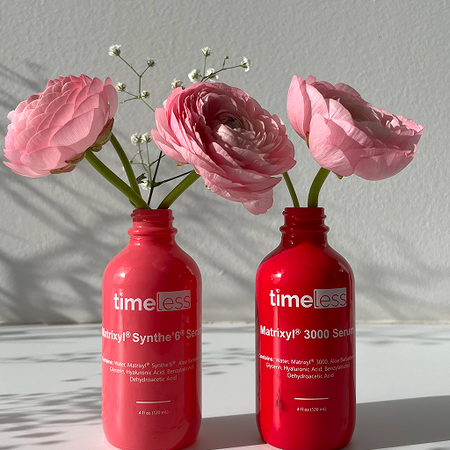
- Peptides: Peptides are short chains of amino acids. In cosmetic formulas, peptides may help support the appearance of firmness. If you wish to incorporate a peptide option into your routine, consider Matrixyl® 3000 Serum.
- Exfoliating Acids: Alpha hydroxy acids, like glycolic or lactic acid, and beta hydroxy acids, like salicylic acid, help sweep away dead skin cells from the surface. Use exfoliating serums only two to three nights per week to avoid over-exfoliation.
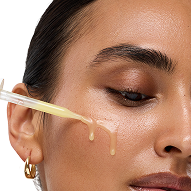
How to use: Dispense three to five drops of your chosen serum onto your fingertips. Gently press and smooth the liquid across your face and neck. Allow 30 to 60 seconds for the serum to absorb before moving to the next layer.
Step 4: Eye Cream
The skin around the eyes is naturally thinner than the skin on the rest of the face. Eye formulas are specifically formulated to accommodate this delicate area.
Applying your eye product before your heavy face cream ensures that the lightweight, targeted ingredients can spread across the orbital area without competing with dense facial moisturizers. For an option designed specifically for the eye area, explore Dark Circle Peptide Complex Eye Cream.
To apply:
- Dispense a pea-sized amount of eye cream for both eyes.
- Use your ring finger, which naturally applies the least pressure.
- Gently tap the product along the orbital bone, working from the inner corner outward.
- Avoid placing product directly against the lash line or inside the eye.
Step 5: Moisturizer
A moisturizer can be a useful step in a nighttime routine.
Even after applying hydrating serums, a moisturizer can add emollients and occlusives. This layer helps reduce transepidermal water loss (TEWL), the water that evaporates from the skin's surface, while you sleep. It also helps reduce moisture loss caused by dry indoor heating or air conditioning.
- For oily or combination skin: Choose a lightweight gel-cream or oil-free lotion that hydrates without feeling heavy.
- For dry or mature skin: Opt for a richer cream containing nourishing lipids, ceramides, or fatty acids to condition the outer skin barrier.
Smooth a nickel-sized amount over your face and neck using upward strokes.
Step 6: Facial Oils (Optional)
Facial oils are an optional final step for individuals experiencing pronounced dryness or flakiness.
Because oils are lipid-based, they are generally used as the final layer in a routine. Applying an oil over your moisturizer can help soften rough texture and provide an additional layer of conditioning comfort for very dry skin types.
If you choose to use an oil:
- Dispense two to three drops into your palms.
- Rub your hands together to distribute the oil lightly.
- Press your palms gently onto your cheeks, forehead, and chin as the very last step of your nighttime routine.
Note: Keep your evening steps focused on supporting the skin surface.
Nighttime Layering vs. Daytime Layering
The structure of a daytime skincare routine shares several similarities with an evening routine, but the core objectives differ.
Understanding these differences helps prevent product waste and ensures your skin receives appropriate care throughout the twenty-four-hour cycle.
| Factor | Morning Routine | Evening Routine |
|---|---|---|
| Primary Goal | Defense, daily hydration, and sun protection | Surface hydration and comfort |
| Cleansing Approach | Splash of water or a single gentle cleanse | Double cleansing to remove makeup, sunscreen, and grime |
| Antioxidant Support | Vitamin C helps defend against oxidative stress caused by environmental factors such as UV exposure and pollution | Peptides and hydrating humectants support surface comfort and appearance |
| Exfoliants | Generally avoided to prevent daytime sun sensitivity | Applied two to three nights weekly |
| Final Step | Broad-spectrum sunscreen with SPF 30 or higher | Rich moisturizer, night cream, or optional face oil |
Daily broad-spectrum sunscreen is a non-negotiable daytime step. Sun exposure is one of the primary drivers of visible skin changes, including uneven tone, loss of elasticity, and fine lines. If you use vitamin C in the morning, always pair it with broad-spectrum sunscreen. While sunscreen belongs primarily in the morning, the rest of your daytime steps should support a smooth application for your sun protection.
In contrast, your nighttime routine does not require SPF. This allows you to apply richer creams and concentrated cosmetic serums that might otherwise feel too heavy under makeup or sunscreen during the day.
Common Evening Skincare Mistakes to Avoid
Even with quality products, simple application mistakes can limit the effectiveness of your nighttime routine. Watch out for these common missteps.
Applying Products Out of Order
Putting a heavy cream or face oil on before a water-based hyaluronic acid serum can make it harder for the serum to spread evenly across the skin. Always check the texture of your formulas: watery solutions go first, followed by light lotions, dense creams, and finally oils.
Overloading Active Ingredients
Using multiple exfoliating acids, retinoids, and strong treatments in the same evening can overwhelm the skin surface. When too many potent formulas are layered together, the skin barrier may become irritated, leading to dryness, redness, and flaking.
Rotate your strong treatments across different nights rather than stacking them all in a single evening.
Applying Humectants to Completely Dry Skin
Humectants like hyaluronic acid help attract, bind, and retain water in the outer layers of the skin. If you apply a humectant serum to completely dry, parched skin in an arid room, it has less ambient surface moisture to work with.
To support this hydrating step, mist your face or leave your skin slightly damp after cleansing before pressing on your humectant serum.
Skipping Moisturizer on Oily Skin
Individuals with oily skin may avoid moisturizer out of concern that it will feel too heavy. However, cleansing without moisturizing can leave the upper layers dehydrated.
A light, non-comedogenic lotion or gel moisturizer helps reduce moisture loss without adding unnecessary heaviness.
Neglecting the Neck and Decollete
The skin on the neck and chest is delicate and frequently exposed to the same environmental stressors as the face. Extend your evening serums and moisturizers down to your neck and upper chest to keep these areas hydrated and conditioned.
Managing Irritation and Ingredient Compatibility
Everyone's skin reacts differently to topical products. While some individuals tolerate layered serums with ease, others have skin that easily experiences redness or sensitivity.
If you have a diagnosed skin condition or a known history of sensitivity, check with your dermatologist before introducing new active formulas into your evening sequence.
When building a new nighttime lineup, keep these safety principles in mind. The DIY Build Your Kit collection can help organize product selection.
- Introduce one product at a time: Add a new serum or cream into your routine for two weeks before introducing another. This makes it easy to identify which product is responsible if your skin reacts.
- Alternate strong treatments: If you use an exfoliating acid serum, use it on nights when you are not using other concentrated treatments.
- Buffer when necessary: If a treatment feels too intense, applying a light layer of moisturizer beforehand can help the skin feel more comfortable.
- Pay attention to seasonal shifts: Skin tends to lose more water during cold winter months due to artificial indoor heating. You may need to swap a light evening lotion for a richer cream during colder seasons.
If you choose to use CoQ10 in your routine, one option in this category is the Coenzyme Q10 Serum. CoQ10 provides antioxidant support as the skin's natural CoQ10 levels decline with age. It helps improve the appearance of fine lines. It supports firmer-looking skin. If you have vitiligo, check with your dermatologist before using a CoQ10 product.
Realistic Expectations for Your Evening Routine
Skincare is a long-term investment in the visible health and appearance of your skin. While a hydrating evening routine may provide softness and comfort, changes to skin texture, tone, and fine lines take time.
The outer layer of the skin naturally turns over through a continuous biological cycle. Because cosmetic products work gradually within the upper layers of the epidermis, consistency is required to see lasting cosmetic improvements.
Bottom Line: Consistent application supports gradual cosmetic improvements in firmness, clarity, and tone.
Do not expect overnight transformations. A structured routine applied consistently, paired with daily broad-spectrum sun protection during the day, provides a steady foundation for healthy, radiant-looking skin.
Frequently Asked Questions
How long should I wait between applying skincare steps at night?
You generally do not need to wait several minutes between every step. For most hydrating toners, essences, and serums, waiting 30 to 60 seconds for the liquid to absorb into the surface is sufficient before applying your next layer. If you are applying an exfoliating acid or a specialized treatment, allowing it one to two minutes to settle before applying your moisturizer can help prevent product pilling.
Can I use the same moisturizer for both morning and night?
Yes, as long as your daytime moisturizer does not contain sunscreen. If you use a standalone broad-spectrum sunscreen in the morning, a simple, hydrating moisturizer can serve as your hydrator for both AM and PM routines. However, many people prefer a lighter lotion under their daytime sunscreen and a richer, more conditioning cream for the evening.
Should I apply facial oil before or after my night cream?
Facial oil is generally applied after your night cream. Oils are lipid-based and have an occlusive nature that sits on the outermost surface of the skin. If you apply a facial oil before a water-based moisturizer, the moisturizer may have a harder time spreading through the lipid layer. Applying two to three drops of oil over your cream can help condition dry areas and provide extra surface softness.
What should I do if my skincare products start pilling when layered?
Product pilling occurs when formulas do not absorb properly and roll into tiny balls on the surface of the skin. This typically happens when you apply too much product, layer incompatible silicone- and water-based formulas, or do not give layers sufficient time to settle. To prevent pilling, reduce the amount of product used, apply formulas from thinnest to thickest consistency, and gently pat products into the skin rather than rubbing vigorously.