Introduction
Knowing in what order to apply skincare makes a noticeable difference in how your products perform. You might have assembled a collection of quality formulas, but applying them in the wrong sequence can limit their absorption or cause formulas to pill on the skin.
Skincare layering follows a logical framework based on texture, molecular weight, and formulation vehicle. The fundamental guideline is simple: apply products from thinnest to thickest consistency, placing water-based formulas before oil-based ones. Learn more about building a routine with our skincare quiz.
Founded in 2009 by Veronica Pedersen, Timeless Skin Care focuses on clean, concentrated active formulas designed to fit neatly into daily routines. Products are made in the USA in small batches to maintain quality. Understanding how to sequence your formulas ensures you get the most out of every step.
Quick Answer: Apply skincare from thinnest to thickest. Start with cleansing, move to watery toners and serums, follow with creams or facial oils, and always finish your morning routine with broad-spectrum sunscreen.
The Core Rule: Layering by Consistency and Base
The physical vehicle of a skincare product influences how it sits on the surface of your face. Lighter, water-based solutions may not pass easily through heavy, occlusive oils or dense creams.
To sequence your products effectively, sort them by their vehicle and viscosity. For more guidance, read about layering multiple serums:
- Water-based liquids: Toners, watery essences, and light fluid serums.
- Water-based gels and emulsions: Slightly thicker serums and lightweight lotions.
- Anhydrous solutions and light oils: Water-free serums and fast-absorbing facial oils.
- Creams and balms: Heavier emulsions and rich creams.
- Occlusives and heavy oils: Dense face oils and barrier ointments.
When you apply a humectant like hyaluronic acid, it helps attract, bind, and retain water in the outer layers of the skin. If you place a heavy cream on your face first, the water-based humectant may not reach those upper layers as effectively.
Conversely, a moisturizer helps reduce transepidermal water loss (TEWL), the water that evaporates from the skin's surface. Applying your moisturizer near the end of your routine helps reduce moisture loss.
Key Takeaway: Water and oil do not mix easily on the skin. Applying water-based treatments first may help them reach the surface without being blocked by heavier oils.


Morning Skincare Order: Daily Defense and Hydration
Your morning regimen should focus on hydration and daily defense against daytime environmental stressors.
Here is the step-by-step morning sequence:
- Cleanser: Wash your face with lukewarm water or a gentle, non-stripping cleanser to remove nighttime sweat and oil.
- Toner or Hydrating Mist: Apply a fluid toner to prepare the skin surface for subsequent treatments.
- Antioxidant Serum: Vitamin C is popular in the morning and should always be paired with broad-spectrum sunscreen. It helps defend against oxidative stress caused by environmental factors such as UV exposure and pollution. Vitamin C also helps brighten the look of dullness and uneven tone. For category information, visit our Vitamin C category.
- Hydrating or Peptide Serums: Apply any secondary water-based treatments. Hyaluronic acid helps support hydration in the upper layers of the epidermis. Peptides may help support the appearance of firmness.
- Eye Cream: Gently tap an eye treatment around the orbital bone using your ring finger.
- Moisturizer: Apply a daily cream to help reduce moisture loss.
- Broad-Spectrum Sunscreen: Finish with a generous layer of broad-spectrum sunscreen rated SPF 30 or higher.
Sunscreen is the mandatory final step of every morning routine. Sunscreens are formulated to create an even protective film across the skin. Layering serums or creams over your sunscreen may disrupt this film.
| Morning Step | Product Type | Primary Purpose |
|---|---|---|
| Step 1 | Gentle Cleanser | Clears surface oil and overnight residue |
| Step 2 | Hydrating Toner | Prepares skin surface for liquid serums |
| Step 3 | Antioxidant Serum | Supports the skin's antioxidant defenses |
| Step 4 | Hydrating Serum | Helps improve the appearance of dehydration lines |
| Step 5 | Eye Cream | Delivers targeted hydration to the eye contour |
| Step 6 | Daily Moisturizer | Helps reduce moisture loss |
| Step 7 | Sunscreen | Delivers broad-spectrum UV protection |
Evening Skincare Order: Nighttime Care and Barrier Support
Your evening routine allows you to clear away makeup, sunscreen, and daily pollutants while delivering targeted ingredients to support the skin surface overnight.
Follow this evening order:
- First Cleanse (Makeup Removal): Use an oil cleanser, cleansing balm, or micellar water to break down stubborn makeup, water-resistant sunscreen, and surface sebum.
- Second Cleanse: Follow with a gentle water-based face wash to clear away remaining residue.
- Exfoliant (1 to 3 times weekly): If using chemical exfoliants like alpha hydroxy acids (AHAs) or beta hydroxy acids (BHAs), apply them directly to clean, dry skin after cleansing.
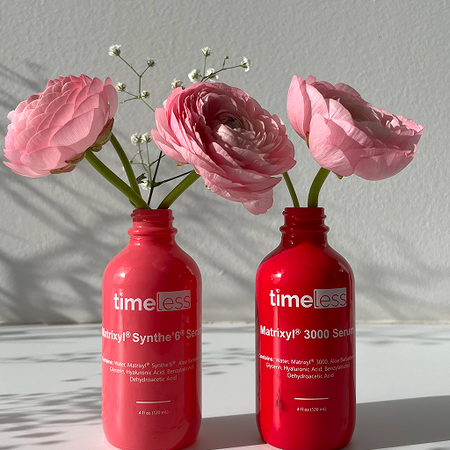
- Water-Based Serums: Layer your thinnest water-soluble treatments first. Vitamin B5 supports the skin barrier and helps the skin retain moisture. For peptide options, Timeless Skin Care offers Matrixyl® 3000 Serum in our peptides category.
- Specialty or Antioxidant Serums: Apply richer serums. CoQ10 provides antioxidant support as the skin's natural CoQ10 levels decline with age. It helps improve the appearance of fine lines. The antioxidant category includes Coenzyme Q10 Serum. If you have vitiligo, check with your dermatologist before using a CoQ10 product.
- Night Moisturizer: Smooth on a night cream. An evening moisturizer helps reduce transepidermal water loss (TEWL), the water that evaporates from the skin's surface while you sleep.
- Facial Oil (Optional): If you use a pure plant oil or heavy facial oil, pat two to three drops over your moisturizer as the final step.
Note: Never apply CoQ10 under the eyes. Reserve the delicate eye contour for formulas specifically intended for that area.
Managing Active Ingredients and Realistic Expectations
Layering multiple concentrated formulas requires balance. Applying every active ingredient at the exact same time can overwhelm the skin barrier.
Managing Ingredient Conflicts
Certain ingredients perform better when separated across different times of day:
- Vitamin C and Retinoids: Vitamin C is commonly applied in the morning and should always be paired with broad-spectrum sunscreen. Retinoids are best reserved for nighttime use.
- Direct Exfoliants and Strong Actives: Avoid combining strong exfoliating acids and potent retinoids in the same evening session. Alternate them on different nights to maintain skin comfort.
- Serums with Similar Textures: If you have two water-based serums, apply the one that targets your primary aesthetic concern first.
Setting Realistic Cosmetic Expectations
Skincare products may deliver gradual cosmetic improvements. Visible changes in surface texture, hydration lines, and skin tone vary with regular use.
Individual skin responses vary based on age, genetics, environment, and formulation strength. If you experience persistent irritation or have a diagnosed skin condition, check with your dermatologist to adjust your routine.
Frequently Asked Questions
How long should I wait between applying each skincare step?
Most products do not require long wait times. You can apply the next product as soon as the previous layer feels absorbed and no longer tacky. The main exceptions are chemical exfoliants, which benefit from a minute or two to settle, and morning sunscreen, which should set fully before you apply base makeup.
Can I mix my serum directly into my moisturizer to save time?
It is generally best to apply serums and moisturizers separately. Mixing two distinct formulas in your hand can destabilize their emulsification systems or dilute active ingredient concentrations. Layering them sequentially ensures each product performs as formulated.
Do I need to apply eye cream before or after moisturizer?
If your eye cream has a lighter, more fluid texture than your facial moisturizer, apply it before your moisturizer. If your eye cream is richer and heavier than your face lotion, apply it after. Following the thinnest-to-thickest rule can help with layering around the eye contour.
Can I use the same moisturizer for both morning and evening?
Yes, a simple moisturizer that supports the skin barrier can serve as both your daytime and nighttime cream. In the morning, ensure you follow it with a dedicated broad-spectrum sunscreen. At night, you can apply an extra layer or follow with a facial oil if your skin feels dry.