Introduction
Layering skincare can feel complicated when you look at a shelf full of bottles, droppers, and jars. Many people wonder whether an antioxidant goes before a hydrator, or if an eye cream belongs before or after a face lotion. Knowing the proper order of skincare steps can help products layer smoothly without leaving lighter formulas beneath heavier ones.
When you apply formulas in an illogical sequence, heavier textures can make it harder for lighter ones to spread evenly across the skin. A clear routine removes the guesswork. Whether your daily regimen involves three core essentials or several targeted treatments, the basic principles remain consistent.
Quick Answer: Skincare products are applied from the thinnest consistency to the thickest. Cleanse first, follow with lightweight water-based liquids and serums, apply thicker creams, and always finish your morning routine with a broad-spectrum sunscreen.
Timeless Skin Care was founded in 2009 by Veronica Pedersen with a focus on straightforward formulations. Understanding how individual formulas interact on the skin allows you to build a functional routine tailored to your personal cosmetic goals.
The Core Rule of Skincare Layering: Texture and Viscosity
The most reliable guideline for organizing your skincare steps is moving from the thinnest texture to the thickest. Water-based liquids generally have lighter viscosities and spread across the skin surface quickly. In contrast, rich creams and botanical oils contain lipid components that tend to sit more heavily on the surface.
If you apply a rich face cream before a watery serum, the dense emollients can create an occlusive layer. The lighter serum may not spread as evenly over the skin, which can contribute to pilling.
Understanding product categories helps determine where each item fits in a daily sequence:
| Step Category | Primary Texture | Purpose in Routine |
|---|---|---|
| Cleanser | Gel, foam, cream, or oil | Clears away surface dirt, sweat, and excess sebum |
| Toner or Essence | Water-light liquid | Prepares the skin surface and provides initial surface hydration |
| Water-Based Serum | Thin, viscous liquid | Delivers targeted ingredients to the upper epidermis |
| Eye Treatment | Lightweight cream or gel | Cares for the delicate cosmetic appearance around the eyes |
| Moisturizer | Lotion, gel-cream, or heavy cream | Helps reduce moisture loss and softens the skin feel |
| Facial Oil | Fluid lipid | Provides surface lubrication and emollience |
| Sunscreen (AM only) | Cream, fluid, or lotion | Defends against UV rays as the essential final morning step |
Following this progression can help layers settle smoothly.


Step-by-Step Morning Skincare Sequence
A morning routine focuses primarily on daily defense and surface hydration. During daytime hours, your skin encounters ambient dust, pollution, and ultraviolet light. The goal of morning application is keeping the skin balanced, refreshed, and defended against environmental stressors.
Here is the recommended sequence for your morning steps:
- Cleanse your face with a gentle water-based wash or rinse with lukewarm water.
- Apply a hydrating toner or liquid essence using clean hands or a soft cotton round.
- Smooth a water-soluble antioxidant serum across your face and neck.
- Dab an eye cream lightly around the orbital bone.
- Apply your daily moisturizer across the face and neck.
- Complete the routine with a liberal layer of broad-spectrum sunscreen rated SPF 30 or higher.
Cleansing in the morning removes overnight perspiration and residual nighttime skincare. If your skin feels particularly dry upon waking, a simple splash of lukewarm water may suffice.
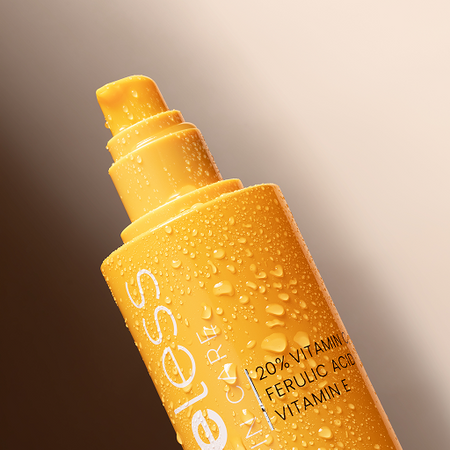
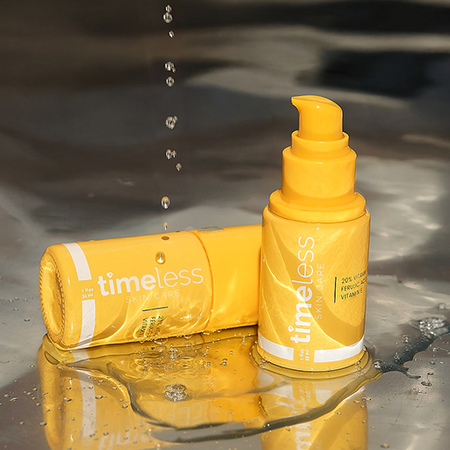
After cleansing, an antioxidant serum fits perfectly into your morning regimen. Applying an antioxidant helps defend against oxidative stress caused by environmental factors such as UV exposure and pollution. Vitamin C is a popular daytime choice. For an option in this category, you might consider the 20% Vitamin C + E Ferulic Acid Serum. Vitamin C helps brighten the look of dullness and uneven tone. Morning use of vitamin C is widely favored, though it should always be paired with a broad-spectrum sunscreen. Vitamin C supports the skin's antioxidant defenses.
Eye creams are formulated for the thinner skin around the eye area. Applying this step before your primary face cream ensures that the delicate eye contour receives its targeted texture without interference from heavier facial lotions. For this category, Timeless Skin Care offers the Dark Circle Peptide Complex Eye Cream.
Moisturizer follows next. A quality moisturizer helps reduce transepidermal water loss (TEWL), the water that evaporates from the skin's surface.
The final morning step must always be sunscreen. Sunscreen forms a protective surface barrier against ultraviolet radiation. Applying another skincare product over your sunscreen can dilute the formula and compromise UV coverage.
Key Takeaway: Never layer moisturizers, facial oils, or serums on top of your daytime sunscreen. Sunscreen needs to form an undisturbed film on the outer skin to provide rated UV protection.
Step-by-Step Evening Skincare Sequence
Nighttime is when you clear away the accumulated grime, makeup, and sunscreen of the day. Evening routines also provide an opportunity to introduce richer textures or targeted nighttime ingredients that you may not wish to wear underneath daytime makeup or sunscreen.
Follow this standard order of skincare steps at night:
- Remove makeup and surface impurities with a cleansing oil, balm, or micellar liquid.
- Follow with a gentle water-based cleanser to thoroughly wash the skin.
- Mist or pat on a hydrating toner or liquid preparation.
- Apply your water-based active serums or peptide treatments.
- Apply a targeted eye treatment.
- Smooth on your evening moisturizer.
- Optional: Press two to three drops of face oil over dry zones as a finishing touch.
Double cleansing is especially helpful in the evening. An oil-based first cleanser dissolves water-resistant sunscreen filters and long-wearing cosmetics. The subsequent water-based cleanser clears away water-soluble residue and sweat.
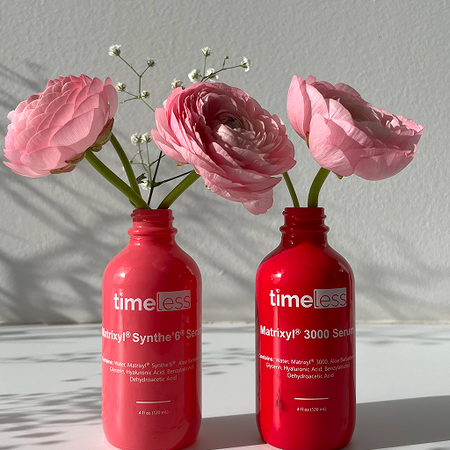
After your skin is clean and slightly damp from toning, targeted treatment serums take priority. Humectant serums containing hyaluronic acid fit seamlessly here. Hyaluronic acid is a humectant that helps attract, bind, and retain water in the outer layers of the skin. Sodium hyaluronate is the sodium salt of hyaluronic acid, and hydrolyzed hyaluronic acid represents hyaluronic acid broken into smaller fragments that may penetrate slightly further into the outer layers of the skin.
If you choose to use an antioxidant serum at night, CoQ10 is one cosmetic option. In the antioxidant category, Timeless Skin Care provides the Coenzyme Q10 Serum. CoQ10 provides antioxidant support as the skin's natural CoQ10 levels decline with age. It also helps improve the appearance of fine lines and supports firmer-looking skin. If you have vitiligo, check with your dermatologist before using a CoQ10 product.
Finally, an evening moisturizer helps support hydration in the upper layers of the epidermis while you sleep. If your skin feels dry, adding a facial oil over your cream can provide additional emollience.
How to Layer Multiple Serums and Active Ingredients
Many skincare enthusiasts use more than one serum in a single routine. Layering multiple treatments requires attention to both consistency and ingredient compatibility.
Sorting Multiple Serums by Texture
When dealing with two or three serums, apply the thinnest, most watery texture first. Allow it thirty to sixty seconds to settle before applying a slightly thicker, gel-like or viscous serum. For instance, a light, acidic liquid should precede a thicker hyaluronic acid gel.
Managing Ingredient Types
Some cosmetic ingredients can be used together, while others require careful spacing:
- Peptides and Humectants: Peptides may help support the appearance of firmness. Ingredients like palmitoyl tripeptide-1, palmitoyl tetrapeptide-7, and palmitoyl tripeptide-38 layer comfortably alongside humectants. Hyaluronic acid helps improve the appearance of dehydration lines.
- Vitamin B5: Vitamin B5 supports the skin barrier and helps the skin retain moisture. It also helps the skin feel more comfortable. Calcium pantothenate is a stable form of vitamin B5 frequently used in modern cosmetic skincare.
- Direct Acids and Strong Actives: Concentrated exfoliating acids can increase the likelihood of cosmetic flushing when combined in large quantities. If you use multiple potent ingredients, consider alternating them between morning and evening, or rotating them across different days of the week.
Individual reactions vary, and anyone with a known sensitivity or diagnosed skin condition should check with their dermatologist before combining several active concentrates.
Setting Realistic Expectations for Your Skincare Routine
Establishing the proper order of skincare steps creates the ideal foundation for healthy-looking skin, but cosmetic progress generally requires time and consistency.
Cosmetic improvements in texture, radiance, and hydration happen gradually. Humectants can provide surface hydration that softens the look of dehydration lines. Improvements in the look of tone, firmness, and fine lines may develop gradually with consistent use.
Factors influencing your cosmetic results include:
- Daily consistency with your selected routine.
- Diligent use of daily broad-spectrum sun protection.
- Environmental exposure, seasonal humidity, and ambient temperature.
- Unique skin barrier characteristics and genetics.
Commit to your chosen sequence consistently before evaluating whether a specific product combination meets your cosmetic expectations.
Frequently Asked Questions
What is the most important step in any daytime skincare routine?
The most critical step in any morning skincare routine is applying a broad-spectrum sunscreen with an SPF rating of 30 or higher. Sunscreen forms a protective surface barrier that defends against ultraviolet radiation. Skipping this final step leaves the skin vulnerable to environmental stress and UV exposure, which can diminish the visible benefits of your other skincare products.
How long should I wait between applying different skincare layers?
In most cases, you do not need to wait extended periods between steps. Waiting roughly thirty to sixty seconds allows each layer to settle on the skin surface so that the next product glides on smoothly without pilling. Sunscreen should be allowed to set for a few minutes before applying makeup.
Can I apply my facial moisturizer before my eye cream?
While applying moisturizer first will not harm your skin, a common layering approach is to apply eye cream before facial moisturizer. Applying your eye cream first keeps the layering order consistent with lighter textures before heavier facial moisturizer.
Do I need to follow a complex ten-step routine to see results?
No, a complex routine is not necessary for maintaining healthy-looking skin. A simple, consistent routine built around three essential steps, cleansing, moisturizing, and applying daily broad-spectrum sunscreen, provides a core foundation for many routines. Targeted treatments like toners, peptide serums, and facial oils can be added gradually based on your specific cosmetic goals.