Introduction
Reading a cosmetic label can feel like deciphering an entirely different language. Between the long chemical names and complex packaging claims, figuring out what is actually inside a bottle is often frustrating. If you have ever flipped a bottle over and wondered whether ingredients are listed in order of amount in skincare, the short answer is generally yes, but with major legal exceptions.
Cosmetic regulations in the United States generally require brands to list ingredients in descending order of weight. However, this rule only applies down to a specific concentration point. Understanding how ingredient lists work helps you look past clever marketing and choose formulas for your routine.
Quick Answer: Skincare ingredients are listed in descending order by weight until they reach a concentration of 1%. Anything present at 1% or less can be listed in any order the brand chooses.
The Standard Rule: Descending Order of Predominance
Skincare packaging in the United States follows formatting rules enforced by the Food and Drug Administration (FDA), using standardized International Nomenclature of Cosmetic Ingredients (INCI) names. Under these guidelines, brands must list components starting with the highest concentration by weight down to the lowest.
The base of a formula occupies the top of the list. In water-based serums, creams, and cleansers, water, listed as Aqua or Water, is almost always the first ingredient. Bases commonly make up 70% to 90% of a finished cosmetic product. The next few items typically establish the texture, viscosity, and vehicle of the product.
Standard cosmetic ingredient lists must also use standardized INCI names rather than marketing terms or trade names. For example, our ingredient glossary provides additional navigation for understanding ingredient terminology.
- Hyaluronic acid appears as Sodium Hyaluronate or Hydrolyzed Hyaluronic Acid depending on the form used.
- Vitamin C appears under names such as Ascorbic Acid or Tetrahexyldecyl Ascorbate.
- Coenzyme Q10 is listed formally as Ubiquinone.
- Vitamin E is identified as Tocopherol or Tocopheryl Acetate.
| Component Placement | Typical Percentage Range | Common Roles in Formula |
|---|---|---|
| First 1 to 3 Ingredients | 70% to 90% | Solvents, primary carrier bases such as water and aloe |
| Next 3 to 6 Ingredients | 2% to 10% | Secondary solvents, primary active ingredients, key humectants, emulsifiers |
| Lower Ingredients (above 1%) | 1% to 5% | Functional texturizers, stabilizers, targeted performance actives |
| The 1% Line and Below | 0.01% to 1% | Preservatives, colorants, thickeners, low-dose actives, fragrance components |


The 1% Line and How It Changes the List
The strictest requirement of descending order ends at the “1% line.” Once an ingredient makes up 1% or less of the total formula weight, regulations allow the manufacturer to list remaining ingredients in any order they prefer.
This flexibility creates opportunities for brands to adjust their packaging layout. A manufacturer might move an attractive plant extract or peptide blend higher up in the sub-1% block, pushing preservatives and stabilizers toward the very end. While entirely legal, this practice can make a formula look like it contains more of a trending ingredient than it actually does.
How to Spot the 1% Threshold
You can often estimate where the 1% boundary begins by looking for standard preservatives, thickeners, and adjusting agents. Formulators use these compounds within strict percentage limits:
- Phenoxyethanol: Typically capped at a maximum of 1.0% in finished cosmetics.
- Xanthan Gum: Often incorporated between 0.1% and 0.5% to adjust viscosity.
- Disodium EDTA: Generally used at 0.05% to 0.2% as a chelating agent.
- Ethylhexylglycerin: Frequently formulated at 0.2% to 0.8% alongside other preservatives.
When you spot phenoxyethanol or a similar preservative on a label, most ingredients listed after it are generally present at 1% or less.
Why Placement Does Not Always Equal Performance
It is common to assume that an ingredient near the bottom of a list is too weak to matter, but that assumption does not reflect how cosmetic chemistry works. Different active ingredients have different typical usage levels.
Key Takeaway: Placement on an ingredient label does not automatically dictate effectiveness. Many performance ingredients can be useful at low levels, while others appear higher on the list.
Ingredients Effective at Low Percentages
Certain active ingredients do not need high concentrations to deliver visible cosmetic changes. In some cases, formulating them at higher amounts may cause unnecessary skin discomfort without adding benefits.
- Peptides: Ingredients like Matrixyl Synthe'6, or Palmitoyl Tripeptide-38, may help support the appearance of firmness.
- Retinol: Cosmetic retinoids are frequently used at 0.05% to 0.3%, which naturally places them within the sub-1% section of a label.
- Antioxidants: Coenzyme Q10 provides antioxidant support as the skin's natural CoQ10 levels decline with age. It supports firmer-looking skin.
Ingredients Commonly Seen Higher on a List
Some ingredients may appear higher on the label because they are used in larger amounts.
- Humectants: Glycerin and specific humectant blends often appear in the top five ingredients. For surface hydration, hyaluronic acid helps attract, bind, and retain water in the outer layers of the skin.
- L-Ascorbic Acid: L-ascorbic acid is the most researched form of vitamin C. It helps brighten the look of dullness and uneven tone.
- Barrier Support Ingredient: Calcium pantothenate, or vitamin B5, supports the skin barrier and helps the skin retain moisture.
Exceptions to Standard Cosmetic Labeling
Not all personal care products follow cosmetic INCI labeling rules. Depending on regional laws and product classifications, you may encounter different formats.
Over-the-Counter (OTC) Drugs in the United States
In the US, products that make specific therapeutic claims, such as sunscreens and acne treatments, are regulated by the FDA as over-the-counter drugs.
OTC drug packaging features a standardized “Drug Facts” box. This format separates the formula into two distinct groups:
- Active Ingredients: Listed at the top with their exact percentage, for example, Zinc Oxide 12% or Salicylic Acid 2%.
- Inactive Ingredients: Listed beneath the active section in standard descending order down to the 1% line.
Regional Differences
Ingredient formatting can vary internationally. For instance, some Asian regulatory markets handle plant extracts, solvent mixtures, and carrier solutions under different reporting guidelines than the US or European Union. A botanical extract dissolved in a water base might appear higher on an international label than on a standardized US INCI label.
How to Read a Label for Your Daily Routine
Decoding an ingredient label helps you layer products sensibly and understand how your routine supports skin health. For additional guidance when building a routine, try our skincare quiz.
A balanced daily regimen focuses on pairing targeted serums with proper skin protection. Vitamin C helps defend against oxidative stress caused by environmental factors such as UV exposure and pollution. If you use vitamin C in the morning, pair it with broad-spectrum sunscreen.
When building your routine:
- Cleanse: Use a gentle cleanser to remove daily debris without stripping the outer skin layers.
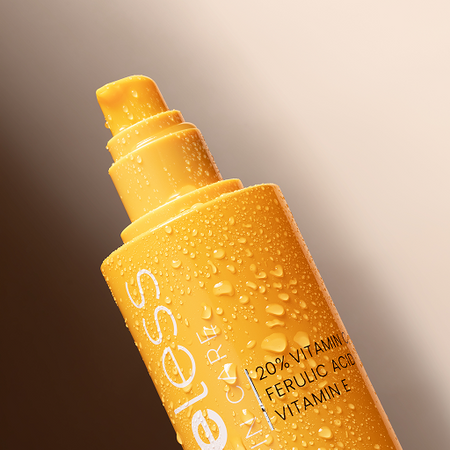
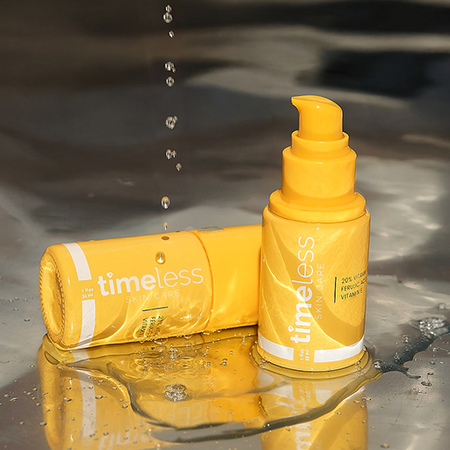
- Apply Targeted Serums: Layer your liquid and gel formulas. An example of a vitamin C serum is 20% Vitamin C + E Ferulic Acid Serum.
- Choose a Lower Concentration Option: Another vitamin C serum is 10% Vitamin C + E Ferulic Acid Serum.
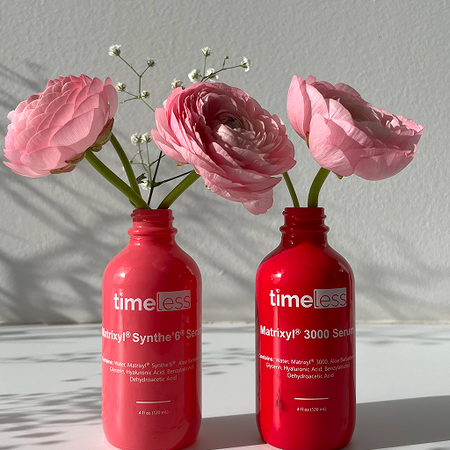
- Add a Peptide Serum: An example of a peptide serum is Matrixyl® Synthe'6® Serum.
- Moisturize: Use a facial lotion or cream. A moisturizer helps reduce transepidermal water loss (TEWL), the water that evaporates from the skin's surface.
- Sun Protection: Finish every morning routine with a broad-spectrum sunscreen. Daily broad-spectrum sunscreen is essential to protect skin from environmental damage and prevent premature aging.
Individual reactions to cosmetic ingredients vary. Anyone with a known sensitivity or diagnosed skin condition should check with their dermatologist before introducing new active formulas.
If you have vitiligo, check with your dermatologist before using a CoQ10 product.
Managing Expectations with Ingredient Labels
While reading ingredient labels empowers you as a consumer, it is worth remembering that a list of names cannot reveal the entire story of a formula. Labeling regulations do not disclose the raw material grade, the exact pH of the formula, the encapsulation technology, or the processing methods used during manufacturing.
Visible cosmetic results can vary with consistent use. Changes in skin texture, tone clarity, and the appearance of fine lines may happen gradually rather than overnight. A product with a shorter, focused ingredient deck often makes it easier to track what works for your personal routine, allowing you to tailor your regimen. The DIY Build Your Kit collection can provide additional navigation for tailoring a regimen.
Frequently Asked Questions
Are ingredients listed in order of amount in all skincare products?
In standard cosmetics, ingredients are listed in descending order by weight down to the 1% concentration mark. Ingredients present at a concentration of 1% or less may be listed in any order. Over-the-counter drug products, such as sunscreens, separate active ingredients with exact percentages from inactive ingredients.
Why is water usually the first ingredient on a skincare label?
Water acts as the primary solvent and carrier vehicle for water-soluble active ingredients, humectants, and texturizers. It generally accounts for 70% to 90% of liquid lotions, creams, and serums, which is why it sits at the very top of most INCI lists.
Does an ingredient listed near the bottom mean it is ineffective?
No. Many active ingredients, such as peptides, specific antioxidants, and retinoids, are formulated at levels below 1% because they can perform well at low concentrations. Higher amounts may be unnecessary and can increase the chance of skin irritation.
How can I tell where the 1% line is on an ingredient list?
You can identify the approximate 1% line by looking for standard cosmetic preservatives and thickeners like phenoxyethanol, xanthan gum, or ethylhexylglycerin. Formulators typically use these ingredients at concentrations of 1% or less, so items listed after them are generally in the lower-concentration portion of the list.